
REVIEW · WALKING TOURS
Myth and Legends Oslo Walking Tour
Dark stories make Oslo memorable. This two-hour private walk links Norse gods, ghostly tales, old battles, and central Oslo landmarks in one compact route. I especially like the chance to see a less familiar side of Akershus Fortress, and I like that the walk covers the old district of Kvadraturen before ending along Karl Johan. One thing to consider: the $304 price is for the whole group, so it offers much better value for a larger party than for one or two people.
The guides, including Maria and Marija, have earned praise for clear storytelling, strong knowledge of Oslo’s past, and an engaging style. The tour is not built around chasing actual ghosts, but the stories of trolls, ghost horses, Norse gods, and bloody conflict can give the city a suitably eerie edge. Children under 12 cannot join, so this suits adults and older teenagers best.
In This Review
- Key points to know before you book
- Starting beside Oslo City Hall
- Inside the old world of Akershus Fortress
- Kvadraturen and Oslo’s oldest planned streets
- Finishing on Karl Johan
- What the guides add to the experience
- Is $304 a fair price for a private Oslo walk?
- Who will enjoy this tour most?
- What to bring and how to plan your time
- Should you book the Myth and Legends Oslo Walking Tour?
- FAQ
- How long is the Myth and Legends Oslo Walking Tour?
- Where does the tour begin?
- Can I get picked up from my hotel?
- What language is the tour in?
- Is this a private tour?
- How much does the tour cost?
- Does the price include transport or meals?
- Is the tour wheelchair accessible?
- Can children join the tour?
Key points to know before you book
- Akershus Fortress gets the darker treatment: You explore the old royal stronghold through stories of battles, power, and unsettling events.
- The route covers Oslo’s historic core: Begin at City Hall, continue through the fortress and Kvadraturen, and finish on Karl Johan.
- Norse mythology shapes the tour: The guide explains how gods and goddesses influenced the names, ideas, and design behind parts of Oslo.
- It is a private group walk: The $304 rate covers up to 16 people, making it more attractive for families of adults, friends, or organized groups.
- The storytelling is the main attraction: Maria and Marija have been praised for making history entertaining, personal, and easy to follow.
- Bring proper walking shoes: The experience lasts two hours, and transport and meals are not included.
Starting beside Oslo City Hall
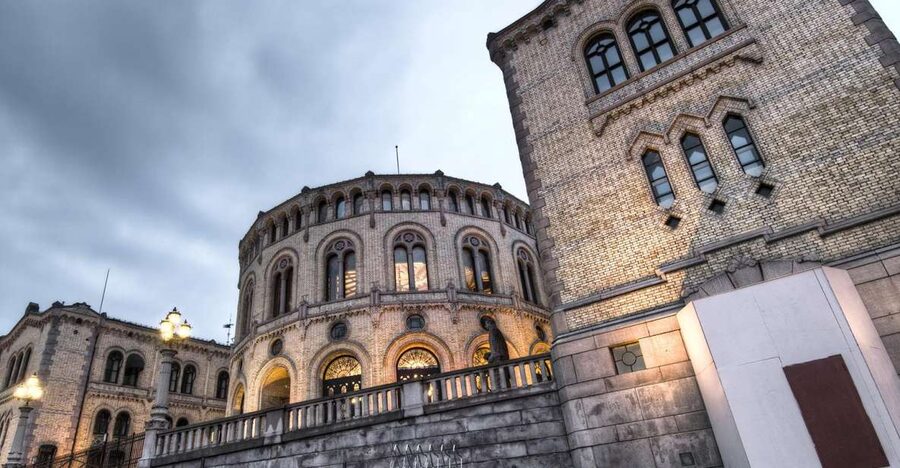
You meet at the Swan fountain by the entrance to Oslo City Hall. This is a practical starting point in the center of Oslo, and the tour can also include pickup from any downtown hotel.
Beginning at City Hall gives the guide a useful place to set the scene. Oslo is more than 1,000 years old, and the walk uses that long timeline to connect modern streets with Viking-era beliefs, royal power, war, and city building.
I like this kind of opening because you get your bearings before the stories become more dramatic. You are not whisked out to a distant site and left to work out where you are. The route stays in the central part of the capital, where several major sights can be reached on foot.
The opening section also prepares you for the tour’s unusual angle. This is not simply a standard sightseeing walk that lists dates and buildings. The guide looks at the myths and darker tales attached to Oslo, then connects them to the places around you.
That approach works best if you enjoy history with atmosphere. If you prefer a strict architectural tour or a detailed political history, you may find the legends take up more space than the facts. For most visitors, though, the stories should make the central streets easier to remember.
More Walking Tours in Oslo
- Oslo: Best of Oslo Walking Tour
★ 4.5 · 458 reviews - Oslo: Guided Walking Tour of Central Oslo
★ 4.7 · 438 reviews - Oslo: Historic Myths & Legends Evening Walking Tour
★ 4.8 · 408 reviews
Inside the old world of Akershus Fortress
Akershus Fortress is the main event. The walk takes you around this old royal fortress and focuses on parts of its past that can be missed on a normal city stroll.
The fortress is important not only because of its age, but because it represents Oslo’s long struggle with royal authority, military threats, and neighboring powers. The stories here range from Viking-era beliefs to bloody battles between countries. Your guide brings those themes together through the buildings, squares, and passages you see along the way.
The phrase hidden part should be understood as a different way of seeing the fortress rather than a promise of a private underground expedition. The supplied details do not specify exactly which restricted or lesser-known spaces are entered. You should expect a guided look at the fortress’s less obvious stories and corners, rather than assume every part of the complex is open.
That distinction matters. A good guide can make a familiar monument feel new without needing access to every room. Maria and Marija have been praised for telling these stories in a warm, engaging way, which is especially useful at a large site where the details can otherwise blur together.
The atmosphere is one of the strongest reasons to choose this tour. You might hear about ghost horses, trolls, and old legends alongside more grounded accounts of conflict and royal life. The guide does not present the walk as a ghost hunt, and the experience description makes that clear. Still, the mix of stone walls, old squares, and unsettling tales can make the fortress feel pleasantly spooky.
Wear comfortable shoes here. The walk lasts two hours overall, and you will get more from the fortress if you can pay attention to the guide instead of worrying about sore feet.
Kvadraturen and Oslo’s oldest planned streets
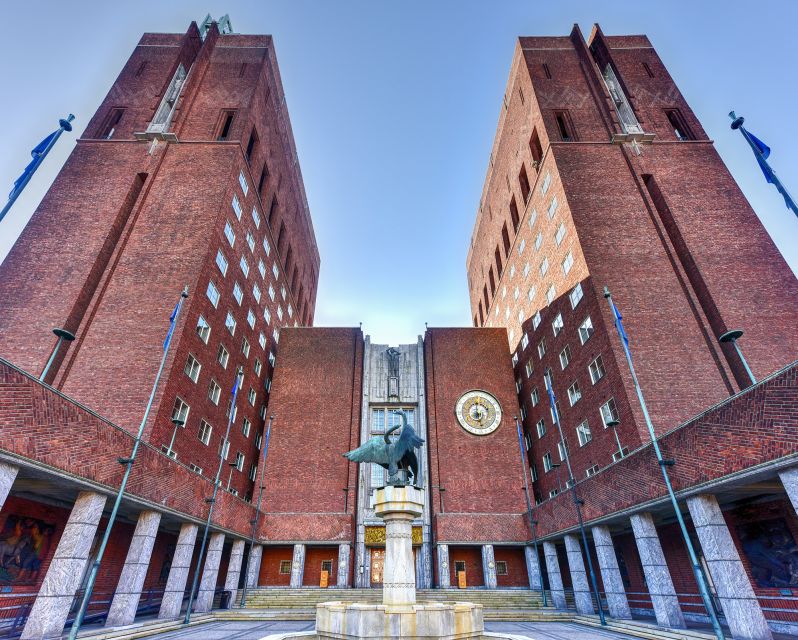
After Akershus Fortress, the route moves into Kvadraturen, the oldest part of the 17th century city. This gives the tour a different mood from the fortress.
Here, the focus shifts from strongholds and battles to the way Oslo was rebuilt and organized. The district is part of the city’s older central fabric, and the guide uses its streets and buildings to explain how beliefs, rulers, and urban design affected Oslo.
The Norse mythology angle becomes especially useful in this section. You hear how Norse gods and goddesses influenced city architects, rather than treating mythology as a separate subject from daily life. That connection helps explain why old stories continued to matter in public spaces and civic design.
I like this part because it asks you to look up and around. A normal walk through Kvadraturen can seem like a route between bigger sights. With a guide, the streets become evidence of Oslo’s past and of the ideas that shaped the capital.
The route description does not name every street or building in Kvadraturen, so you should not expect a stop-by-stop architectural lecture. Instead, the value comes from the guide’s interpretation of the district as a whole. If you enjoy learning why a city looks the way it does, this section may be more rewarding than a simple list of landmarks.
Finishing on Karl Johan
The final stretch follows Karl Johan, Oslo’s main street. By this point, the walk moves from older fortifications and the 17th century city into the grand civic center of the Norwegian capital.
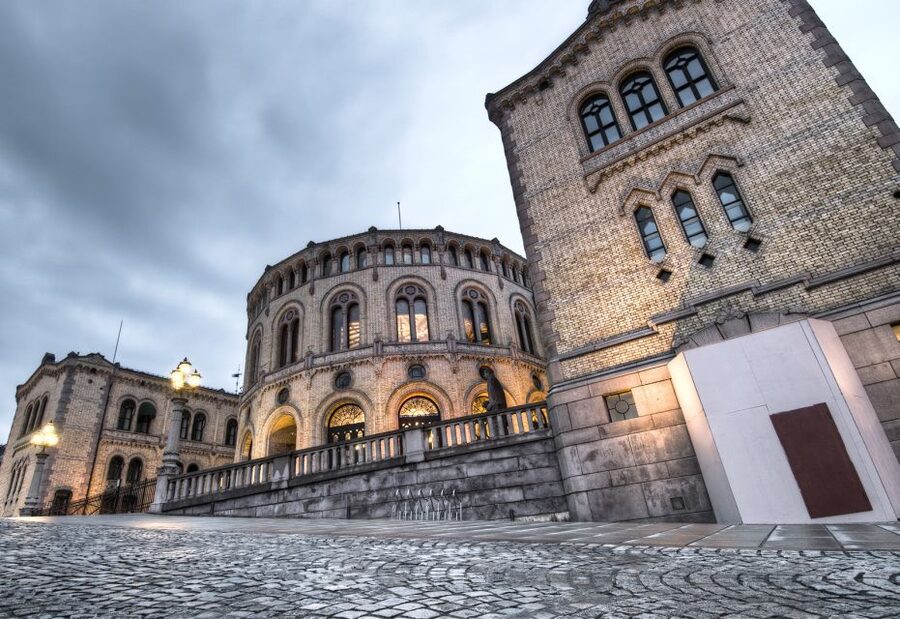
You will see the Parliament, the National Theater, the University, the Royal Palace, and the Grand Café. These are major sights, but the tour’s myth-and-legend theme keeps them from feeling like a checklist.
The old Royal Palace is described as a recognizable symbol of Oslo, and the guide uses the city’s royal past to add weight to the final section. The Parliament and University bring in the civic and intellectual sides of the capital, while the National Theater and Grand Café add cultural and social context.
This ending is practical as well as scenic. You finish near several central landmarks rather than at an isolated site. If you are planning the rest of your day around central Oslo, the final location can make it easy to continue sightseeing on foot.
The drawback is that the tour covers a lot in only two hours. City Hall, Akershus Fortress, Kvadraturen, and Karl Johan could each support a longer visit. You will receive an overview with selected stories, not a full interior tour of every landmark.
That is a fair trade for many visitors. The walk gives you a strong introduction, then you can return to the places that catch your interest. I would not book it expecting extended time inside the Parliament, National Theater, University, or Royal Palace. The supplied details describe seeing these sights from the route, not entering them.
A completely different kind of day:
- Oslo: Scenic Fjord Cruise with Audio Guide Commentary
★ 4.5 · 5,375 reviews - Oslo Nature Walks: Island Hopping Tour
★ 4.8 · 2,713 reviews - Oslo: 100% Electric Oslofjord Sightseeing Cruise
★ 4.4 · 2,041 reviews - Oslo: Fjord Evening Cruise with Shrimp Buffet
★ 4.5 · 1,956 reviews
What the guides add to the experience
The guide is crucial here. The streets and buildings are accessible on your own, but the myths, legends, and connections between them are what you are paying for.
Maria has received praise for being personable and for combining history, myths, and current cultural points. Marija has also been praised for explaining Norse mythology, trolls, and ghost horses in a captivating way. The names appear in feedback as Maria and Marija, so your guide may depend on the date and assignment.
That personal style matters on a story-based walk. A dry lecture would weaken the experience, especially when the material includes both mythology and disturbing events. The strongest part of the tour is likely to be the way the guide turns a building or square into a setting for a larger story.
You should also keep your expectations sensible. The guide can interpret the legends, but the tour is not advertised as a paranormal investigation. The note about not chasing ghosts is a useful warning and a bit of humor. You may get a spooky feeling, but there is no promise of supernatural proof.
The experience is in English, and the guide is described as an expert English-speaking guide. That makes it a good choice if you want a story-led introduction without needing to read long explanations on your own.
Is $304 a fair price for a private Oslo walk?
The price is $304 per group of up to 16 people. That is not cheap for a two-hour walking tour, but the group pricing changes the calculation.
If 16 people share the cost, it works out to $19 per person. At eight people, it is $38 each. For two people, it becomes $152 per person, which is a much harder price to justify for a short walk.
I see the best value for a group of friends, an adult family group, or a private organized party. A private tour can also be useful if you want the guide’s attention and the freedom of a group that already knows each other. The supplied information does not promise a customized route, so you should not assume the itinerary can be heavily altered.
The price includes the English-speaking guide, downtown hotel pickup, and taxes. It does not include meals or transport. Since this is a walking tour through central Oslo, the lack of transport is not a major problem, but you should budget for getting to the meeting point if your hotel is outside the downtown pickup area.
For a solo visitor or couple, I would compare the cost with other private city walks before booking. For a larger group, the fixed price becomes much more reasonable.
Who will enjoy this tour most?
I would choose this walk if you like history that comes with a little drama. The tour should suit adults who enjoy Norse mythology, old battles, royal stories, architecture, and the darker side of city history.
It is also a good fit if you have only a short time in Oslo. In two hours, you see the central sights and learn how they connect. You will not know everything about the city afterward, but you will have a useful framework for exploring further.
The tour suits first-time visitors especially well because it begins at City Hall, visits Akershus Fortress, crosses Kvadraturen, and finishes on Karl Johan. Those are central areas, so you can use the walk to get familiar with Oslo’s layout.
Children under 12 are not permitted. Older children and teenagers may enjoy the legends, but the content includes horrifying stories and bloody battles, so parents should decide based on the child’s interest and comfort.
The walk is wheelchair accessible according to the activity details. You should still confirm any specific route needs when booking, since the exact access conditions around an old fortress are not explained.
What to bring and how to plan your time
Bring comfortable shoes. That is the only listed item, but it is the right advice for a two-hour walk covering several central districts.
Plan to arrive at the Swan fountain by Oslo City Hall. You can also request pickup from any downtown hotel, which may make the start easier if you are staying in the central area.
No meal is included, so do not expect a café stop as part of the tour, even though the route finishes near the Grand Café. You can plan lunch, coffee, or another attraction after the walk.
The tour offers free cancellation up to 24 hours before the start and allows you to reserve now and pay later. Those terms are useful if you are arranging an Oslo itinerary around changing weather or transport plans.
The overall rating is 4.7 from 20 ratings. Most of the available feedback praises the guides, the storytelling, and the way the tour combines city history with myths. One booking had a no-show guide, but the customer received help with a refund from the support team and tour company. I would treat that as an operational warning rather than a reason to dismiss the experience, but it is worth keeping in mind.
Should you book the Myth and Legends Oslo Walking Tour?
Book it if you want a private, English-language introduction to central Oslo with more atmosphere than a standard sightseeing walk. The best reasons are the Akershus Fortress stories, the Norse mythology connections, and guides such as Maria or Marija, who have been praised for making the material clear and entertaining.
I would skip it if you want long interior visits, a serious architectural study, or a paranormal investigation. The route is brisk, and the legends are a storytelling lens rather than proof of ghosts.
For a group of six or more, the fixed $304 price can be good value. For one or two people, it is expensive unless the private format and focused storytelling matter a great deal to you. If that price works for your party, this is a memorable way to meet Oslo through its old walls, royal symbols, civic streets, and unsettling tales.
FAQ
How long is the Myth and Legends Oslo Walking Tour?
The tour lasts two hours.
Where does the tour begin?
It begins at the Swan fountain at the entrance to Oslo City Hall.
Can I get picked up from my hotel?
Pickup is available from any downtown hotel.
What language is the tour in?
The tour is conducted in English by a live English-speaking guide.
Is this a private tour?
Yes. It is a private group experience for up to 16 people.
How much does the tour cost?
The price is $304 per group of up to 16 people.
Does the price include transport or meals?
No. Transport and meals are not included. Taxes and the English-speaking guide are included.
Is the tour wheelchair accessible?
Yes, the activity information describes it as wheelchair accessible.
Can children join the tour?
Children under 12 are not permitted to join.
Just added in Oslo
- Oslo Winter Highlights Bike Tour★ 5.0 · 36 reviews
- 4 hours Best View of the Oslofjord Winter Edition★ 4.0 · 15 reviews
- The Ultimate Study of the Human Form at Vigeland’s Sculpture Park with a Local★ 4.0 · 14 reviews
- Unknown war. Oslo and Norway during 1940-45★ 5.0 · 74 reviews
- Top of Oslo Snowshoe Tour★ 5.0 · 2 reviews
- The Scenic Roadtrip, Oslo to Bergen via Flam & the Fjords★ 5.0 · 25 reviews
- The Viking Planet Museum – Mini Group (4 adults)★ 4.0 · 16 reviews
- The Oslo Beer Adventure★ 4.5 · 11 reviews
Walking Tours, compared.

Past & Present Small Group Guided Walking Tour
Read our review →
Walking Tour in Bergen of the Past and Present
Read our review →



Browse the lists this tour appears in