
REVIEW · CRUISES & BOAT TOURS
Oslo: 100% Electric Oslofjord Sightseeing Cruise
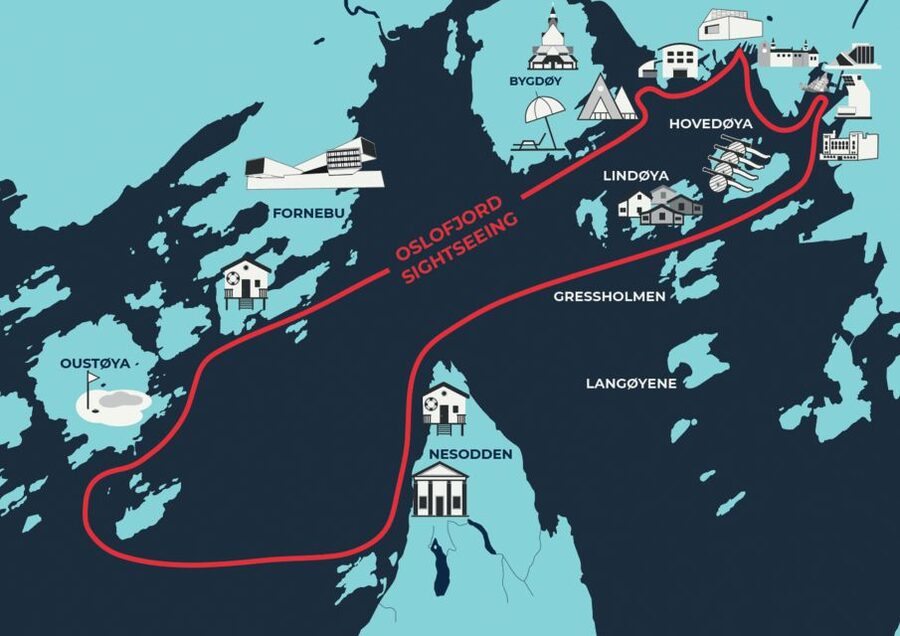
Oslo looks best from the water. This two-hour cruise gives you a calm, low-noise view of the city, passing the Opera House, Munch Museum, Akershus Fortress, City Hall, and the small islands scattered across the fjord. I especially like the quiet electric boat and the chance to see Oslo without diesel fumes or engine racket. The main drawback is that the audio commentary can be hard to hear indoors when fellow passengers are talking.
I also like the flexible Bygdøy option, which can turn a sightseeing ride into a museum outing. Just keep your expectations sensible: the cruise is a broad introduction to the fjord, not a full-day trip into Norway’s more remote fjord country. Weather matters, too, although the heated cabin, blankets, and panoramic windows make the ride workable even on a wet or cold day.
In This Review
- Key points at a glance
- Starting at Rådhusbrygge 4
- The first view: Oslo’s harbor landmarks
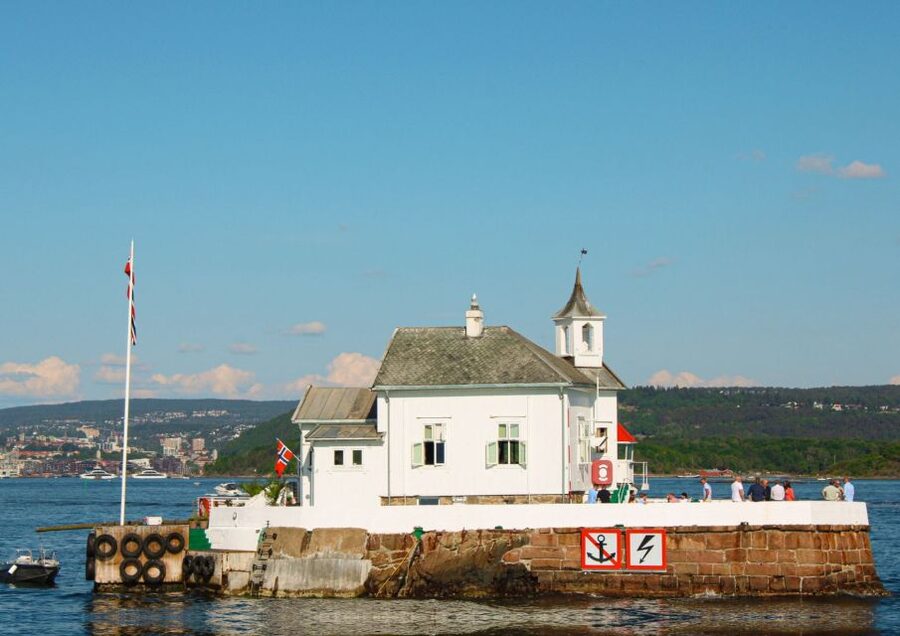
- Quiet water and Oslo’s outer islands
- Bygdøy after about 1 hour and 45 minutes
- What the onboard comfort is really worth
- The audio guide and how to get the most from it
- Weather, seating, and practical timing
- Who should book this Oslofjord cruise?
- Should you book it?
- FAQ
- Where does the Oslofjord cruise depart from?
- How long is the cruise?
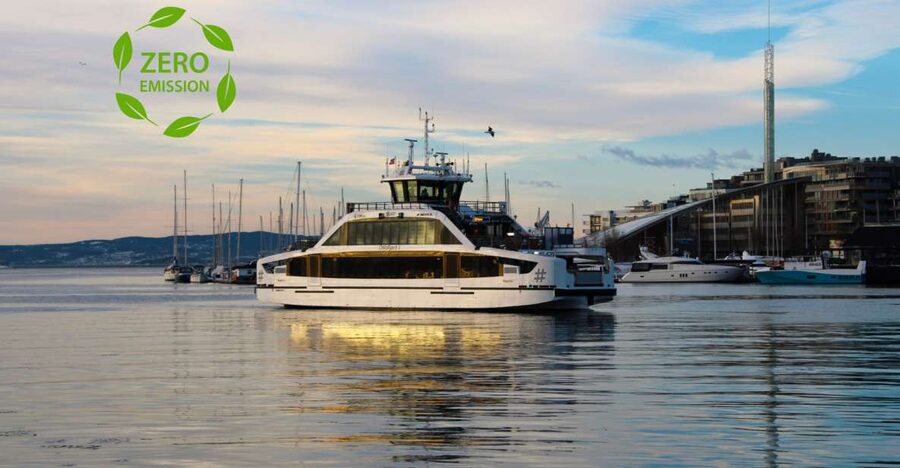
- Is the boat fully electric?
- Is an audio guide included?
- Can I get off at Bygdøy?
- Which museums can I visit on Bygdøy?
- Are food and drinks included?
- Is the cruise wheelchair accessible?
Key points at a glance
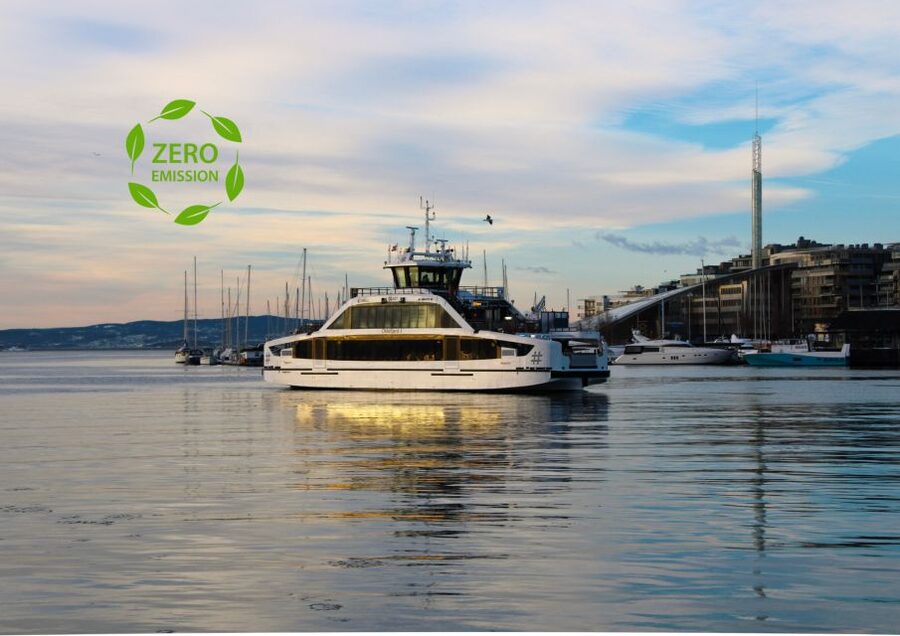
- A nearly silent electric boat: The smooth, zero-emission ride lets you hear the water and enjoy the views without the usual diesel smell.
- Oslo’s waterfront from the fjord: See the Opera House, Munch Museum, Akershus Fortress, City Hall, islands, cabins, and shoreline communities from a different angle.
- A useful two-hour length: The trip is long enough to feel substantial but short enough to fit into a busy Oslo visit.
- Bygdøy can extend the day: On some departures, you may get off after about 1 hour and 45 minutes for museums, then return later by boat.
- Good foul-weather comforts: Indoor seating, heating, air conditioning, blankets, toilets, and large windows help when the sky turns typically Norwegian.
- Strong value at $40: The price is reasonable for a two-hour cruise with an audio guide, Wi-Fi, charging ports, and the option to add a museum stop.
Starting at Rådhusbrygge 4
The cruise leaves from Rådhusbrygge 4, the City Hall pier, at platform E. The meeting point is behind the Fisketorget restaurant, near the Trollcruise sign, where a crew member gathers sightseeing passengers.
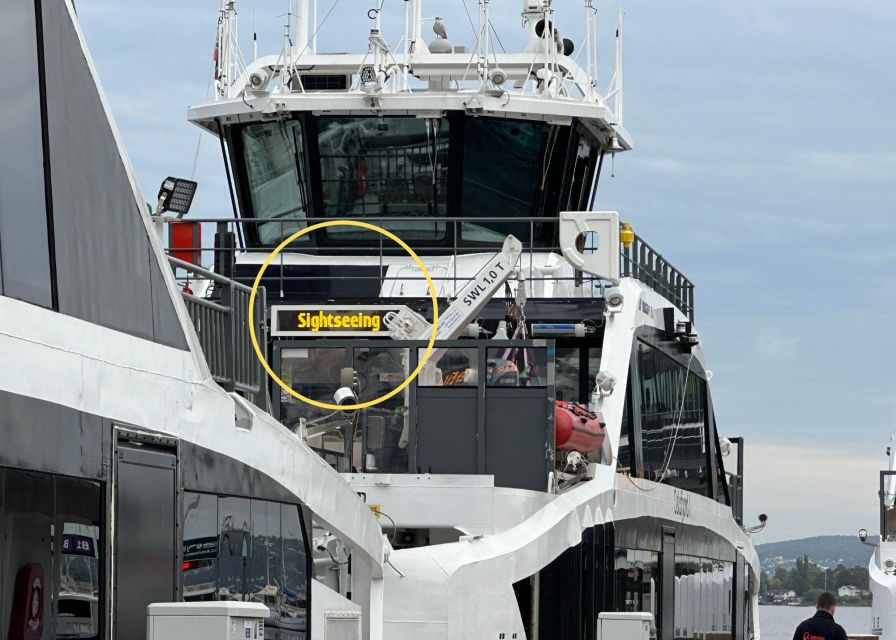
Allow a few extra minutes to find the exact boarding area. The pier has several boats and signs, and the boarding position may not look exactly like the picture or wording you first saw. One practical clue is the walkway marked for sightseeing. If you reach the harbor and feel unsure, ask the crew rather than waiting at the wrong boat.
You will find seating inside and outside. The indoor cabin is the sensible choice in rain, wind, or winter cold, while the outdoor deck gives you clearer photographs and an open view of the islands. I would arrive early if having a particular seat matters to you. The ride is relaxed, but prime window seats can go quickly.
The boat has an elevator and accessibility features for passengers with disabilities. Onboard toilets, charging ports, Wi-Fi, blankets, climate control, and family-friendly facilities make this more than a bare sightseeing ferry. Food and drinks cost extra, with snacks and hot or cold beverages available for purchase.
More boat trips in Oslo:
- Oslo: Scenic Fjord Cruise with Audio Guide Commentary
★ 4.5 · 5,375 reviews - Oslo: Fjord Evening Cruise with Shrimp Buffet
★ 4.5 · 1,956 reviews - Oslo: Guided Sightseeing Fjord Cruise on Premium Silent Boat
★ 4.7 · 1,390 reviews
The first view: Oslo’s harbor landmarks
Once the boat leaves the City Hall pier, the city begins to rearrange itself. From land, Oslo’s waterfront landmarks compete for your attention. From the fjord, they form a clean sequence along the shoreline.
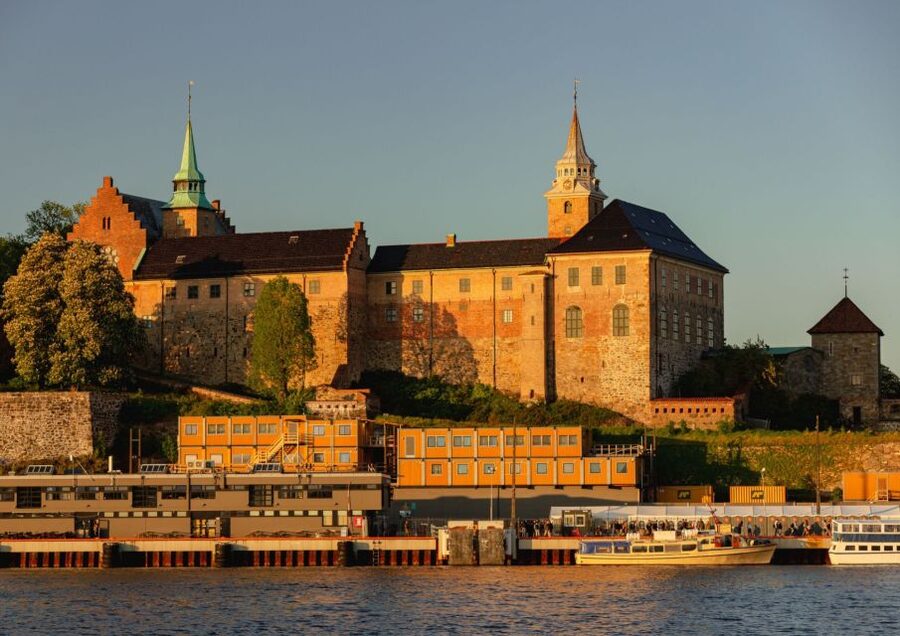
The first major sights include Oslo City Hall, with its distinctive brick exterior, and Akershus Fortress, which occupies a strategic rise beside the harbor. Seeing the fortress from the water helps explain its original purpose. It was not simply a pretty old building. Its position controlled access to Oslo’s harbor.
The Opera House is one of the most photogenic stops. Its pale, sloping roof seems to rise directly from the water, and the fjord gives you a useful view of its unusual design. The Munch Museum provides a more modern contrast, with its tall, angled profile near the waterfront.
The audio guide adds context as these sights pass by. The commentary covers Oslo’s history, geography, surrounding communities, and life along the fjord. It is not constant chatter, which I consider a benefit. The narration appears when there is something useful to point out, then leaves quiet stretches for looking.
The commentary is in English. One small weakness is the sound level inside the cabin. A few loud conversations can cover the narration, so sit near a speaker if the history matters to you. Some passengers use the interactive audio guide, which lets you revisit information you missed, but the crew does not always explain clearly how to use the app or where to find the onboard Wi-Fi.
Quiet water and Oslo’s outer islands
The city soon gives way to a wider view of the Oslofjord. This is where the electric boat earns its keep. The motor is smooth and quiet, and you do not get the strong fuel odor that can spoil an otherwise pleasant boat ride.
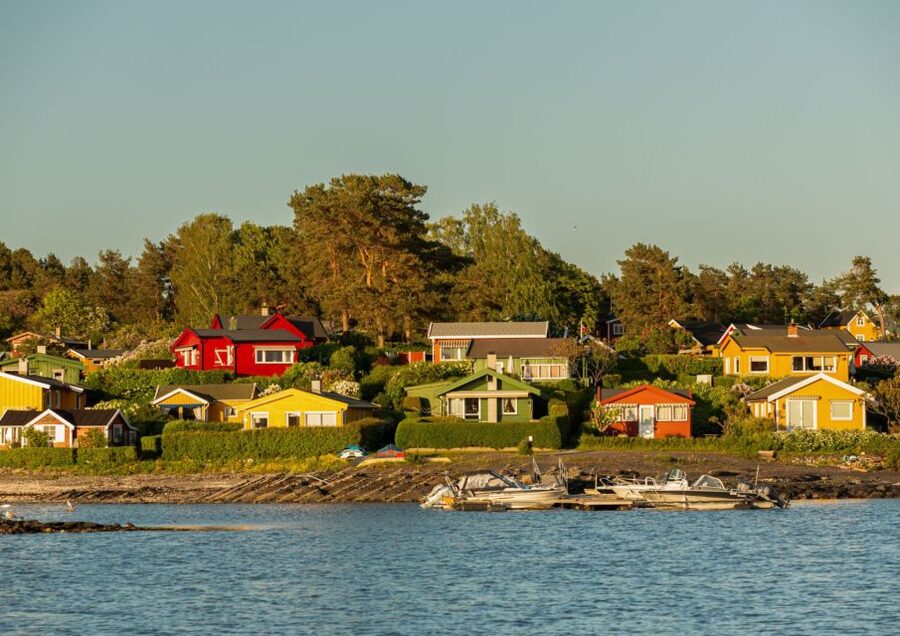
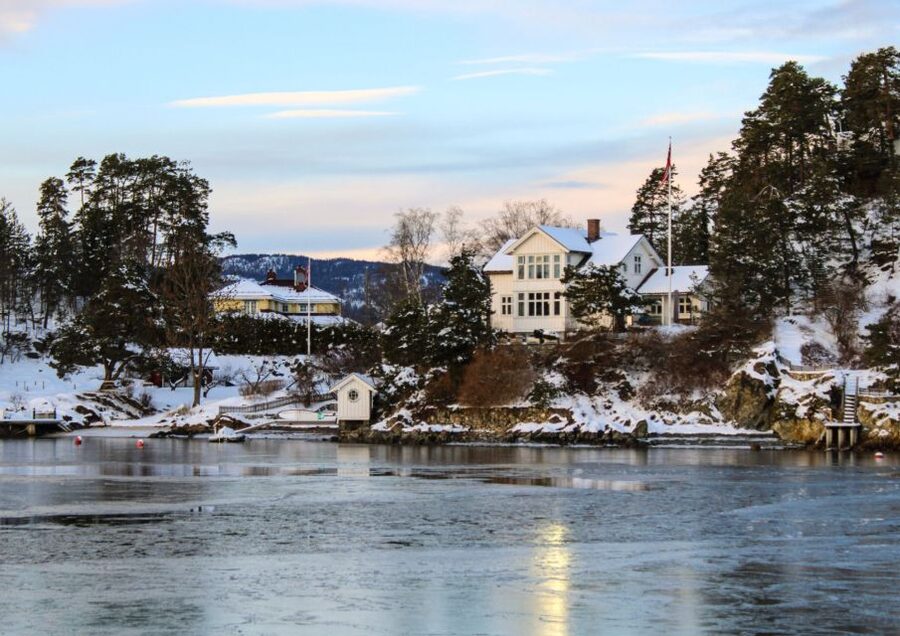
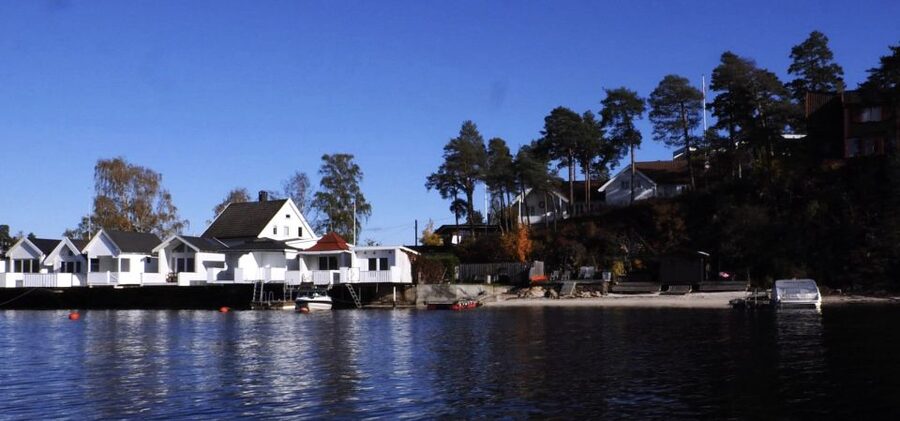
The fjord here is not the steep, dramatic setting associated with western Norway. Instead, you see low wooded islands, modest summer cabins, open water, and homes connected to Oslo by ferry. That gentler setting is part of the appeal. You are seeing the fjord as a place where people live, commute, and spend summer weekends, not only as a postcard.
The quiet also changes the pace of the trip. You can listen to the guide, take photographs, or simply watch the shoreline slide past. Several comments about the boat’s calm ride, clean interior, and lack of engine noise point to the same strength: this is a sightseeing trip designed for looking, not for speed.
Your view will depend heavily on the day. Clear weather brings sharper island outlines and brighter water. Rain and fog soften the scene, but they can also give the harbor a moody Nordic feel. Snow and ice may make the outdoor deck slippery, so warm clothing and sensible footwear are wise. Blankets are provided, but you should not treat them as a substitute for a proper coat.
Bygdøy after about 1 hour and 45 minutes
The most useful feature for museum fans is the possible stop at Bygdøy peninsula. The boat may let you disembark after about 1 hour and 45 minutes, giving you access to several major Oslo museums:
- Fram Museum: Focused on polar exploration and the famous Fram ship.
- Norwegian Maritime Museum: A natural match for a fjord cruise, with Norway’s long connection to the sea at its center.
- Kon-Tiki Museum: Dedicated to Thor Heyerdahl’s famous expeditions.
This option works best if you have enough time in Oslo to visit a museum properly. Do not treat Bygdøy as a guaranteed stop or assume every departure follows the same arrangement. Confirm with the crew before you sail if you plan to get off or need a later pickup.
Return boats to the city center are listed at 12:45 and 15:15. The timetable matters because a missed boat can leave you arranging your own way back. You can also use a hop-on hop-off bus or regular buses at your own cost, but the cruise operator advises checking the return plan with the crew first.
For a simple two-hour outing, stay aboard and return to Rådhusbrygge 4. For a museum-focused afternoon, Bygdøy adds real value. It turns the boat from a scenic loop into a practical link between central Oslo and the museum peninsula.
A few more options to weigh up in Oslo
- Oslo Nature Walks: Island Hopping Tour
★ 4.8 · 2,713 reviews - Oslo: 3-Hour Highlights Bike Tour
★ 4.8 · 1,609 reviews - Oslo: 24 or 48-Hour Hop-On Hop-Off Sightseeing Bus Ticket
★ 4.1 · 1,470 reviews - Kon-Tiki Museum Entrance Ticket
★ 4.5 · 1,096 reviews
What the onboard comfort is really worth
At $40 per person, this is not the cheapest way to move around Oslo, but it is a fair price for a two-hour guided water outing. You are paying for the boat, the route, the audio commentary, indoor and outdoor seating, and the chance to see several famous sights without arranging separate transport.
The electric propulsion is more than a marketing detail. A quiet engine means the guide is easier to follow, conversations remain comfortable, and photographs do not come with a soundtrack of diesel fumes and machinery. The boat’s climate system is especially valuable outside the mild summer months.
Indoor seats are warm and comfortable, with large windows for viewing. Outdoor space gives you better air and fewer reflections in your photos. On a cold or rainy day, you can move between the two. Blankets are available, and the boat has heating and air conditioning.
Refreshments are basic rather than café quality. Snacks, tea, coffee, and other hot or cold drinks are available for an extra charge, but supplies may be limited. One useful detail: hot drinks have been described as coming from a payment machine, and milk may not always be available. Bring a drink with you if a proper coffee break is important.
The audio guide and how to get the most from it
The guide is in English and covers the city, the fjord, historic sights, islands, and shoreline life. The amount of information is moderate, which suits a scenic ride. You get enough background to understand what you are seeing without having every minute filled with facts.
I would sit where you can hear the speakers and keep your phone ready if the interactive guide is in use. The audio system may allow you to read sections and return to an earlier sight, a useful feature if you were outside taking pictures when the commentary began.
The crew has received praise for being friendly and helpful, but the explanation of the app and Wi-Fi may be brief. Ask directly how to connect before the boat gets underway. Free Wi-Fi and charging ports are available, though you should not rely on either as your only source of information.
The quiet gaps are part of the experience. You can look out at the water instead of constantly checking a screen. That balance is one of the better features of this cruise.
Weather, seating, and practical timing
Bring warm layers in every season. Oslo’s temperature on the water can feel lower than it does on land, especially on the outdoor deck. Rain does not automatically ruin the trip because there is indoor seating, heating, blankets, and wide windows, but visibility will be less reliable.
The cruise lasts two hours, making it easy to fit between other central Oslo sights. It works well on a transit day, during a short city stay, or as a gentle break after museums and walking. The two-hour length is also a strength for families and older visitors who want fjord scenery without committing to a full-day excursion.
For the best experience, arrive early, check the actual boarding position, and decide in advance if you want Bygdøy. If the weather is clear, split your time between the outdoor deck and the cabin. If rain is heavy, claim an indoor window seat and keep your camera ready for breaks in the weather.
The boat is wheelchair accessible, and the elevator makes the different seating areas easier to reach. The outdoor deck may require extra care in winter, particularly when surfaces are wet or icy.
Who should book this Oslofjord cruise?
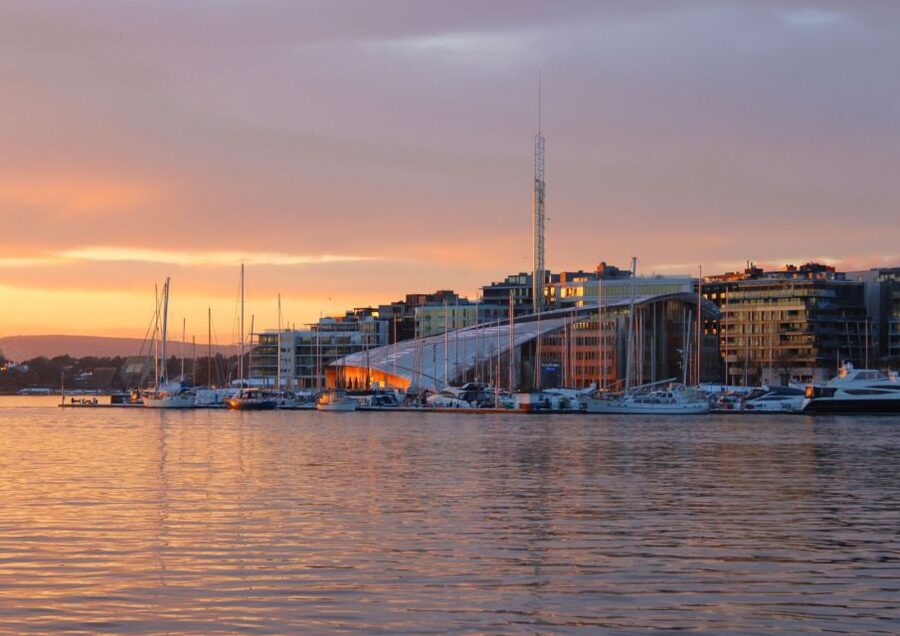
I would recommend it to first-time visitors who want a broad view of Oslo before choosing which sights deserve more time. It is also a good fit if you enjoy architecture, harbor scenery, public transport, local geography, or quiet boat rides.
Families should appreciate the short duration, toilets, seating, climate control, and the ability to move between indoor and outdoor areas. Museum lovers can use the Bygdøy option, provided they confirm the stop and return schedule before setting off.
This is less suitable if you expect towering mountains, long open-sea sailing, or a detailed tour in several languages. The commentary is in English only, and the Oslofjord scenery is calm and inhabited rather than wild and dramatic. You should also choose another activity if you need a guaranteed Bygdøy transfer at a precise time.
Should you book it?
At $40, this is a worthwhile Oslo activity for a relaxed look at the city from the water. The strongest reasons to book are the silent electric ride, comfortable cabin, good views of central landmarks, and a route that reaches the islands and Bygdøy area.
Book it if you have two free hours and want something scenic but easy. Arrive early, wear warm clothing, sit near a speaker, and confirm the Bygdøy plan with the crew. Skip it only if you are chasing dramatic western-Norway fjords or need a fully fixed museum transport schedule. For most short visits, this cruise offers a pleasant, practical view of Oslo that walking alone cannot provide.
FAQ
Where does the Oslofjord cruise depart from?
It departs from Rådhusbrygge 4, City Hall pier 4, at platform E. The meeting point is behind the Fisketorget restaurant near the Trollcruise sign.
How long is the cruise?
The sightseeing cruise lasts two hours and returns to Rådhusbrygge 4 when taken as a round trip.
Is the boat fully electric?
Yes. The boat is described as 100 percent electric and zero emission, with a quiet motor and no typical diesel odor.
Is an audio guide included?
Yes. An English audio guide is included and provides information about Oslo’s history, geography, landmarks, islands, and surrounding areas.
Can I get off at Bygdøy?
Bygdøy disembarkation is optional and may not always be available. Confirm the stop and pickup arrangements with the crew before you travel.
Which museums can I visit on Bygdøy?
The listed museums are the Fram Museum, Norwegian Maritime Museum, and Kon-Tiki Museum.
Are food and drinks included?
No. Snacks and hot or cold drinks are available to buy onboard, but they are not included in the cruise price.
Is the cruise wheelchair accessible?
Yes. The boat has accessibility features for passengers with disabilities and an elevator. It also has onboard toilets, seating, heating, air conditioning, blankets, Wi-Fi, and charging ports.
Just added in Oslo
- Oslo Winter Highlights Bike Tour★ 5.0 · 36 reviews
- 4 hours Best View of the Oslofjord Winter Edition★ 4.0 · 15 reviews
- The Ultimate Study of the Human Form at Vigeland’s Sculpture Park with a Local★ 4.0 · 14 reviews
- Unknown war. Oslo and Norway during 1940-45★ 5.0 · 74 reviews
- Top of Oslo Snowshoe Tour★ 5.0 · 2 reviews
- The Scenic Roadtrip, Oslo to Bergen via Flam & the Fjords★ 5.0 · 25 reviews
- The Viking Planet Museum – Mini Group (4 adults)★ 4.0 · 16 reviews
- The Oslo Beer Adventure★ 4.5 · 11 reviews
Cruises & Boat Tours, compared.

Scenic Fjord Cruise to Lysefjord and Preikestolen
Read our review →
Scenic Fjord Cruise with Audio Guide Commentary
Read our review →

Tromsø’s Top-Rated Fjord & Fishing Cruise – All-Inclusive
Read our review →

Arctic Fjord Cruise With Stop On Land At Fish Racks
Read our review →Browse the lists this tour appears in