
REVIEW · OSLO TOURS
Oslo Nature Walks: Island Hopping Tour
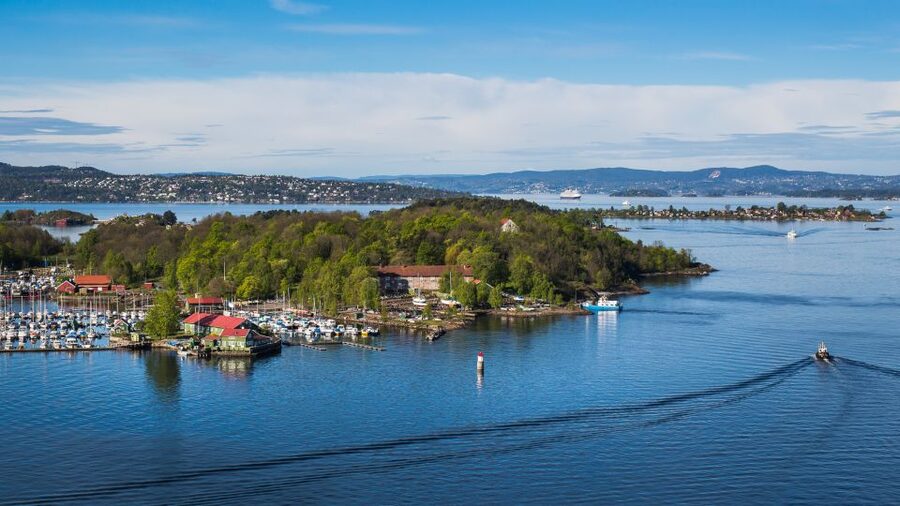
Oslo’s best escape starts at the ferry. This four-hour outing pairs public ferry rides with walks through forests, beaches, old military sites, and summer cabins scattered across the Oslo Fjord. I especially like the mix of Hovedøya’s nearly 1,000-year-old abbey ruins and Lindøya’s flower-filled village paths. The main drawback is practical: you walk about 7 kilometers over gravel, dirt, and stones, and the winter version visits only two islands.
The tour costs $69 per person, which is fair if you want local stories along with your scenery. You could take the ferry alone for less, but you would miss the historical explanations, the quiet paths, and the small details that give each island a clear character. Guides such as Shaf, Patrick, Giovanni, Neil, and Carolina have earned strong praise for being warm, funny, attentive, and generous with local tips.
In This Review
- Five things to know before you go
- Starting at Rådhusbrygge 4
- Hovedøya: monks, beaches, and old cannons
- Gressholmen: a quieter side of the fjord
- Lindøya and the charm of the cabin islands
- The ferry ride back into Oslo
- How hard is the walking?
- What the guides add
- Is $69 a fair price?
- Who will enjoy this island walk?
- Final verdict: should you book it?
- FAQ
- How long is the Oslo island-hopping tour?
- How many islands does the tour visit?
- Where does the tour begin and end?
- Are ferry tickets included?
- How much walking is involved?
- What should I bring?
- Are warm drinks provided?
- Is the tour suitable for children and wheelchair users?
Five things to know before you go
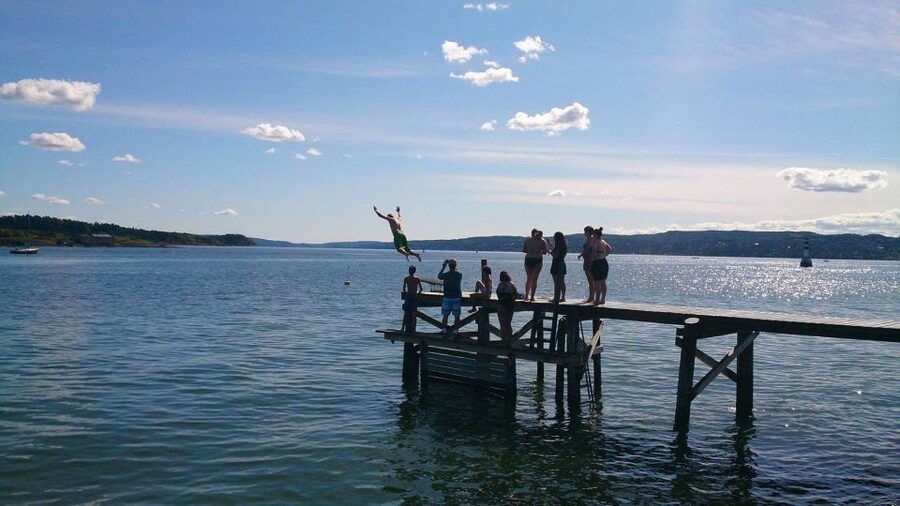
- Hovedøya combines abbey ruins, sheep pastures, beaches, and Napoleonic-era cannons in one compact stop.
- The route changes by season: April through August includes three islands and lasts about four to four and a half hours; September through March includes two islands and lasts about three and a half hours.
- Lindøya feels like a Norwegian summer postcard, with wooden cabins, gardens, village paths, and fjord viewpoints.
- You walk roughly 7 kilometers, so sturdy trail shoes matter more than fashionable city footwear.
- Winter can be cold and slippery, but guides have supplied crampons on icy days and warm drinks with gingerbread from October through March.
- The ferry rides are part of the sightseeing, giving you changing views of Oslo’s harbor, islands, hills, and waterfront landmarks.
Starting at Rådhusbrygge 4
The tour begins near the public ferry departure area at Rådhusbrygge 4, at Platform E beside the Fisketorget restaurant. Arrive 10 minutes early. This is a working ferry terminal, not a private tour dock, so the meeting point is easier to find if you look for the platform and restaurant rather than expecting a large tour bus or a special boat.
The first ferry ride takes about 10 minutes. That short crossing quickly changes the mood. Oslo’s city center recedes, and the fjord becomes the main feature. The ferry is public transport, which makes the experience feel like a normal part of local life rather than a staged cruise.
That also means you should be ready to board promptly and follow the guide closely around the pier. The ferry ticket is included, so you do not need to buy transport separately during the tour.
A few more options to weigh up in Oslo
- Oslo: Scenic Fjord Cruise with Audio Guide Commentary
★ 4.5 · 5,375 reviews - Oslo: 100% Electric Oslofjord Sightseeing Cruise
★ 4.4 · 2,041 reviews - Oslo: Fjord Evening Cruise with Shrimp Buffet
★ 4.5 · 1,956 reviews
Hovedøya: monks, beaches, and old cannons
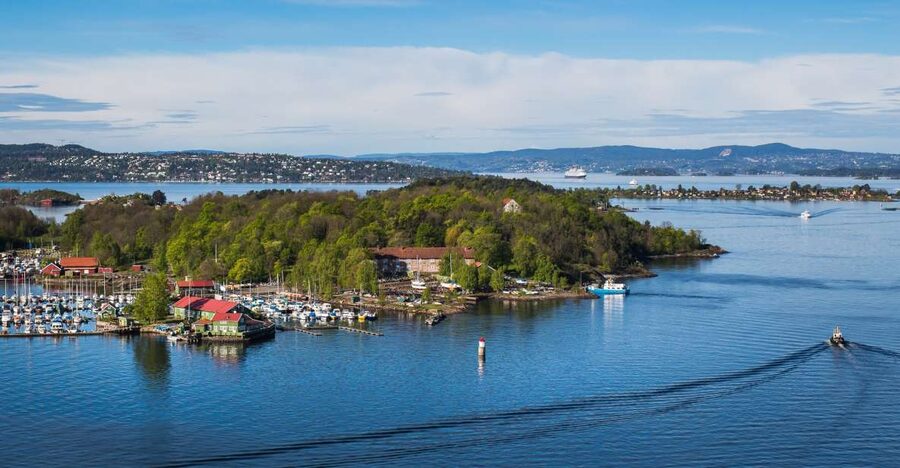
Hovedøya, meaning Main Island, is the historical heart of the trip. You spend about an hour here, walking with the guide through paths that link several very different scenes.
The island’s central attraction is the remains of a Cistercian abbey founded nearly 1,000 years ago. English monks came to medieval Oslo as Christianity took hold after the Viking period. Their abbey became an important religious and political center, and its stone ruins still show the outlines of rooms and chambers.
I like this stop because the history is tied to a real place you can walk through. You are not simply looking at a plaque or listening to a date. You can see the scale of the old building, move between its remaining walls, and hear how Norway shifted from the Viking world toward Christian Europe.
The ruins are well preserved enough to make the site readable, although this is not a full museum visit. The value comes from the guide’s explanation and the setting. Birch woods, open grass, and the sea surround the abbey, giving you a strong sense of why the island mattered.
After the ruins, the path crosses sheep pastures and birch forest. The walking is not technically difficult in good conditions, but it is uneven. Gravel, dirt, stones, and occasional slippery sections make comfortable trail shoes a smart choice. City sneakers may be fine in dry summer weather, but they are not the safest choice after rain, frost, or snow.
Hovedøya also carries military history. You pass old ramparts and cannons connected with the 19th-century Napoleonic Wars. The cannons are a good reminder that the Oslo Fjord was not only a route for merchants and monks. It was also a defensive gateway.
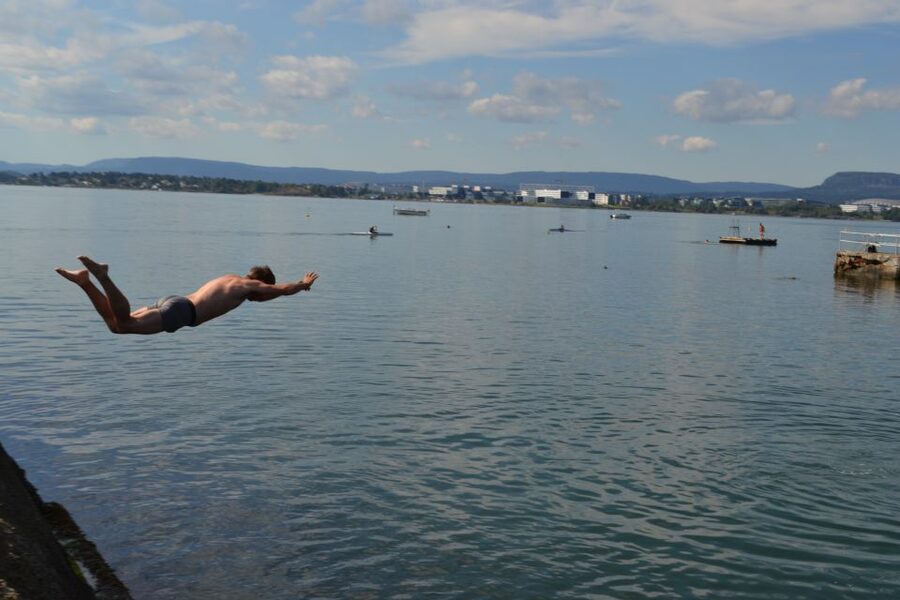
The coastline adds a lighter note. The walk includes beaches, rocky shore sections, and lookout points where you can pause for photographs. In warm weather, you may want to bring swimwear and a towel. The tour does not promise a swimming stop, but the route gives you access to beaches and time by the water.
Gressholmen: a quieter side of the fjord
A second ferry, about 10 minutes, takes you to Gressholmen. This island stop lasts roughly an hour and shifts the focus from medieval religion to transport, nature, and military use.
Gressholmen includes a nature reserve, making it one of the better places on the route for a quiet walk away from central Oslo. The surroundings are more open and natural, with paths that let you see the fjord from a different angle.
One unusual feature is the remains of Oslo’s first airport. You also pass buildings and sites connected with the island’s military past. These traces are modest rather than grand, so the guide’s storytelling matters here. Without context, you might simply see old structures and move on. With an explanation, the island becomes part of Oslo’s changing story.
This is one of the tour’s strengths: the stops are not all variations on the same view. Hovedøya gives you a medieval abbey and coastal defenses. Gressholmen brings nature and more recent infrastructure. The ferry between them lets you reset before the next walk.
The hour on Gressholmen is enough to see the main points without turning the day into a hard hike. Still, the schedule is fairly tight. You will stop for photographs and explanations, but this is not a free afternoon to wander down every side path. If you prefer completely unplanned exploration, the guided format may feel a little structured.
Lindøya and the charm of the cabin islands
In the warmer season, the ferry continues for about 15 minutes to Lindøya, the cabin island. You spend around an hour and a half here, making it the longest walking section of the day.
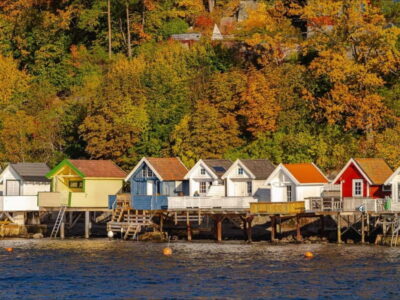
Lindøya is the visual change many people come for. Traditional wooden homes and small gardens line village paths, with flowers adding color around the cabins. These are holiday retreats, not a polished open-air museum. That distinction gives the island its appeal. You are seeing a living leisure tradition connected with the fjord.
The paths wind between cabins and viewpoints. You get glimpses of the water, nearby hills, and the simple rhythm of island life. The cabins are close together in places, so remember that people use these homes privately. The tour is best enjoyed with a respectful, low-key approach.
I find this stop valuable because it shows a side of Norway that can be missed in Oslo’s center. The city is modern and compact, but the fjord islands preserve a slower summer culture. A few ferry minutes can take you from City Hall and Aker Brygge to flower gardens, wooden houses, and quiet shoreline paths.
The extra time on Lindøya also creates room for a picnic. From April through September, you should bring your own lunch, water, and perhaps something small to share. Depending on weather and opening hours, the guide may stop at a local kiosk for extra snacks or ice cream, but you should not rely on it as your main food source.
Picnic spots may include different parts of the island, depending on conditions and the group’s pace. The point is not a formal meal service. It is a chance to sit near the water, eat something you brought, and enjoy the views without rushing through another sight.
From October through March, the tour is shorter and warm drinks are provided instead. Several winter outings have included coffee, herbal tea, hot chocolate, and gingerbread or cookies. That small touch matters on a cold island path, though you should still bring proper layers and do not expect a hot meal.
A completely different kind of day:
- Oslo: 3-Hour Highlights Bike Tour
★ 4.8 · 1,609 reviews - Oslo: 24 or 48-Hour Hop-On Hop-Off Sightseeing Bus Ticket
★ 4.1 · 1,470 reviews - Oslo: Guided Sightseeing Fjord Cruise on Premium Silent Boat
★ 4.7 · 1,390 reviews - Kon-Tiki Museum Entrance Ticket
★ 4.5 · 1,096 reviews
The ferry ride back into Oslo
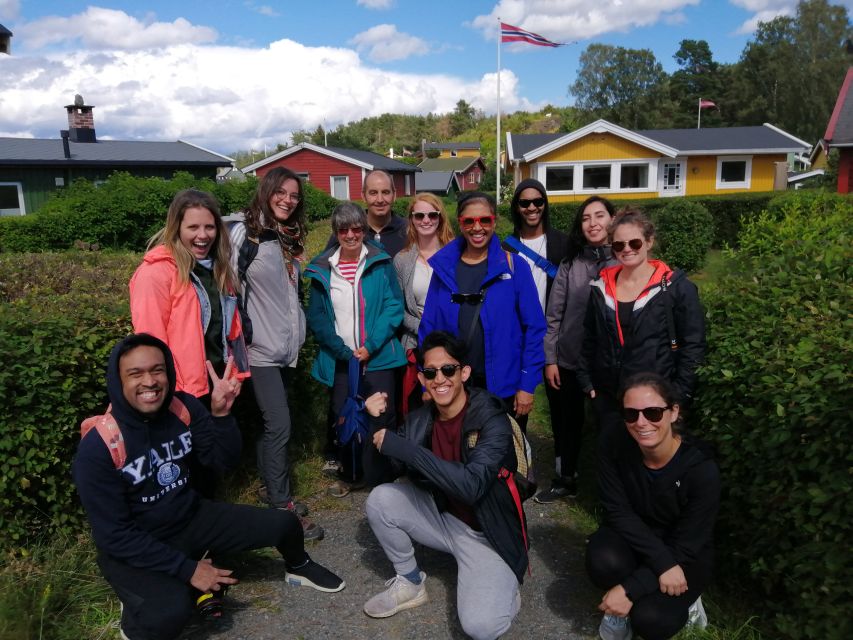
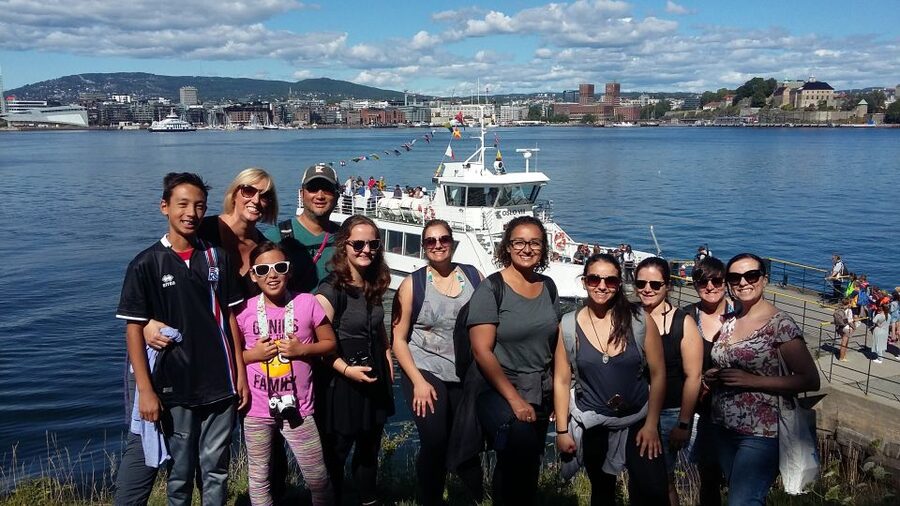
After the final walk, you return by ferry to Rådhusbrygge 4. The last crossing takes about 10 minutes, but it is one of the best parts for city views.
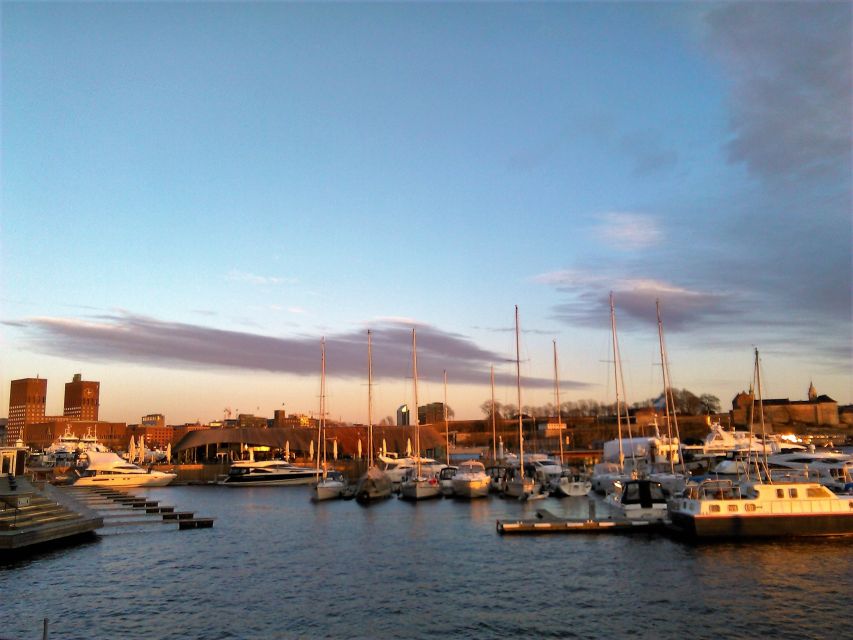
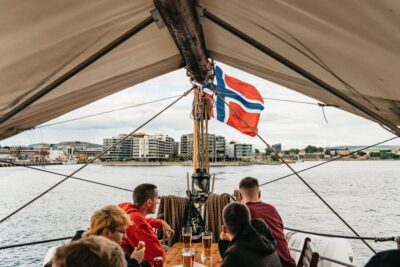
As the boat approaches the center, you can see Akershus Fortress, City Hall, and the redeveloped waterfront around Aker Brygge. The return route gives the outing a satisfying shape. You begin with the city, move out through the fjord, then come back with a better sense of how Oslo’s water and islands fit together.
The ferry is also a useful rest between walks. You can sit down, warm up in winter, or take photographs without having to follow a trail. Since transport receives especially strong marks from the overall activity score, the boat component is not just a way to get from one stop to another. It is a major part of the experience.
How hard is the walking?
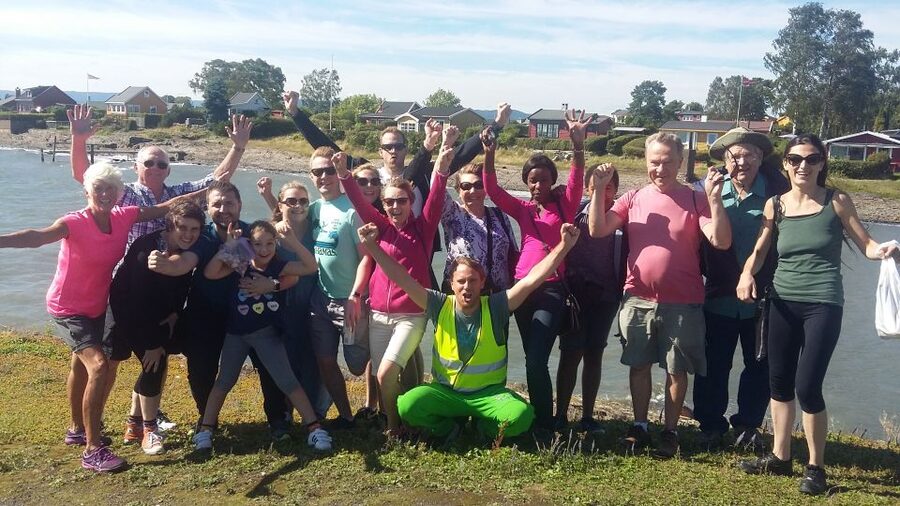
The tour covers about 7 kilometers, or around 10,000 steps. That is manageable for many reasonably active adults, but the distance is spread across uneven paths rather than flat city sidewalks.
You should be comfortable walking on:
- Gravel and packed dirt
- Stones and forest paths
- Uneven coastal ground
- Slippery surfaces after rain or during winter
The tour is not suitable for wheelchair users, and children under nine cannot join. It is also a poor fit if you want a boat trip with almost no walking.
The guides appear to take group comfort seriously. On one particularly icy day, the guide provided crampons. Another guide adjusted the pace for a participant with a knee injury, allowing the person to remain part of the outing. These examples do not remove the need for fitness, but they suggest that the walking is handled with care.
Bring a small backpack with water, food in the warmer months, swimwear, and a towel if you might use the beaches. Wear shoes with a firm sole. The tour does not provide rain gear, so pack a waterproof jacket and clothing that can handle changing weather.
What the guides add
You can technically reach these islands on your own by public ferry. The guide is the reason to pay for this particular experience.
The strongest part of the guiding is the combination of history and local advice. You hear about the abbey, Norway’s Christianization, the islands’ military roles, the old airport, and the cabin tradition. You also get suggestions for places to eat and ideas for walks beyond the city center.
The guiding style varies by person, but the names frequently associated with strong outings include Shaf, Patrick, Giovanni, Neil, Carolina, Jon, Laura, Kat, and Lola. Shaf has been praised for his energy, historical detail, and practical Oslo suggestions. Giovanni has been especially good at explaining Norwegian culture and looking after the group in winter. Lola even added Norwegian folk songs to one outing, which is a memorable touch if you happen to have her as your guide.
Do not expect a scripted lecture delivered without interruption. The best accounts describe guides who welcome questions, check that nobody is left behind, and keep the mood friendly. That matters during poor weather, when a warm personality can make a gray or icy walk feel worthwhile.
The tour is conducted in English. If you enjoy asking questions and learning through conversation, you will get more from it than someone who simply wants a silent nature walk.
Is $69 a fair price?

At $69, the tour is not the cheapest way to see the Oslo islands. Public ferry fares alone would cost less, and independent visitors could walk parts of Hovedøya or another island at their own pace.
The price becomes easier to justify when you count the included ferry tickets, four hours of time, route planning, historical interpretation, and group support on unfamiliar trails. You also avoid the work of figuring out which islands to combine and when to catch the next boat.
The warmer-season version offers the best range of scenery because it includes Hovedøya, Gressholmen, and Lindøya. The shorter cold-season version gives you two islands, lasts about three and a half hours, and includes warm drinks. That seasonal difference is important when judging value. If you want the full three-island route, book between April and August and check the exact schedule.
An overall rating of 4.8 from 2,713 ratings suggests the experience delivers consistently. The most praised features are the guides, the views, the well-paced walking, and the way the tour combines nature with Oslo’s past. The main complaints or cautions are not about poor organization. They concern cold weather, rain, slippery paths, and the shorter two-island route outside the main season.
Who will enjoy this island walk?
I would recommend the tour to you if you want to see beyond Oslo’s central streets but have limited time. It is a good first or second-day activity because the guides often offer useful ideas for other walks, restaurants, and sights.
It suits:
- Adults and families with children aged nine or older
- People who enjoy light hiking and coastal scenery
- History fans who prefer ruins and real places to formal exhibits
- Visitors who want local context while seeing the fjord
- Anyone who likes mixing transport with walking
- Photographers looking for cabins, beaches, forests, and harbor views
I would hesitate if you dislike uneven ground, need step-free access, or want complete control over your schedule. The group must follow ferry times, and the route can feel brisk if you stop constantly for photographs.
Weather makes a real difference. Summer brings flowers, longer daylight, beaches, and the third island. Autumn can add color and a quieter feel. Winter may offer crisp views, snow, or a magical frozen atmosphere, but it can also be very cold. One outing was described as freezing yet pristine, while another remained enjoyable in heavy rain because of the guide’s attitude. Pack for the forecast, not for the brochure.
Final verdict: should you book it?
Book this tour if you want Oslo’s fjord to be more than a pretty backdrop. The ferry rides show you the city from the water, Hovedøya gives you a powerful medieval story, Gressholmen adds unusual airport and military history, and Lindøya reveals the everyday charm of Norway’s cabin islands.
I consider it good value for an active half-day, especially if you appreciate a guide who can turn scattered ruins, old cannons, and small wooden homes into a connected story. Choose the warmer months for three islands and a picnic. Choose the colder months for a shorter route, warm drinks, and a quieter atmosphere, but bring serious winter clothing and shoes with grip.
FAQ
How long is the Oslo island-hopping tour?
From April through August, it lasts about four to four and a half hours. From September through March, it lasts about three and a half hours.
How many islands does the tour visit?
The April through August version visits Hovedøya, Gressholmen, and Lindøya. From September through March, the tour visits two islands.
Where does the tour begin and end?
It begins and ends at Rådhusbrygge 4 in central Oslo, near Platform E beside the Fisketorget restaurant.
Are ferry tickets included?
Yes. The tour includes tickets for the public ferries used between the islands and Oslo city center.
How much walking is involved?
You walk approximately 7 kilometers, or around 10,000 steps, on gravel, dirt paths, and stones.
What should I bring?
Bring comfortable trail shoes, a backpack, water, and suitable clothing for the weather. From April through September, bring your own lunch for the picnic, along with swimwear and a towel if desired.
Are warm drinks provided?
Warm drinks are provided from October through March. Food and drinks are not generally included during the warmer months, so you should bring your own picnic.
Is the tour suitable for children and wheelchair users?
Children under nine cannot join, and the tour is not suitable for wheelchair users because of the uneven walking paths.
Just added in Oslo
- Oslo Winter Highlights Bike Tour★ 5.0 · 36 reviews
- 4 hours Best View of the Oslofjord Winter Edition★ 4.0 · 15 reviews
- The Ultimate Study of the Human Form at Vigeland’s Sculpture Park with a Local★ 4.0 · 14 reviews
- Unknown war. Oslo and Norway during 1940-45★ 5.0 · 74 reviews
- Top of Oslo Snowshoe Tour★ 5.0 · 2 reviews
- The Scenic Roadtrip, Oslo to Bergen via Flam & the Fjords★ 5.0 · 25 reviews
- The Viking Planet Museum – Mini Group (4 adults)★ 4.0 · 16 reviews
- The Oslo Beer Adventure★ 4.5 · 11 reviews
Oslo Tours, compared.

Scenic Fjord Cruise with Audio Guide Commentary
Read our review →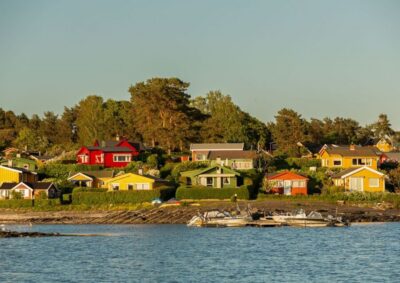
Guided Sightseeing Fjord Cruise on Premium Silent Boat
Read our review →

Browse the lists this tour appears in