
REVIEW · WALKING TOURS
Oslo: Historic Myths & Legends Evening Walking Tour
Oslo gets more interesting after dark. I like this tour for its mix of Norse folklore and real city history, especially the stories tied to City Hall and Akershus Fortress. I also like its easy pace and lively English-speaking guides, though winter wind and temperatures can make the two-hour walk feel demanding.
The route gives you a useful first look at central Oslo without treating the city like a checklist. Guides such as Maria and Anastasia bring humor, local pride, and plenty of detail, but this is not a ghost hunt or underground adventure. You’ll hear about spirits, trolls, nisse, huldra, crime, punishment, and war while remaining above ground in the city center.
In This Review
- Key points to know before booking
- Why Oslo’s myths work so well on an evening walk
- Meeting by City Hall and Fridtjof Nansen’s square
- Christiania Torv and Oslo’s changing identity
- Akershus Fortress, medieval defenses, and prison stories
- Bankplassen and Oslo’s audacious thefts
- The guides are the real strength
- What the $42 price buys you
- Weather, walking, and practical comfort
- Who will enjoy this tour most
- Should you book Oslo’s Historic Myths and Legends walk?
- FAQ
- Where does the Oslo myths and legends tour begin?
- How long does the walking tour last?
- How much does the tour cost?
- What language is the tour conducted in?
- Which places are visited?
- Is the tour a ghost-hunting experience?
- What should I bring?
- Is the tour suitable for children?
- Is the tour accessible for wheelchair users?
- Can I cancel the booking?
Key points to know before booking
- Norse folklore with real places: Hear about trolls, nisse, huldra, Viking beliefs, protective bells, and other traditions while visiting Oslo landmarks.
- Akershus Fortress is the dramatic centerpiece: Learn about medieval defenses, prisoners, the castle’s design, and the people who met grim fates inside its walls.
- City Hall adds surprising visual detail: Wooden friezes and murals connect Norwegian beliefs and Viking-era stories to one of Oslo’s best-known buildings.
- The walk is relaxed but weather matters: Comfortable shoes are essential, and winter visitors should prepare for piercing wind and temperatures below freezing.
- The guides earn much of the tour’s praise: Maria and Anastasia are repeatedly described as funny, warm, interactive, and passionate about Oslo.
- Best for curious first-time visitors: At $42 for two hours, it offers useful orientation plus stories you are unlikely to pick up from a standard sightseeing route.
Why Oslo’s myths work so well on an evening walk
This is not a conventional city tour built around dates and famous buildings alone. Its appeal comes from the way folklore gives ordinary streets a second layer. A square may be an attractive urban space, but with the right story, you begin to picture the fears, customs, and superstitions that shaped life there.
The tour also treats myths as part of Norwegian culture rather than presenting them as spooky entertainment. You’ll hear about mischievous trolls, generous nisse, and the mysterious huldra, along with stories of ghosts and underground kingdoms. The guide’s job is to explain why these tales mattered and how they were passed from one generation to the next.
That balance is important. If you want theatrical scares, secret tunnels, or a ghost-hunting expedition, this is the wrong choice. If you enjoy folklore linked to buildings, beliefs, and daily life, the format makes good sense.
The evening timing helps. Oslo’s streets change character as daylight fades, and the city’s historic buildings take on a quieter mood. In December, darkness may arrive during the 4:00 to 6:00 p.m. tour window, so you should not expect bright daylight sightseeing. You can, however, expect a different view of familiar streets.
More History Tours in Oslo
- Oslo: History, Art and Secrets Tour
★ 4.7 · 62 reviews - Oslo City Walks – Historic River Walk
★ 5.0 · 31 reviews - A Well Balanced History and Food Tour with Focus on the Scandinavian Kitchen
★ 4.5 · 29 reviews
Meeting by City Hall and Fridtjof Nansen’s square
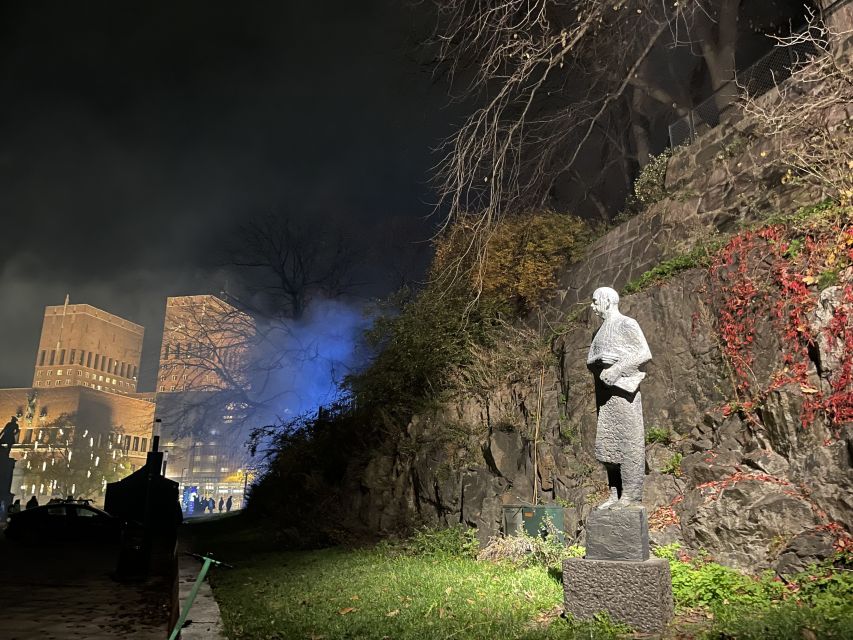
The walk begins near the Swans fountain at the entrance to Oslo City Hall, on Fridtjof Nansen’s square. This is a practical starting point because City Hall is easy to identify, and the route quickly places you in the story of Oslo.
City Hall is not simply a place to gather. Its walls contain wooden friezes and murals connected to Viking beliefs and Norwegian culture. The guide uses these details to introduce the old stories, giving you something concrete to look at while listening.
I find this a smart opening because it avoids the usual problem with folklore tours: too many names and creatures floating around without a physical anchor. Here, the guide can point to art and architecture as the stories unfold. You begin to see how mythology appears in public places, not just in books or museum displays.
The guide style matters a lot at this stop. Maria is praised for explaining difficult subjects clearly while keeping the mood light. Anastasia is also described as enthusiastic, expressive, and highly familiar with Oslo’s past. The strongest part of the experience appears to be this personal storytelling rather than any special access to the buildings.
Christiania Torv and Oslo’s changing identity
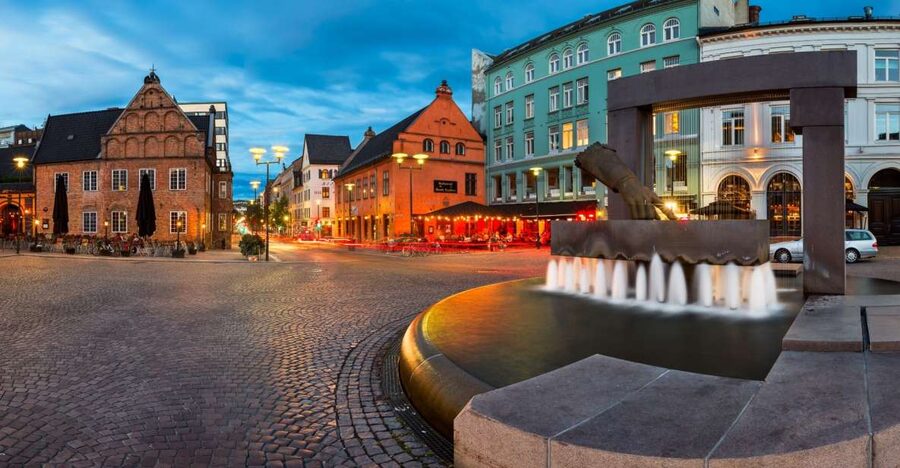
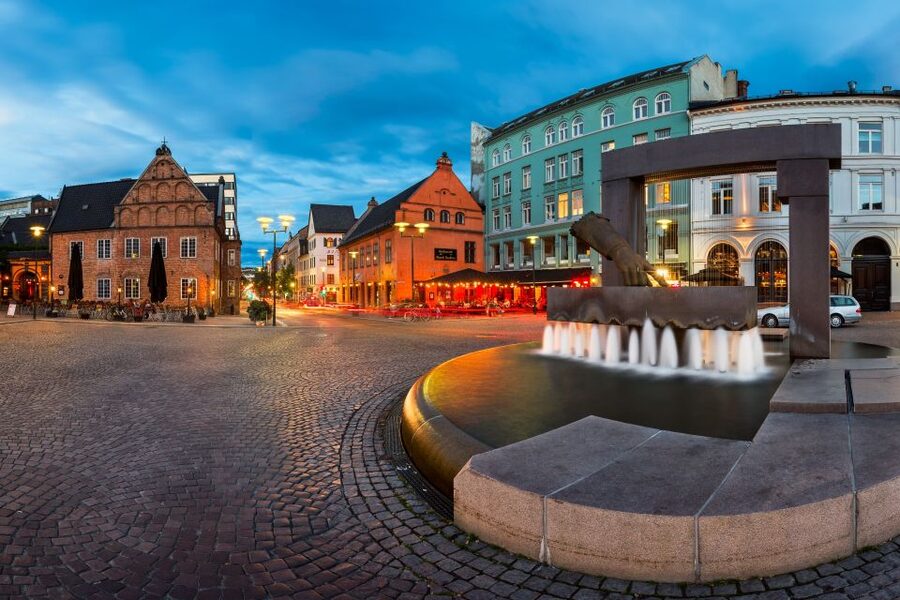
From City Hall, the route continues to Christiania Torv, one of the city’s historic squares. Here, the tour shifts from broad Norse beliefs to events and characters connected with Oslo’s urban past.
The square gives the guide a natural place to explain how the city changed over time. You’ll hear stories drawn from the records and traditions of the area, with attention to episodes that left their mark on Oslo’s streets.
This portion is useful if you are new to the city because it helps connect the old center with the modern capital around you. A standard photo stop might show you the architecture and move on. This tour asks you to consider what happened in the same spaces before Oslo became the city you see today.
The content is broad. It can move from mythology to local characters, from historical events to odd customs, and from serious episodes to funny details. That variety suits people who prefer storytelling to a lecture. It also means the tour may not satisfy you if you want a precise architectural survey of every building along the route.
The pace is described as relaxed and manageable. Guides make room for questions, personal anecdotes, and photographs, so you are not pushed from one point to the next. That slower rhythm is welcome in the evening, though it also means the amount of ground covered is limited.
Akershus Fortress, medieval defenses, and prison stories
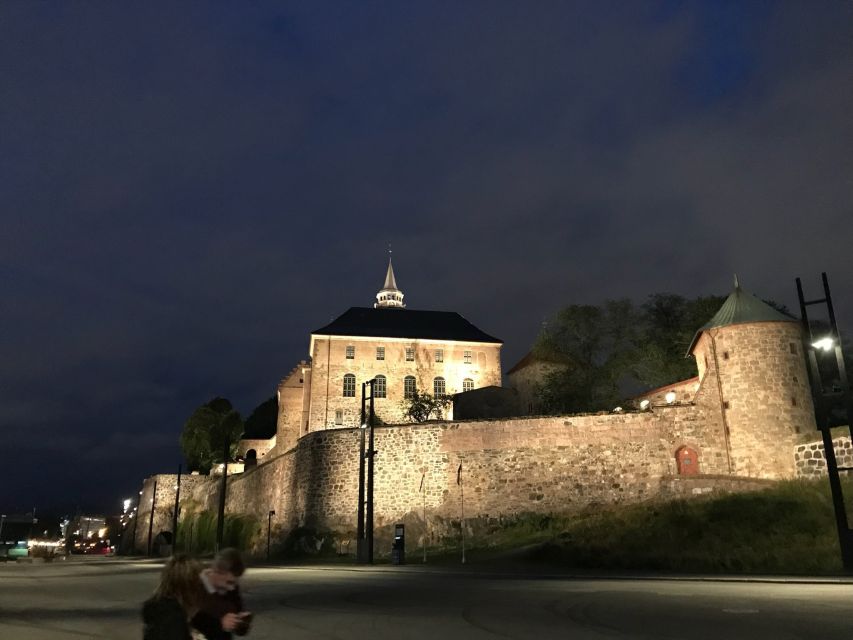
Akershus Fortress is likely to be the most memorable stop. Its walls and defensive design provide a strong setting for stories about Oslo’s need for protection and the people who lived, worked, or suffered inside the complex.
The guide explains the fortress’s engineering and layout in an approachable way. Rather than asking you to admire stone walls without context, the tour considers why the defenses were built and how the site functioned over time.
The prison stories add a darker edge. You’ll hear about prisoners held within the fortress and the fates they faced. This section is not presented as a scare attraction. Its value comes from showing how authority, confinement, and punishment worked in earlier periods.
The fortress also connects well with the tour’s legends. Stories about spirits and unusual happenings gain weight when you know the site’s actual past. You can appreciate the old tales while keeping a clear line between folklore and documented history.
Expect outdoor walking around a historic fortress rather than a long indoor visit. The supplied details do not promise entry into every building or a private tour of the complex. If weather is poor, exposed paths and cold stone surroundings may make this section less comfortable, so pack properly.
More Walking Tours in Oslo
- Oslo: Best of Oslo Walking Tour
★ 4.5 · 458 reviews - Oslo: Guided Walking Tour of Central Oslo
★ 4.7 · 438 reviews - Taste of Oslo Walking Tour
★ 4.5 · 282 reviews - Central Oslo Guided Walking Tour with Local Guide
★ 4.5 · 278 reviews
Bankplassen and Oslo’s audacious thefts
At Bankplassen, the subject turns toward crime. This is one of the tour’s more unusual choices, since many Oslo walks focus mainly on royalty, art, or major landmarks.
You’ll hear about daring thefts and intricate robberies that once shook the city. The stories add movement and humor to the historical material, while also showing how valuable objects, public order, and personal risk shaped city life.
The discussion then broadens into justice in medieval Oslo. You’ll learn how crimes were treated and what punishments could follow. The point is not simply to list grim penalties. It is to show how different the legal system was from modern ideas of fairness and due process.
This subject may appeal especially to you if you enjoy social history. It puts ordinary behavior, fear, greed, and punishment alongside grander stories about kings and warriors. It also gives the tour a useful change of pace after the mythology and fortress material.
Some of the darker themes include death and prison life. One guide was praised for handling these subjects with humor and care, but this is still not a light, child-focused walk. The official age guidance excludes children under 13, even though one family said its 8 and 10-year-old children loved the experience. I would follow the stated age limit when planning.
The guides are the real strength
The route is appealing, but the guide makes or breaks this kind of experience. A list of myths is easy to forget. A well-told story, connected to a wall, square, or fortress, can stay with you for the rest of your visit.
Maria receives especially warm praise. She is described as funny, welcoming, easy to listen to, and generous with practical suggestions for exploring Oslo after the tour. She also handles questions well, which matters when the subject moves between mythology, architecture, crime, and local customs.
Anastasia receives similar praise for her English, enthusiasm, and ability to bring lesser-known details to life. The guides are not presented as stiff academics. Their strength is making complicated material feel friendly and understandable.
You should expect the exact guide to vary by departure. The experience is offered in English, and the guide is live rather than recorded. That gives you a chance to ask about places you pass, compare Norwegian traditions with those from home, and request suggestions for the rest of your stay.
The best use of the tour is early in your Oslo visit. Several guides offer advice about other areas and sights, so you can use the walk to shape your plans for the next few days. You’ll also recognize places later if you explore the center on your own.
What the $42 price buys you
At $42 per person, the tour is not the cheapest way to walk around central Oslo. You can see many exterior landmarks without paying anything. The value lies in the interpretation: two hours of connected stories, cultural context, and a guide who can answer questions.
I think the price is fair if you enjoy history and folklore and want more than photographs. You are paying for a focused route and a human storyteller, not admission to a museum, a meal, or a special underground attraction.
The value is strongest for a first visit. In two hours, you get an introduction to City Hall, Christiania Torv, Akershus Fortress, Bankplassen, Norwegian mythology, medieval justice, and local legends. That is a useful amount of orientation, especially if you have limited time in Oslo.
It is less good value if you want a detailed interior tour of the fortress or a broad survey of every major Oslo sight. The experience is selective by design. It chooses atmosphere and unusual stories over a complete city overview.
Taxes and the English-speaking guide are included. Food, drinks, hotel pickup, and hotel drop-off are not. You meet in the city center and make your own way there, so plan for that when judging the total cost.
Weather, walking, and practical comfort
Bring comfortable shoes. The route lasts two hours, and even an easy walk feels longer when you are standing still to listen.
Winter needs serious preparation. Some departures have taken place in snow, strong wind, and temperatures in the minus 10s. One guide kept the experience going in difficult conditions, but good guiding cannot remove the cold. Wear warm layers, protect your hands and head, and prepare for wind around open areas.
Darkness is another factor. In December, a late afternoon tour can take place almost entirely after sunset. That creates a pleasant evening mood, but it may make small details on buildings harder to see. The guide’s explanations become even more important.
Spring, summer, and early autumn should be easier for outdoor comfort. One summer family found the tour especially enjoyable, and an autumn departure included evening light and a striking sunset. Still, the activity remains a walking tour, not a seated performance.
The tour is not suitable for people with mobility impairments or wheelchair users. The route includes historic outdoor areas and fortress surroundings, and the activity information does not promise an accessible alternative. Dogs have accompanied at least one participant, but you should confirm current rules before bringing one.
Who will enjoy this tour most
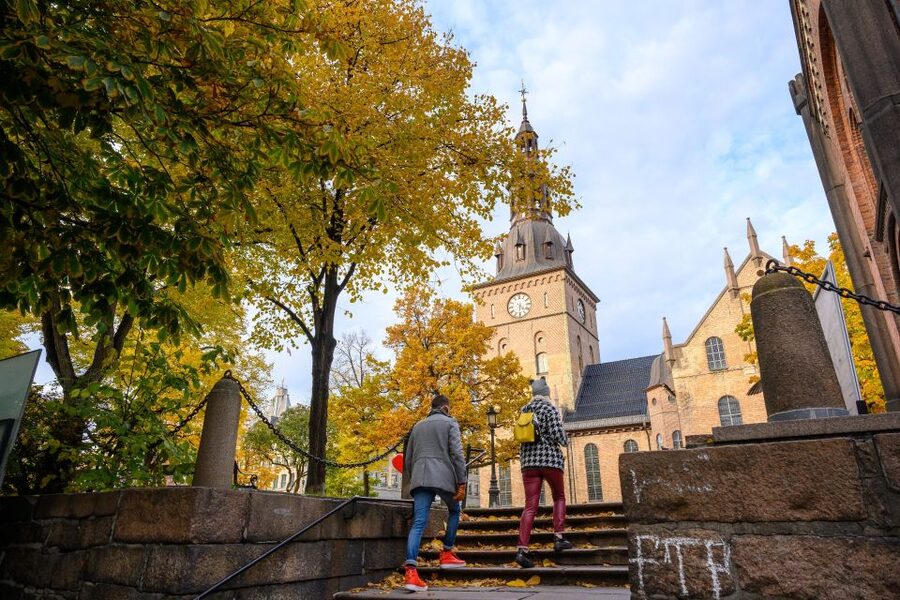
I would choose this experience if you want:
- A first introduction to Oslo with more personality than a standard sightseeing circuit
- Norse mythology explained in connection with real places
- Stories about trolls, nisse, huldra, ghosts, crime, and punishment
- A friendly guide who welcomes questions
- An evening activity that does not revolve around food or nightlife
- Suggestions for what to see after the walk
It is a good match for solo visitors because the guide creates an easy social setting without requiring group participation. It also suits couples and adult families with teenagers aged 13 and above.
You may want another activity if you have limited stamina, use a wheelchair, dislike cold weather, or prefer museums and indoor attractions. You should also skip it if you expect theatrical ghost effects or access to underground spaces. The tour explains legends and their cultural meaning, but it does not hunt ghosts.
Should you book Oslo’s Historic Myths and Legends walk?
I would book it early in a stay, especially if Oslo is new to you. The route gives you useful bearings, but its real strength is the way Maria, Anastasia, and the other guides connect ordinary streets with memorable tales of superstition, daring thefts, medieval justice, and Norwegian identity.
At $42, it is worthwhile for a curious visitor who values explanation and storytelling. Dress for the forecast, wear proper shoes, and remember the 13-plus age guidance. Choose it for an engaging cultural walk, not for fortress interiors, ghost-hunting, or a full survey of Oslo’s attractions.
FAQ
Where does the Oslo myths and legends tour begin?
Meet the guide near the Swans fountain at the entrance of Oslo City Hall, on Fridtjof Nansen’s square.
How long does the walking tour last?
The tour lasts two hours.
How much does the tour cost?
The listed price is $42 per person.
What language is the tour conducted in?
The tour is conducted in English with a live English-speaking guide.
Which places are visited?
The route includes Oslo City Hall, Christiania Torv, Akershus Fortress, and Bankplassen, along with other central locations connected to the stories.
Is the tour a ghost-hunting experience?
No. The tour discusses ghost stories and underground kingdoms as part of Norwegian history and culture, but it does not involve ghost hunting or underground exploration.
What should I bring?
Bring comfortable shoes. Warm clothing is also especially important during winter departures, when snow and strong wind are possible.
Is the tour suitable for children?
The activity is officially not suitable for children under 13. One family reported that children aged 8 and 10 enjoyed it, but the stated age guidance is 13 and older.
Is the tour accessible for wheelchair users?
No. The activity is listed as unsuitable for wheelchair users and people with mobility impairments.
Can I cancel the booking?
You can cancel up to 24 hours in advance for a full refund. Reserve now and pay later is also available.
More Evening Tours in Oslo
- Oslo: Fjord Evening Cruise with Shrimp Buffet
★ 4.5 · 1,956 reviews - Oslo Fjord Evening Cruise with Shrimp Buffet on a Sailing Ship
★ 4.0 · 170 reviews - Oslo Fjord Evening Live Rock music cruise with Shrimp buffet
★ 4.9 · 15 reviews - Tromsø: Evening Aurora Cruise (dinner optional)
★ 4.4 · 1,570 reviews
Just added in Oslo
- Oslo Winter Highlights Bike Tour★ 5.0 · 36 reviews
- 4 hours Best View of the Oslofjord Winter Edition★ 4.0 · 15 reviews
- The Ultimate Study of the Human Form at Vigeland’s Sculpture Park with a Local★ 4.0 · 14 reviews
- Unknown war. Oslo and Norway during 1940-45★ 5.0 · 74 reviews
- Top of Oslo Snowshoe Tour★ 5.0 · 2 reviews
- The Scenic Roadtrip, Oslo to Bergen via Flam & the Fjords★ 5.0 · 25 reviews
- The Viking Planet Museum – Mini Group (4 adults)★ 4.0 · 16 reviews
- The Oslo Beer Adventure★ 4.5 · 11 reviews
Walking Tours, compared.

Past & Present Small Group Guided Walking Tour
Read our review →
Walking Tour in Bergen of the Past and Present
Read our review →



Central Oslo Guided Walking Tour with Local Guide
Read our review →Browse the lists this tour appears in