
REVIEW · WALKING TOURS
Free City Walking Tour in Oslo
Oslo reveals itself on foot. This 90-minute city walk links the Opera House, Akershus Fortress, City Hall, Royal Palace, and Parliament while adding stories about Norwegian life and culture. I like the easy central route and the chance to get your bearings soon after arriving. I also like that guides such as Nicholas, Zoe, Nikola, Yellena, and Mia have been praised for making the walk friendly and fun. The main consideration is pace: one experience was described as having more walking than talking, so your enjoyment may depend on the guide and group on the day.
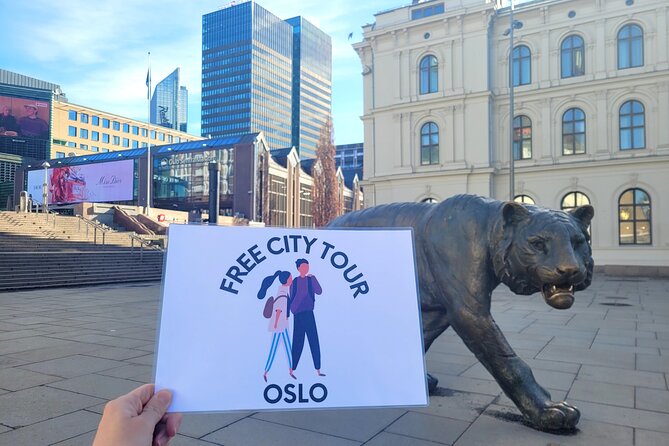
The tour is listed at $3.45 per person, though a direct free-walking-tour option may be available, with tips commonly expected. The group can reach 30 people, which is manageable but not especially intimate. You receive a mobile ticket, meet at the Tiger sculpture near Oslo Central Station, and finish by the Norwegian Parliament.
In This Review
- Key points before you set out
- Starting beside Oslo’s famous Tiger
- Bjørvika, the Opera House, and Oslo’s modern face
- Kvadraturen and Christiania Square
- Akershus Fortress brings the strongest setting
- Aker Brygge and the Nobel Peace Center
- City Hall and the civic heart of Oslo
- National Theatre, Henrik Ibsen, and the University Aula
- The Royal Palace and Norwegian royal stories
- Finishing at Parliament on Karl Johans gate
- What the guide can change
- Price, tipping, and real value
- Who should book this 90-minute walk?
- Should you book the Oslo Free City Walking Tour?
- FAQ
- How long does the Free City Walking Tour in Oslo last?
- Where does the tour begin?
- Where does the tour end?
- What sights are included?
- How large can the group be?
- Can I cancel for a full refund?
Key points before you set out
- The route covers Oslo’s main central sights: You pass the Opera House, Akershus Fortress, Aker Brygge, City Hall, National Theatre, University Aula, Royal Palace, and Parliament.
- The Tiger sculpture is an easy meeting point: It sits at Jernbanetorget, close to Oslo Central Station and public transportation.
- Akershus Fortress adds the best elevated views: The stop includes stories linked to Alfred Nobel and gives the walk a stronger sense of place.
- Guides are a major part of the experience: Nicholas, Zoe, Nikola, Yellena, and Mia have each been praised for warmth, humor, clear explanations, or local insight.
- Ninety minutes is useful but brisk: You get a strong introduction to central Oslo, not a detailed tour of every building.
- The tour ends by Parliament: From there, the Tiger statue is about a 10-minute walk away, making it easy to return toward the station.
Starting beside Oslo’s famous Tiger
The tour begins at the Tiger sculpture at Jernbanetorget, Oslo’s main station square. This is a practical meeting place because it is easy to find and close to public transportation. If you are arriving by train, you do not need to cross the city before the walk even begins.
The opening stop lasts about eight minutes. That may sound brief, but it gives the guide a chance to explain the plan and place Oslo in context before the group heads toward the waterfront. Since the meeting point is central, you can also use this tour as a first-day orientation walk.
A mobile ticket keeps the arrival simple. The group may include up to 30 people from several countries, so arrive ready to listen for the guide rather than expecting a tiny private group. One group included people from 11 countries, a detail that fits Oslo’s role as an international capital.
More Walking Tours in Oslo
- Oslo: Best of Oslo Walking Tour
★ 4.5 · 458 reviews - Oslo: Guided Walking Tour of Central Oslo
★ 4.7 · 438 reviews - Oslo: Historic Myths & Legends Evening Walking Tour
★ 4.8 · 408 reviews
Bjørvika, the Opera House, and Oslo’s modern face
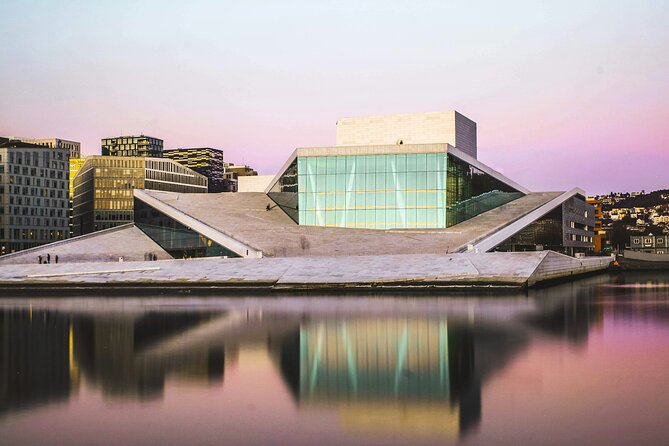
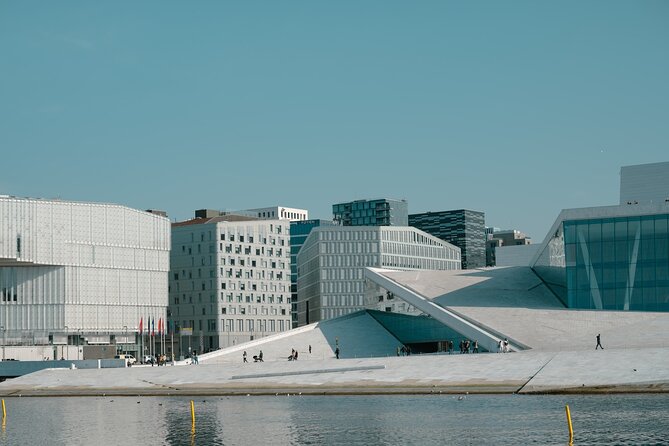
From the Tiger, the walk heads toward the Oslo Opera House. The stop lasts about 10 minutes and brings in several newer parts of the city, including Bjørvika and Sørenga. The Public Library and Munch Museum also enter the conversation here.
This section helps you see that Oslo is not only a city of royal buildings and old fortifications. The waterfront has become one of the clearest places to understand the city’s modern identity, public architecture, and cultural life. You may not enter the Opera House, library, or Munch Museum during the walk, but the guide’s stories can help you decide which places deserve a longer visit later.
There is also a short stop connected with the smallest stock exchange in the world. The information provided does not give a separate duration for this point, so treat it as a quick story along the route rather than a major sightseeing stop.
The strength here is variety. In a short time, you move from a railway square to a modern waterfront and then toward older Oslo. The limitation is that the walk cannot offer much time inside any museum or landmark. If you want art, architecture, or exhibits in detail, plan a separate visit.
Kvadraturen and Christiania Square
The route continues into Kvadraturen, the old central district, with a stop at Christiania Square lasting about seven minutes. This part of Oslo gives the walk a more historical feel after the open waterfront spaces.
The guide uses the neighborhood to explain earlier Oslo and the changing shape of the capital. The attraction is less about one dramatic building and more about connecting streets, squares, and civic development. You get a sense of how the city grew around its harbor and central institutions.
This is also a good point to pay attention to the guide’s storytelling style. Several strong experiences depended on guides who added humor and everyday details rather than only listing dates. Nicholas was praised for combining local views of daily life with history, while Yellena was described as friendly, fun, and well prepared.
Akershus Fortress brings the strongest setting
Akershus Castle and Fortress is one of the most important stops. The planned visit lasts about eight minutes, and admission is listed as included. The walk includes a story about Alfred Nobel, adding a connection to the Nobel Peace Center later in the route.
The fortress matters because it gives the tour a change of scale. Instead of simply passing civic buildings at street level, you reach a historic defensive site with views over the harbor area. The supplied information specifically highlights views from the top of the fortress, making this one of the more scenic parts of the walk.
Do not mistake an eight-minute stop for a full fortress visit. You will hear the key story and see the setting, but you will not have time to explore every corner or spend long inside the castle. If Akershus catches your interest, save time to return on your own.
For me, this stop gives the route some needed texture. The Opera House and waterfront show present-day Oslo, while Akershus supplies a strong link to the city’s earlier role. It is also a useful reminder that Oslo’s history is not confined to museums.
A completely different kind of day:
- Oslo: Scenic Fjord Cruise with Audio Guide Commentary
★ 4.5 · 5,375 reviews - Oslo Nature Walks: Island Hopping Tour
★ 4.8 · 2,713 reviews - Oslo: 100% Electric Oslofjord Sightseeing Cruise
★ 4.4 · 2,041 reviews - Oslo: Fjord Evening Cruise with Shrimp Buffet
★ 4.5 · 1,956 reviews
Aker Brygge and the Nobel Peace Center

The next stop lasts about seven minutes and covers Aker Brygge, the National Museum, and the Nobel Peace Center. These places sit within one of the city’s most recognizable waterfront areas, so this portion gives you several ideas for later sightseeing.
The Nobel Peace Center is especially relevant because the route has already mentioned Alfred Nobel at Akershus Fortress. That connection makes the tour feel more like a connected story instead of a string of unrelated photo stops. You learn where the institution fits in Oslo and why Nobel-related themes appear in the city.
The National Museum adds another cultural reference point, though the walk does not include a museum visit. You will need a separate ticket and more time if you want to see the collections. The value of this stop is orientation: after the tour, you will know which waterfront attractions interest you and where they are located.
Aker Brygge also offers a pleasant change of mood. The route stays in central Oslo, but the harbor setting helps break up the succession of institutional buildings. If you enjoy cities best when you can connect public life with water and open space, this will likely be one of your favorite sections.
City Hall and the civic heart of Oslo
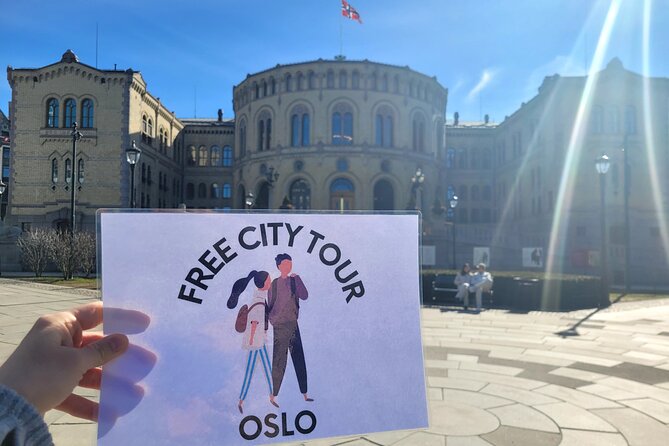
Oslo City Hall, or Rådhuset, receives about 10 minutes, one of the longer stops on the itinerary. The guide explains the building and its place in the city, while the group gets a chance to take in Oslo’s civic center.
This is where the tour shifts from royal and cultural sites toward government and public life. You pass through a city that presents itself not just through grand monuments, but also through institutions used for national ceremonies, public work, and daily administration.
The longer stop matters because City Hall needs more than a quick glance. A guide can point out details and explain why the building matters, while you still have enough time to look around. The tour does not promise entry, so expect an exterior visit and commentary rather than a full indoor tour.
One useful feature of this walk is the balance between famous sights and practical city knowledge. You are not simply collecting landmarks. You are building a mental map of where Oslo’s cultural, political, and royal centers sit in relation to one another.
National Theatre, Henrik Ibsen, and the University Aula
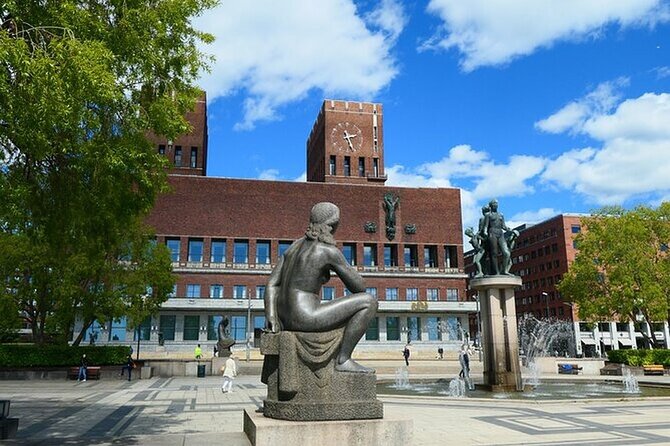
Nationaltheatret is a shorter six-minute stop connected with Henrik Ibsen. The tour then moves to the University Aula, where Edvard Munch painted, for about four minutes.
These stops are brief, but they add Norway’s artistic and literary life to the route. Ibsen gives the guide a way to discuss the country’s theater tradition, while Munch connects Oslo with one of Norway’s best-known painters. The University Aula is not merely another formal building. Its link to Munch gives you a specific reason to notice it.
The tradeoff is clear. You get a useful introduction, but not a serious examination of Ibsen, Munch, or the buildings themselves. If you are especially interested in art, literature, or architecture, use the tour as a preview and return later.
The shorter stops also help explain why some people describe the experience as a good overview rather than a deep historical lesson. The guide has to keep moving to cover the center in 90 minutes. One participant felt the walk included too much movement and not enough explanation, while another found it packed with useful stories. Those differing reactions suggest that expectations matter.
The Royal Palace and Norwegian royal stories
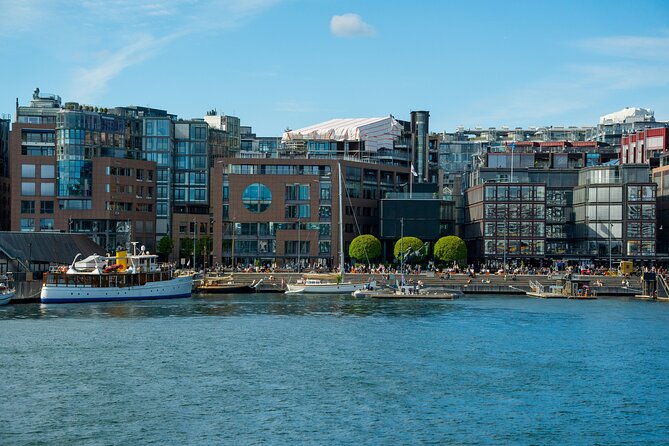
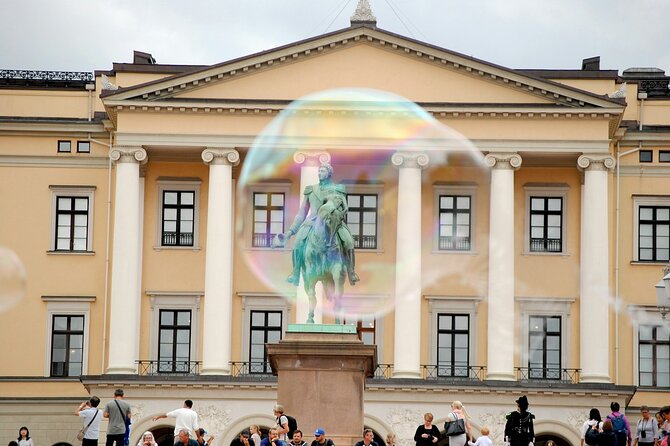
The Royal Palace receives about eight minutes. Here the guide focuses on the Norwegian Royal Family, giving you a direct introduction to the country’s modern monarchy.
This stop works well late in the tour because you have already seen Oslo’s harbor, fortress, museums, theater district, and civic buildings. The palace then becomes part of a wider picture of Norwegian public life rather than an isolated grand building.
You should expect stories and an exterior stop, not a palace tour. The provided details do not promise admission inside. If the royal family interests you, listen for the guide’s explanation of its role in Norway, then decide if you want to investigate the palace further.
The route’s order also makes practical sense. By the time you reach the palace, you have walked through much of central Oslo without needing to navigate on your own. The palace is near Karl Johans gate, so the final section remains easy to follow.
Finishing at Parliament on Karl Johans gate
The Norwegian Parliament is the final stop, with about eight minutes devoted to it. This gives the walk a clear ending at another major national institution.
Finishing here is useful because you end near Karl Johans gate, one of central Oslo’s main streets. The published end point is Karl Johans gate 22, close to Parliament. From there, the Tiger sculpture and Oslo Central Station are about a 10-minute walk away.
This final position makes the tour convenient for the rest of your day. You can walk back toward the station, continue along Karl Johans gate, or use the central location to reach another attraction. It is also a good point to pause and review the city map in your head.
The route is not a loop, so plan accordingly. You finish in a different spot from where you started, though both ends are close enough to connect on foot.
What the guide can change
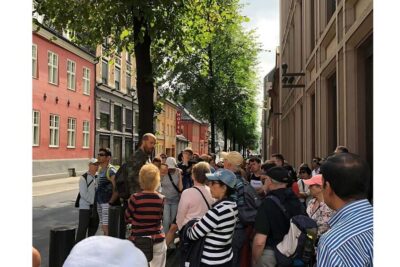
The strongest praise centers on the guides. Nicholas was credited with a local view of history and daily life, while Nikola was described as thorough and unhurried even in chilly wind. Yellena was praised for being friendly and entertaining, and Zoe was described as personable and fun. Mia was also singled out for sharing useful ideas about the nicest parts of Oslo.
That range matters because a walking tour is only partly about the route. A good guide turns a building into a story and helps you notice how Oslo works. The better experiences here seem to combine information with humor, answer questions, and keep the tone relaxed.
There is one important caution. One participant found the tour too focused on walking and felt that some history was left unexplained. Another described a guide who spoke too quickly and finished early, though the operator said that account appeared to describe a different tour. You cannot fully control which guide leads your group, so treat the tour as a broad introduction rather than a guaranteed lecture.
The reported rating is 4.8 from 91 reviews, with 93 percent recommending it. That is a strong record, but it does not erase the need for realistic expectations. You are booking a group orientation walk, not a private historian or a full museum program.
Price, tipping, and real value
At $3.45, the listed price is unusually low for a guided 90-minute walk in central Oslo. You receive access to a route that connects many of the city’s headline sights, and the cost is small enough that the tour can pay off even if you later choose only one or two attractions for a longer visit.
There is a wrinkle. One participant noted that a direct search for the same free city walking tour may allow you to book without the listed charge, while tips of about $10 per person are expected. That means you should compare the direct option with the booking price and check the current terms before paying. A free tour is not always cost-free once tipping enters the picture.
The best value comes from using the walk early in your stay. You can identify the Opera House, fortress, Nobel Peace Center, palace, and Parliament without spending time getting lost. You also gain guide recommendations that may help you choose how to use the rest of your visit.
Who should book this 90-minute walk?
I would choose this tour if you are new to Oslo, have limited time, or want a simple first look at the central sights. It suits solo visitors, couples, families, and mixed-age groups because most travelers can participate and service animals are allowed.
It is also a good match for people who prefer an easy walking pace. One participant specifically praised the pace, and the route stays in central Oslo. Still, you should be ready to walk continuously for about 90 minutes, with stops rather than long seated breaks.
You may want something else if you prefer quiet, small-group guiding or detailed discussion at every stop. A group of up to 30 can feel less personal, and the short timing at several locations limits how much the guide can explain.
Dress for the weather. A participant praised the guide for staying calm in chilly wind, but Oslo conditions can affect your comfort even when the route itself is manageable. Comfortable shoes and a weather-ready layer are sensible choices.
The tour offers free cancellation up to 24 hours before the start time for a full refund. Changes or cancellations within 24 hours are not refunded, and the activity may be canceled if its minimum number is not reached. If that happens, you are offered another date or experience, or a full refund.
Should you book the Oslo Free City Walking Tour?
Yes, if you want a low-cost introduction to central Oslo and understand that the tour is an overview. The route covers an impressive set of landmarks in 90 minutes, and the best guides add humor, local life, and useful context to the walk.
Book it near the beginning of your stay, then return to the places that catch your attention, especially Akershus Fortress, the Opera House, the Munch Museum, the Nobel Peace Center, or the National Museum. Skip it if you want a private experience, long museum visits, or detailed history at every stop.
For most first-time visitors, the combination of a central meeting point, strong guide feedback, easy route, and very low listed price makes this a sensible way to start in Oslo.
FAQ
How long does the Free City Walking Tour in Oslo last?
The tour lasts approximately 1 hour and 30 minutes.
Where does the tour begin?
It begins at the Tiger sculpture at Jernbanetorget, 0154 Oslo, near Oslo Central Station and public transportation.
Where does the tour end?
The final stop is by the Norwegian Parliament at Karl Johans gate 22, 0026 Oslo. The end point is about a 10-minute walk from the Tiger statue.
What sights are included?
The route includes the Oslo Opera House, Kvadraturen and Christiania Square, Akershus Castle and Fortress, Aker Brygge, City Hall, National Theatre, University Aula, Royal Palace, and Norwegian Parliament. It also covers stories connected with the Public Library, Munch Museum, Nobel Peace Center, National Museum, Bjørvika, Sørenga, Henrik Ibsen, Edvard Munch, and Alfred Nobel.
How large can the group be?
The tour can have a maximum of 30 participants.
Can I cancel for a full refund?
Yes. You can cancel at least 24 hours before the start time for a full refund. Cancellations or changes made within 24 hours are not refunded, and all cut-off times use Oslo local time.
Just added in Oslo
- Oslo Winter Highlights Bike Tour★ 5.0 · 36 reviews
- 4 hours Best View of the Oslofjord Winter Edition★ 4.0 · 15 reviews
- The Ultimate Study of the Human Form at Vigeland’s Sculpture Park with a Local★ 4.0 · 14 reviews
- Unknown war. Oslo and Norway during 1940-45★ 5.0 · 74 reviews
- Top of Oslo Snowshoe Tour★ 5.0 · 2 reviews
- The Scenic Roadtrip, Oslo to Bergen via Flam & the Fjords★ 5.0 · 25 reviews
- The Viking Planet Museum – Mini Group (4 adults)★ 4.0 · 16 reviews
- The Oslo Beer Adventure★ 4.5 · 11 reviews
Walking Tours, compared.
Past & Present Small Group Guided Walking Tour
Read our review →
Walking Tour in Bergen of the Past and Present
Read our review →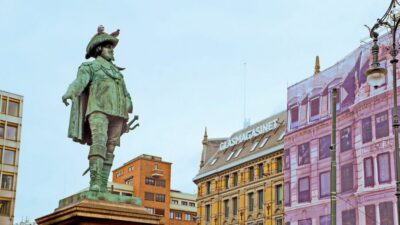

Browse the lists this tour appears in