
REVIEW · HISTORICAL TOURS
Oslo: History, Art and Secrets Tour
Oslo reveals itself on foot. This three to four hour walk links the Royal Palace, waterfront, fortress, opera house, and Munch Museum with stories that make the city easier to understand. I especially like the small groups of up to 10 and the mix of major sights with lesser-known anecdotes. The main tradeoff is the amount of walking, including downhill streets and uneven areas, so it is not suitable for wheelchair users or people with mobility limitations.
I also like that the tour includes entry to the Opera House, scenic viewpoints, and practical local advice. Guides such as Anders, Radu, Luis, Magnus, and Michael have been praised for their humor, care, architecture knowledge, restaurant suggestions, and willingness to help with photos. You should allow close to four hours and wear proper walking shoes.
In This Review
- Key points at a glance
- Why this walking tour works well in Oslo
- Starting at the Royal Palace and Slottsparken
- Aker Brygge and the harbor views
- Oslo City Hall and Karl Johans Street
- Oslo Central Station and the city’s repeated fires
- Akershus Fortress and the old defensive city
- The Oslo Stock Exchange and a look at commerce
- Entering the Oslo Opera House
- The Munch Museum and art in modern Oslo
- Finishing near central Oslo
- Guide quality and the small-group advantage
- Price, walking demands, and who should book
- Should you book the Oslo History, Art and Secrets Tour?
- FAQ
- How long does the Oslo History, Art and Secrets Tour last?
- Where does the tour start?
- Where can the tour finish?
- What languages are available?
- How large is the group?
- Is entry to the Oslo Opera House included?
- Are museum tickets included?
- Is the tour suitable for wheelchair users?
- What should I bring?
Key points at a glance
- A downhill route through central Oslo: Begin near the Royal Palace and finish around the waterfront, central station, or the palace.
- Small groups with several guide languages: Tours are limited to 10 people and may be offered in English, German, Spanish, or Italian.
- A useful first-day introduction: You see many major sights while learning how Oslo changed from its medieval beginnings to its modern form.
- Viewpoints built into the walk: Aker Brygge, the harbor area, and the Opera House provide strong places for photographs.
- Stories beyond the standard landmarks: The tour explains how repeated fires reshaped Oslo and how its architecture rose from those setbacks.
- Good local orientation: Guides have offered restaurant tips, Norwegian food suggestions, and ideas for what to do next.
Why this walking tour works well in Oslo
Oslo is easy to explore on foot, but its story is not always obvious from the streets. A modern waterfront may sit beside a fortress with centuries of military history. A grand boulevard may lead to a railway station that tells you more about the city’s growth than any single museum display.
This tour gives you that framework. You move from the Royal Palace toward the harbor, passing civic buildings, shopping streets, transport hubs, old defensive walls, and new cultural buildings. The route helps connect the pieces instead of treating each sight as an isolated photo stop.
I like the balance between sightseeing and explanation. You are not simply marched from one landmark to another. The guide discusses Oslo’s medieval origins, its repeated destruction by fire, and the changes that followed. That background gives greater meaning to the city’s mix of older buildings and bold modern architecture.
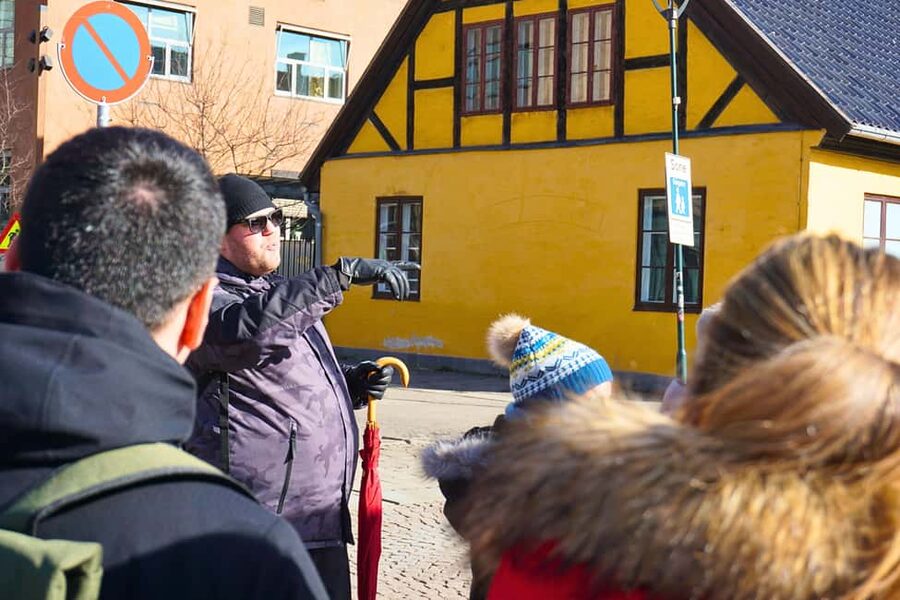
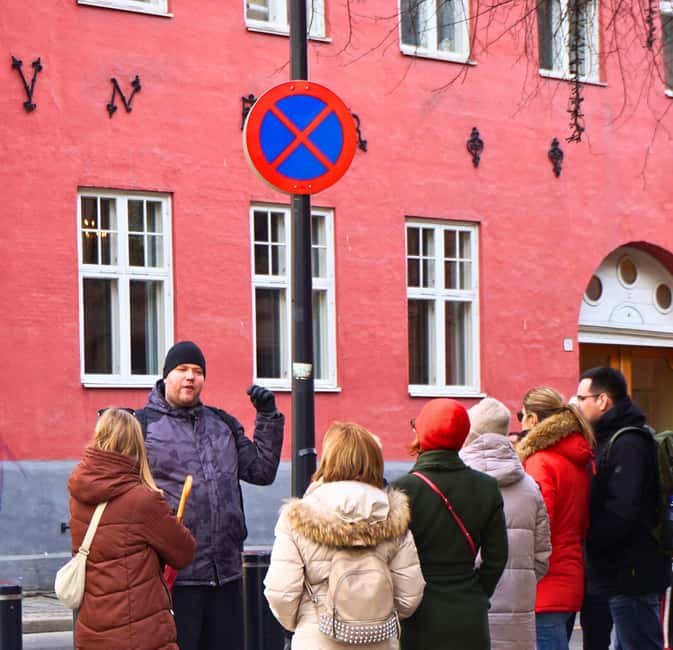
The group limit matters, too. With no more than 10 participants, it should be easier to hear the guide and ask questions than on a large coach tour. Several people have particularly praised Anders for making time for slower walkers, answering questions, and sharing information in a relaxed way. That is useful on a walking tour covering a fair amount of ground.
More History Tours in Oslo
- Oslo: Historic Myths & Legends Evening Walking Tour
★ 4.8 · 408 reviews - Oslo City Walks – Historic River Walk
★ 5.0 · 31 reviews - A Well Balanced History and Food Tour with Focus on the Scandinavian Kitchen
★ 4.5 · 29 reviews
Starting at the Royal Palace and Slottsparken
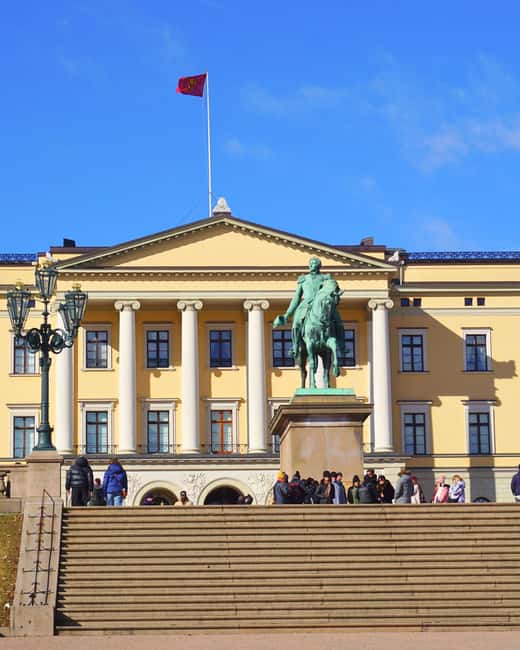
The walk begins at the Royal Palace, in Slottsparken. This is a sensible place to start because it gives you an immediate view of Oslo’s formal, royal side before the route heads downhill toward the water.
The palace area also helps you get your bearings. From here, the tour moves through central streets rather than staying in one small historic quarter. You should expect a broad introduction to the city, with the guide explaining how Oslo developed and how its public spaces changed over time.
The downhill direction is helpful in one sense, since you are not climbing toward the palace at the end. It also means comfortable shoes are important from the first minute. Bring water, dress for the weather, and do not count on Oslo staying dry simply because the sky looks calm at the meeting point.
The exact starting point can vary according to the option you book. Check your confirmation carefully, especially if you are trying to meet the group between a train arrival and another activity.
Aker Brygge and the harbor views
Aker Brygge brings the tour to Oslo’s waterfront. The walk here takes about 10 minutes, followed by guided sightseeing and a chance to take in the harbor setting.
This part is valuable because it shows Oslo as a port city, not just a capital of government and museums. The waterfront provides open views and a change of pace after the palace district and central streets. It is one of the better places to bring your camera, particularly if you want photographs that show the relationship between the city and the fjord.
The guide may also use this stretch to explain how Oslo has changed in modern times. You get a sense of the city’s move toward public waterfront spaces and new cultural buildings. The appeal is visual, but the context is what makes the stop worthwhile.
Aker Brygge is also a practical orientation point. If you are staying in central Oslo, this walk helps you understand where the harbor sits in relation to Karl Johans Street, the fortress, and the Opera House.
Oslo City Hall and Karl Johans Street
At Oslo City Hall, the tour pauses for photographs and a short explanation. The stop is listed at about 10 minutes, so think of it as a focused introduction rather than a full visit inside the building.
City Hall is an important civic marker, and its position near the harbor makes it a natural bridge between the waterfront and the city center. Your guide can help you notice the building’s public role and place it within Oslo’s wider story.
The route then reaches Karl Johans Street, Oslo’s main ceremonial and shopping avenue. This is a 15-minute walking and sightseeing segment, with another opportunity for photographs.
Karl Johans Street gives you a clearer feel for the capital’s everyday center. It links major institutions and public spaces, so it is a useful place to hear about Oslo’s political and urban development. You may find the street busier than the palace park or waterfront, and the walking pace can feel less relaxed here. Still, it is one of the key streets you would likely want to understand during a first visit.
The guide’s stories are especially useful on this sort of street. Without context, a central avenue can become just another place to walk. With a local explaining the people, changes, and incidents connected to it, the route becomes more memorable.
A completely different kind of day:
- Oslo: Scenic Fjord Cruise with Audio Guide Commentary
★ 4.5 · 5,375 reviews - Oslo Nature Walks: Island Hopping Tour
★ 4.8 · 2,713 reviews - Oslo: 100% Electric Oslofjord Sightseeing Cruise
★ 4.4 · 2,041 reviews - Oslo: Fjord Evening Cruise with Shrimp Buffet
★ 4.5 · 1,956 reviews
Oslo Central Station and the city’s repeated fires
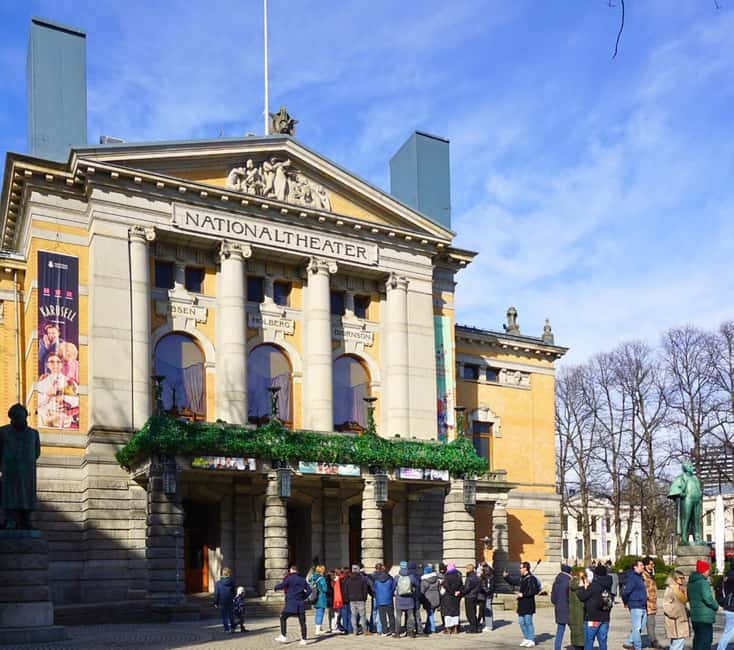
Oslo Central Station receives a 15-minute photo and sightseeing stop. This is more than a transport checkpoint. The station area shows how the capital connects its historic center with the wider country and gives you a useful landmark for later independent exploring.
The tour’s discussion of Oslo’s fires is one of its most interesting themes. The city was nearly destroyed by fire several times over the last hundred years, and those disasters affected both its buildings and its identity. Hearing about this while walking through the present-day center helps explain why Oslo can feel like a city rebuilt and reshaped many times.
I appreciate this kind of story because it moves beyond dates and famous names. Fire is not just an event in a textbook. It changes streets, building materials, public planning, and the way a city remembers its past. The guide connects those changes to what you are seeing around you.
Central Station is also one of the possible end points, so pay attention to the route. If you are leaving Oslo by train, finishing here could be convenient. If your tour ends elsewhere, the station remains an easy place to remember for navigation.
Akershus Fortress and the old defensive city
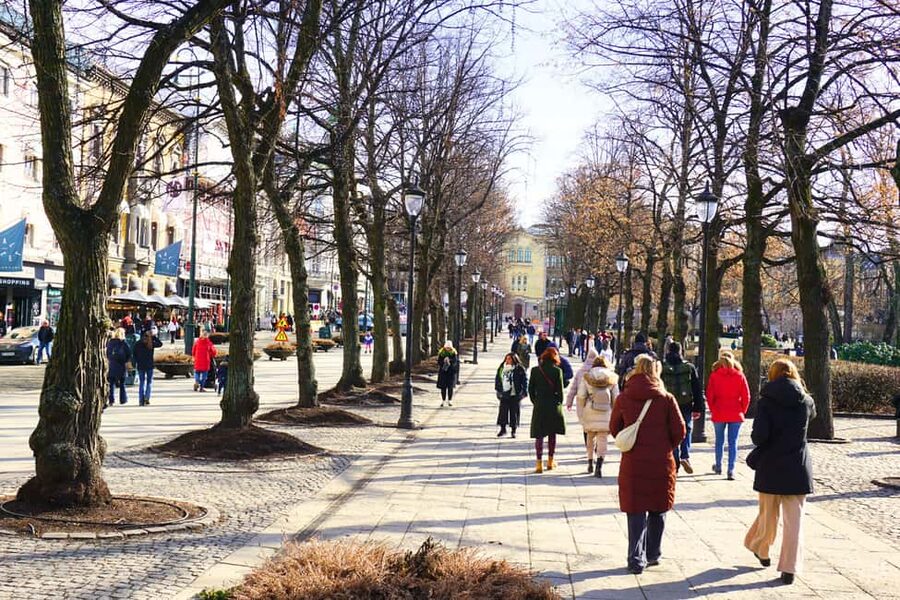
Akershus Fortress is one of the most substantial stops on the route. You get a guided walk, sightseeing, and a photo opportunity, with about 15 minutes set aside for the visit.
The fortress gives the tour a strong link to Oslo’s older past. Its walls and position beside the harbor make it easier to picture Oslo as a defended settlement rather than only a modern Scandinavian capital. The setting also provides another change in scenery, with the waterfront close by and the city spread around it.
Do not expect a full museum visit here. The activity is a guided outdoor stop, and museum admission is not included. If you want to explore indoor collections later, you will need to arrange and pay for those separately.
The fortress can also be one of the more demanding parts for anyone who finds walking difficult. The activity is not suitable for people with mobility impairments or wheelchair users. If you walk comfortably but prefer a slow pace, mention that to your guide. Anders has been praised for keeping slower walkers included and allowing time for questions.
The Oslo Stock Exchange and a look at commerce
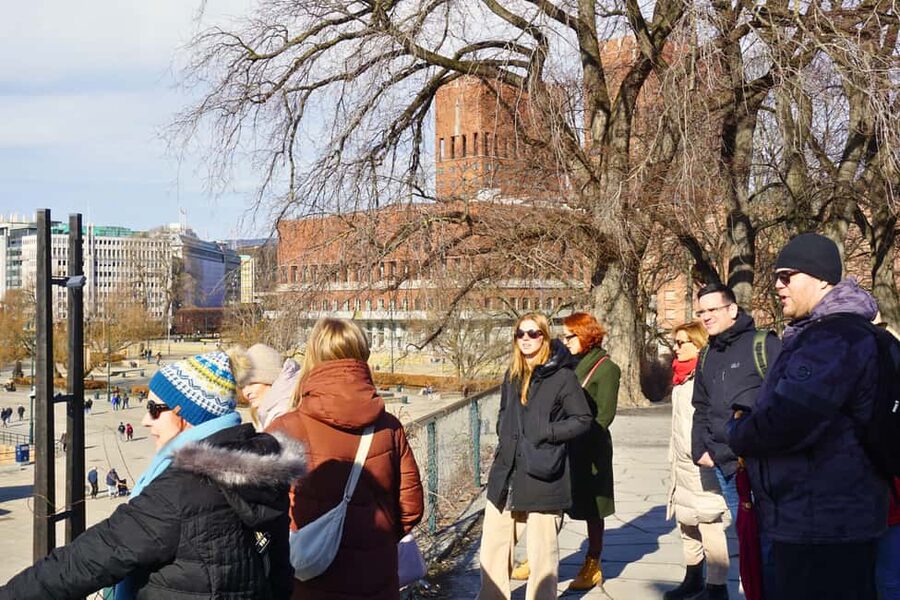
The Oslo Stock Exchange is a shorter sightseeing and photo stop of about 15 minutes. It may not be the first place you would choose for a city photograph, but it adds useful variety to the tour.
After the palace, civic buildings, fortress, and cultural venues, the exchange points toward Oslo’s commercial life. It helps show that the city is not only about royal spaces and museums. A good city tour should explain how people work, trade, travel, govern, and live, and this stop adds one part of that picture.
The value here depends heavily on the guide. A building can seem ordinary if you do not know why it matters. This is where a guide with a strong grasp of architecture and urban history can make a difference. Michael has been praised for his explanations of Oslo’s architecture and past, while several people singled out the guides’ ability to make information entertaining without losing the serious points.
Entering the Oslo Opera House
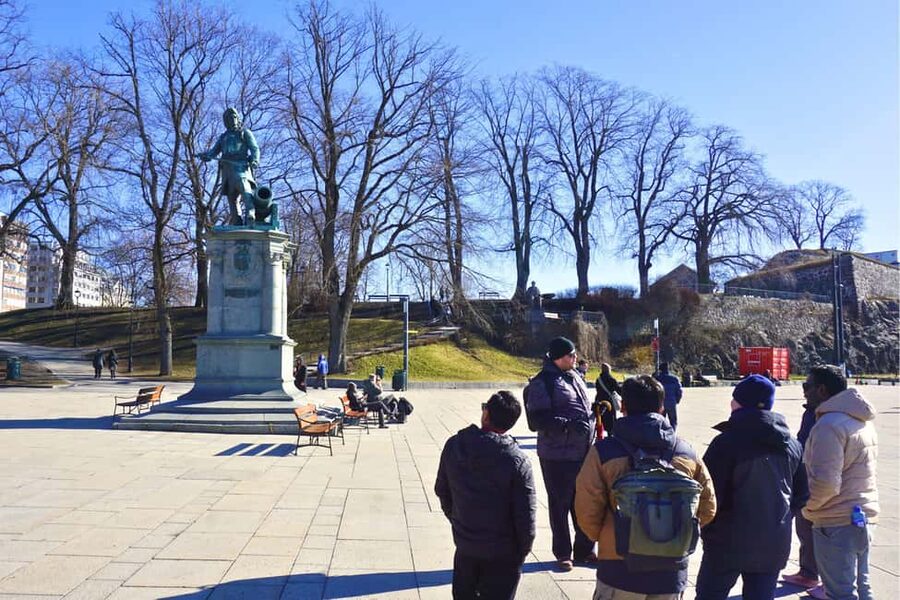
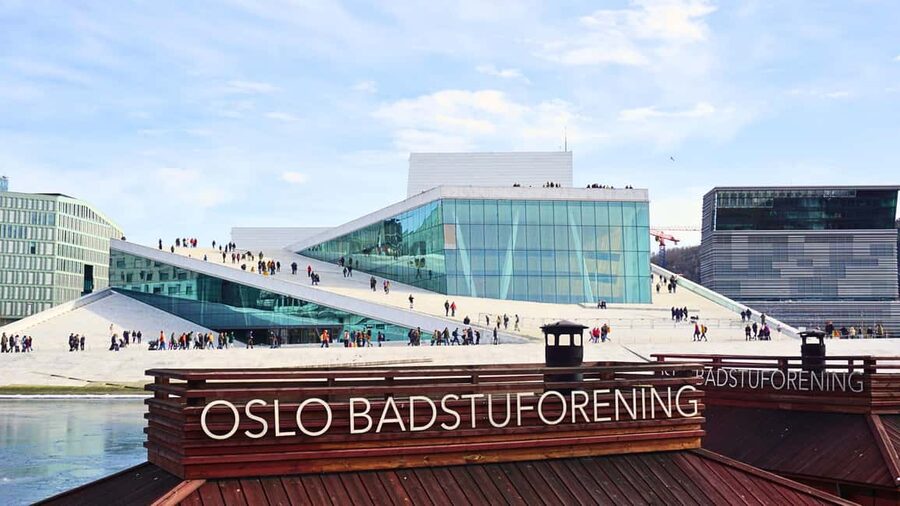
The Opera House is the tour’s most hands-on cultural stop. You get a break, time for photographs, a visit, and guided commentary, with about 15 minutes planned here. Entry to the Opera House is included, while tickets for museums are not.
This is one of the clearest practical advantages of the experience. You do not only view the building from the outside. You enter and get a better sense of its design and public purpose. The location by the water also makes it one of Oslo’s strongest photo stops.
The break is welcome. By this stage, you have covered several central districts, and a pause gives you time to drink water, take photos, and catch up with the group. One account describes a cozy coffee break and time to refill water, although you should not treat a purchased drink as a guaranteed part of every tour.
The Opera House stop also shows the contrast that defines much of Oslo. Akershus represents defense and older power. The Opera House represents a newer idea of culture as a public space. The route makes that contrast easy to see in a single day.
The Munch Museum and art in modern Oslo
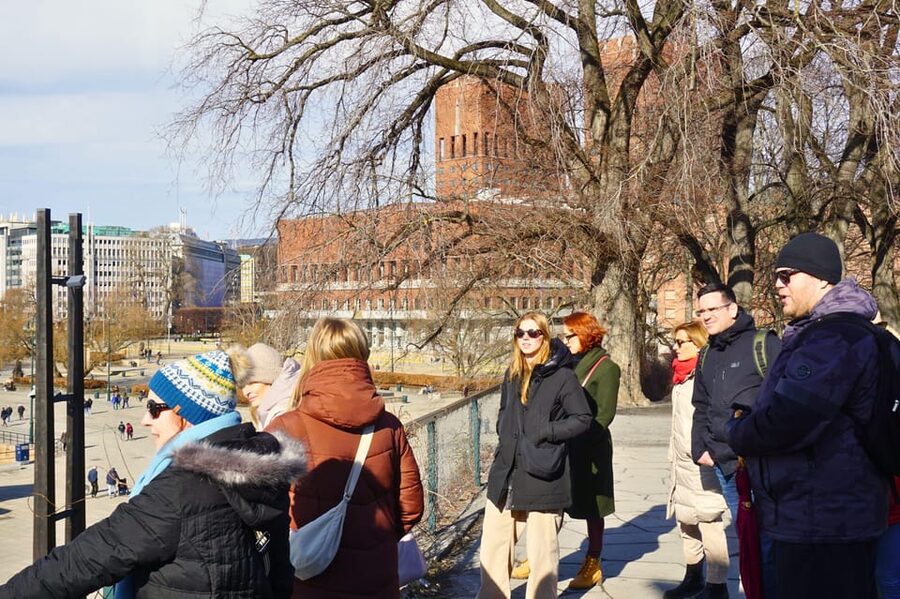
The Munch Museum is the final major sightseeing stop. The tour includes a photo stop and guided explanation, but museum entry is not included.
That distinction is important. You will learn where the museum fits into Oslo’s art scene and see the building from the outside, but you should plan a separate visit if you want to view the collections. The tour works well as an introduction, especially if you are deciding how to spend another afternoon.
The art section adds another layer to the route. Oslo’s story is not only about medieval origins, fire, government, and shipping. It is also about the city’s modern cultural identity. The Munch Museum helps bring that part of Oslo into the walk without turning the activity into a full museum tour.
If art is your main reason for visiting Oslo, do not use this experience as a substitute for museum time. Use it to get oriented, then return independently with enough time for the galleries.
Finishing near central Oslo
The tour can finish at Oslo Central Station, The Broker, or the Royal Palace. That choice is useful because each ending suits a different plan.
Central Station works well if you are catching a train or want to continue around the city by public transport. The Royal Palace brings you back near the starting area and can suit anyone staying in the central district. The Broker is another listed drop-off point, though the exact practical convenience depends on your hotel and plans.
The walk lasts three to four hours, with starting times available according to the date you choose. Build in a little flexibility afterward. The guides often allow questions and time for slower walkers, so the experience may feel closer to four hours than three.
Guide quality and the small-group advantage
The strongest part of this experience is the guide-led storytelling. The ratings are high at 4.7 from 62 reviews, and the praise is quite consistent: clear explanations, friendly manner, good local tips, and an ability to keep the group involved.
Anders receives especially warm attention for combining history with humor, looking after all members of the group, and suggesting restaurants at different budgets. Another guide, described as a professional chef, offered advice on traditional Norwegian food. That sort of tip can be more useful than a generic restaurant list because it connects the tour to the rest of your stay.
Radu was praised for covering many of Oslo’s best sites, while Magnus led a relaxed walk. Luis also received thanks for making the experience memorable. Since guide assignments can vary, you should book for the route and format rather than expecting one named guide.
The small group helps preserve the personal feel. You can ask about architecture, history, food, or what to do next. Some groups may be as small as three people, which can make the experience feel close to a private walk. That cannot be guaranteed, but the 10-person maximum is a real benefit.
Price, walking demands, and who should book
At $41 per person, the tour offers reasonable value if you want a broad first look at Oslo. You receive a three to four hour guided walk, a local guide, viewpoints, major central landmarks, entry to the Opera House, and help understanding how the city developed.
The price is less attractive if you plan to see only one or two sights or prefer to explore at your own pace. Museum admission is not included, so budget separately for the Munch Museum or other indoor attractions.
I would book this for a first day in Oslo, especially if you want to get oriented quickly. It suits couples, solo visitors, friends, and small families who can manage several hours on foot. It is also a good choice if you enjoy stories and questions more than a rigid list of facts.
I would think twice if you have mobility limits, dislike walking in changing weather, or want extensive time inside museums. The route covers a large central area, and the stops are short. You see a lot, but you do not linger long at each place.
Cancellation is flexible up to 24 hours before the tour for a full refund, and you can reserve now and pay later. Those terms are useful when your Oslo plans are still shifting, but the practical essentials remain simple: comfortable shoes, water, weather-appropriate clothing, and a camera.
Should you book the Oslo History, Art and Secrets Tour?
Book it if you want a lively introduction to Oslo that combines the palace district, harbor, fortress, civic center, opera house, and art scene in one walk. The best reason to choose it is the storytelling, especially the explanation of Oslo’s fires and the city’s repeated rebuilding.
You will get the most from it on your first day, then use the guide’s restaurant and sightseeing tips to shape the rest of your visit. If you want deep museum time or a slow architectural study, choose separate visits afterward. For a small-group overview with strong local color and good views, this is a solid use of half a day.
FAQ
How long does the Oslo History, Art and Secrets Tour last?
The tour lasts approximately three to four hours. Starting times vary, so check availability for the date you want.
Where does the tour start?
The starting point may vary depending on the option booked. The listed starting location is the Royal Palace in Slottsparken.
Where can the tour finish?
The listed drop-off locations are Oslo Central Station, The Broker, and the Royal Palace.
What languages are available?
The live guide may lead the tour in English, German, Spanish, or Italian.
How large is the group?
The tour is limited to 10 participants. Some departures may be smaller.
Is entry to the Oslo Opera House included?
Yes. Entry to the Opera House is included in the activity.
Are museum tickets included?
No. Tickets for museums, including the Munch Museum, are not included.
Is the tour suitable for wheelchair users?
No. The activity is not suitable for wheelchair users or people with mobility impairments.
What should I bring?
Bring comfortable walking shoes, water, a camera, and clothing suited to the weather.
Just added in Oslo
- Oslo Winter Highlights Bike Tour★ 5.0 · 36 reviews
- 4 hours Best View of the Oslofjord Winter Edition★ 4.0 · 15 reviews
- The Ultimate Study of the Human Form at Vigeland’s Sculpture Park with a Local★ 4.0 · 14 reviews
- Unknown war. Oslo and Norway during 1940-45★ 5.0 · 74 reviews
- Top of Oslo Snowshoe Tour★ 5.0 · 2 reviews
- The Scenic Roadtrip, Oslo to Bergen via Flam & the Fjords★ 5.0 · 25 reviews
- The Viking Planet Museum – Mini Group (4 adults)★ 4.0 · 16 reviews
- The Oslo Beer Adventure★ 4.5 · 11 reviews
Historical Tours, compared.

Reindeer Camp and Sami Cultural Tour with Lunch
Read our review →

Sightseeing Cruise of Bergen’s Historic Landmarks
Read our review →

A Well Balanced History and Food Tour with Focus on the Scandinavian Kitchen
Read our review →Browse the lists this tour appears in