
REVIEW · TICKETS
Norsk Folkemuseum Oslo Private Tour & Skip-the-Line Tickets
Norway’s past is waiting outdoors. I like the chance to see Gol Stave Church alongside more than 150 relocated historic buildings, and I value having a private guide explain the museum’s crafts, customs, and Sámi displays. The main drawback is that two hours can feel short, especially if some buildings are closed or you want time for every exhibit.
At $196.84 per person, this is not a budget museum visit. You are paying for a private, English-speaking guide, pre-booked admission, and a tour shaped around your group’s interests. I would consider it most useful for first-time visitors who want context quickly, but less appealing if you prefer to wander alone at your own pace.
In This Review
- Key points to know before you book
- Why Norsk Folkemuseum deserves time in Oslo
- Meeting your guide at Museumsveien 10
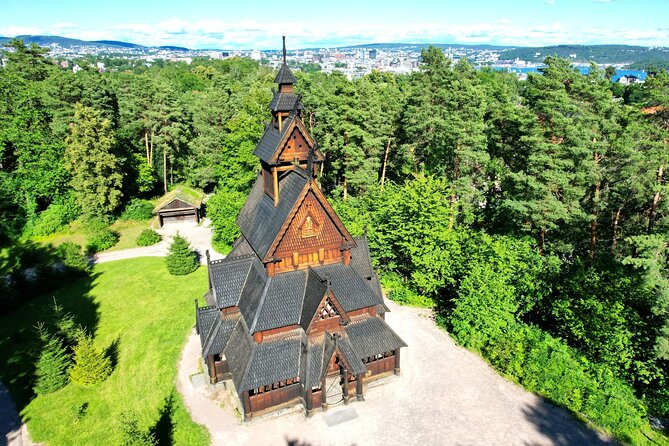
- Gol Stave Church and Norway’s wooden past
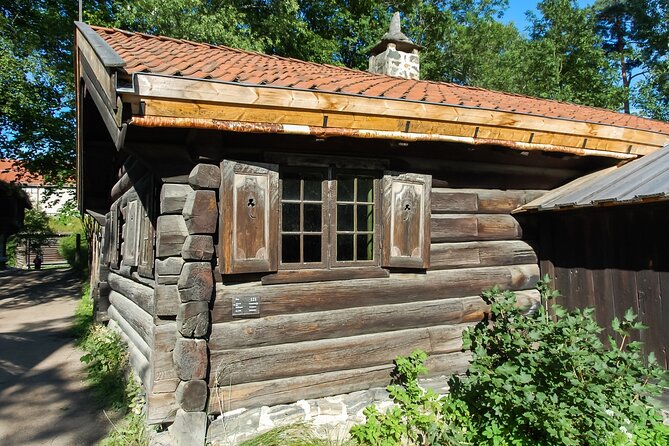
- More than 150 historic buildings outdoors
- Traditional crafts, folk art, and Sámi culture
- How much can you really see in two hours?
- The guide can make or break the visit
- Is $196.84 per person good value?
- Weather, clothing, and simple planning tips
- Who will enjoy this private Oslo tour?
- Should you book Norsk Folkemuseum with a private guide?
- FAQ
- How long does the Norsk Folkemuseum private tour last?
- Where does the tour begin and end?
- Does the ticket let me skip all lines?
- Are food and drinks included?
- Is this a private activity?
- What happens if it rains or the weather is icy?
Key points to know before you book

- Gol Stave Church is the visual highlight: This 13th-century wooden church offers intricate carvings and a close look at Norway’s medieval building tradition.
- The museum is much bigger than one building: More than 150 relocated structures represent Norwegian life across different periods.
- The private format gives you flexibility: Your guide can focus on Vikings, crafts, folk art, Sámi culture, or other interests within the two-hour visit.
- Skip-the-line has a limit: Your ticket lets you bypass the ticket office queue, but not the entrance or security checks.
- Good guides make a real difference: Lisa and Mari received especially warm praise, while one poorly prepared guide led to a disappointing visit.
- Plan for outdoor walking: The tour runs in sun, rain, snow, or ice, so comfortable shoes and suitable clothing matter.
Why Norsk Folkemuseum deserves time in Oslo
Norsk Folkemuseum is the place to go when you want more than grand royal rooms and famous paintings. It presents everyday Norway: homes, farms, workshops, religious buildings, clothing, tools, decorative work, and local customs.
That focus gives you a better feel for how people lived, worked, and worshiped. Instead of looking at a single period, you move through several chapters of Norwegian life. The open-air setting also helps you understand how buildings functioned, not just how they looked behind glass.
I like this approach because it turns cultural history into something physical. You can see the size of a farmhouse, the shape of a church, and the materials used by craftspeople. A guide adds the missing links, explaining why a detail matters and how it fits into Norway’s wider story.
The museum grounds are broad, and the tour includes plenty of walking. Two hours is enough for a focused introduction, but it is not enough to inspect every building or read every display. If you are the sort of person who stops at every object, you will probably want to return on your own after the guided visit.
A few more options to weigh up in Oslo
- Oslo: Scenic Fjord Cruise with Audio Guide Commentary
★ 4.5 · 5,375 reviews - Oslo Nature Walks: Island Hopping Tour
★ 4.8 · 2,713 reviews - Oslo: 100% Electric Oslofjord Sightseeing Cruise
★ 4.4 · 2,041 reviews
Meeting your guide at Museumsveien 10
The tour begins at the main entrance at Museumsveien 10, 0287 Oslo. Your guide meets you on the left side of the entrance. Do not go inside on your own while waiting, since the guide needs to gather your group before you enter.
This sounds minor, but it is useful advice. Large museum entrances can be confusing, especially if you arrive early and see people heading toward the ticket area. Keep your phone available, check the message sent the day before, and look for your guide on the left side of the main entrance.
The museum is near public transportation, which makes the meeting point practical for a day of sightseeing in Oslo. The tour ends back at the same meeting point, so you do not need to arrange a separate pickup or figure out a new location afterward.
The activity is private, meaning only your group participates. That is a real advantage here. The grounds contain many possible subjects, and a private guide can adjust the pace rather than giving the same speech to a large crowd.
Gol Stave Church and Norway’s wooden past
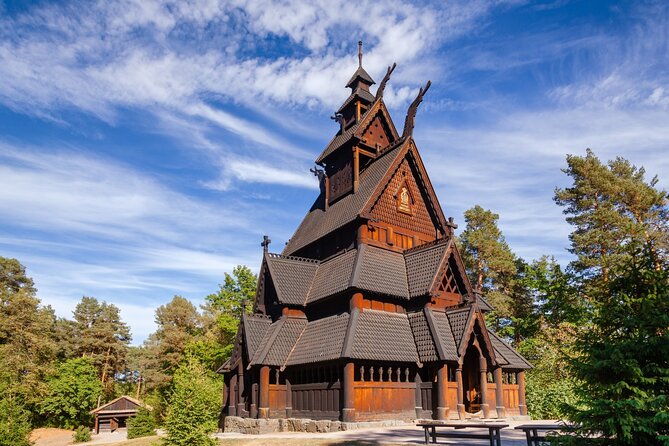
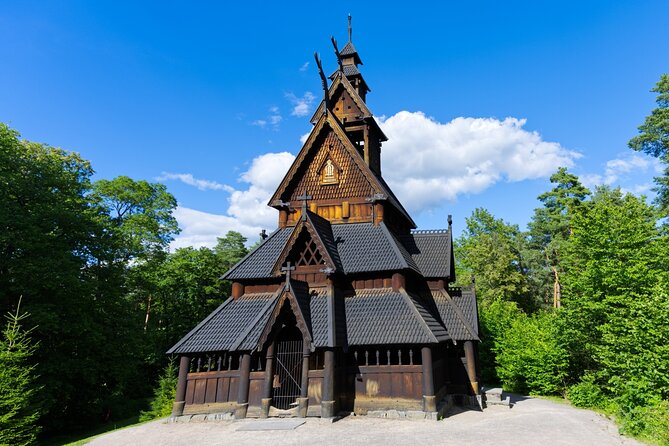
The first major stop is Gol Stave Church, a 13th-century structure known for its carved wood and medieval design. It is one of the most memorable sights at Norsk Folkemuseum, and the planned visit allows about 50 minutes in this part of the grounds.
Stave churches are important because they show how Norwegian builders worked with wood on a grand scale. The church’s dark timber, layered roof forms, and carved details create a strong sense of age. You do not need to be an architecture expert to appreciate it. The building makes an immediate impression.
Your guide can help you read the carvings and explain the church’s place in Norwegian culture. Without that context, you may simply see an old wooden building. With a good explanation, the structure becomes evidence of changing beliefs, building skills, and local traditions.
The church also gives you a useful starting point for the rest of the museum. After seeing a major religious building, you can compare it with homes, work areas, and other structures scattered across the grounds.
One practical caution: conditions can affect how comfortably you reach and explore the site. One visitor found heavy ice made walking difficult. Since this is an outdoor museum, winter weather can turn a pleasant stroll into a careful trip. Wear shoes with solid grip and allow extra time if the forecast calls for ice, rain, or snow.
More than 150 historic buildings outdoors
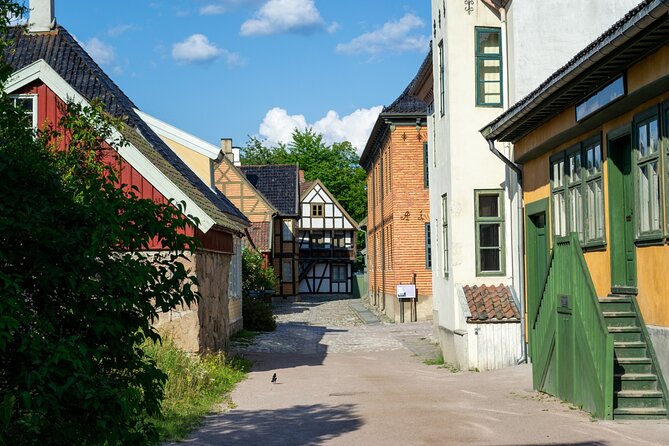
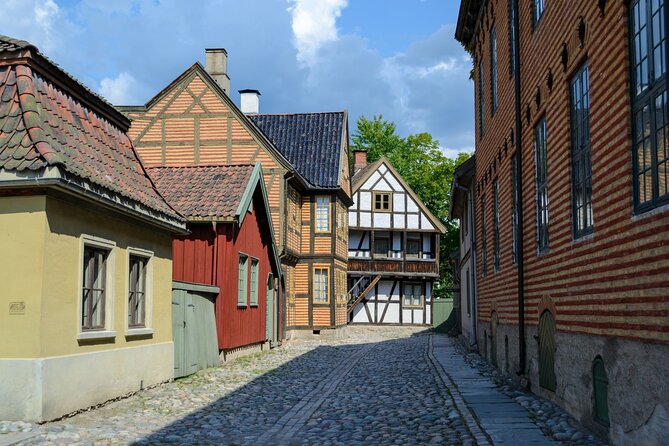
The open-air museum contains over 150 relocated buildings from different periods and parts of Norway. Relocating historic structures is a major undertaking, and the result gives you a rare chance to see traditional building types together in one place.
The value is not only visual. The buildings help you compare ways of living. A church tells one story, while a home, workshop, or farm building tells another. As you walk between them, you get a sense of how work, faith, family life, and local skills were connected.
This is also where the private guide can save you time. You could spend hours choosing paths and reading signs, but a guide can point you toward the structures that best match your interests. If you are curious about Vikings, you can ask for more historical context. If you prefer architecture, crafts, or domestic life, say so at the start.
Some buildings may be closed during your visit. That is an important limitation, especially if you have a particular structure in mind. You can still view the exterior and continue through the grounds, but you may not be able to step inside everything shown in the museum area.
I would not book this tour expecting a completely fixed parade from one open interior to another. Treat it as a guided introduction to a large cultural site, with access shaped by current conditions and museum operations.
A completely different kind of day:
- Oslo: Fjord Evening Cruise with Shrimp Buffet
★ 4.5 · 1,956 reviews - Oslo: 3-Hour Highlights Bike Tour
★ 4.8 · 1,609 reviews - Oslo: 24 or 48-Hour Hop-On Hop-Off Sightseeing Bus Ticket
★ 4.1 · 1,470 reviews - Oslo: Guided Sightseeing Fjord Cruise on Premium Silent Boat
★ 4.7 · 1,390 reviews
Traditional crafts, folk art, and Sámi culture
The indoor museum portion lasts about an hour and covers traditional Norwegian crafts, folk art, textiles, woodworking, and related displays. This section balances the outdoor buildings with objects that show the skill and patience behind everyday life.
Textiles can reveal patterns, materials, and regional habits. Woodworking shows how practical objects could also carry decoration and meaning. A guide can make these displays easier to understand by explaining what an item was used for and why the workmanship mattered.
The Sámi exhibit adds another essential part of Norway’s cultural story. It focuses on the heritage and traditions of Norway’s Indigenous Sámi people. If you are interested in the country beyond its familiar Viking image, this display deserves your attention.
The tour can be adapted to your interests, so tell your guide what you want to see. A family may prefer stories and visual objects. A history-minded couple may want more time with religious buildings and early Norwegian life. Someone interested in design may want to focus on textiles, folk art, and woodworking.
The museum also hosts cultural events at different times, including live folk music performances. These events are not presented as a guaranteed part of the two-hour tour, so check what is scheduled if music is important to you. When available, live performance can add sound and movement to a museum visit that might otherwise feel mainly visual.
How much can you really see in two hours?
The advertised duration is about two hours. That is a sensible length for a guided introduction, but the museum itself can easily hold your attention longer.
The first 50 minutes focus on Gol Stave Church and the open-air grounds. The final hour turns to museum exhibits and cultural displays. That division gives you both architecture and objects, but it also means the guide must keep a steady pace.
I like the two-hour format for a busy Oslo schedule. You can fit it into a morning or afternoon without giving up an entire day. It works well if you want a strong overview before exploring other parts of the city.
Still, you should decide what matters most before you arrive. You may not have time to study every building, linger at every display, and stop for refreshments. Tell your guide early if you have a priority, since the private format is most useful when you make your interests clear.
The tour ends at the starting point, which makes it easy to continue your day. You can buy food and drinks at Café Arkadia near the main entrance or Piperviken Cafe in the middle of the open-air museum. Food is not included, so plan to purchase it separately if you need a break.
The guide can make or break the visit
A private museum tour depends heavily on the person leading it. The strongest feedback here centers on guides who made the setting come alive and adjusted the visit to the group.
Lisa was praised for explaining Norway and its past in an engaging way. Mari also made a strong impression by sharing a great deal of information while shaping the tour around what the group wanted to enjoy. Those examples show the best reason to choose a private visit: you are not locked into a generic script.
There is also a clear warning. One visitor described a guide who seemed inexperienced, appeared lost, spent too much time taking personal photographs, and offered little historical explanation. That kind of uneven performance matters because the guide is a large part of what you are paying for.
The overall rating is 4.4 out of 5 from 15 ratings, with several very positive accounts and one notably poor experience. I would read that as a good but not flawless signal. Guide quality can vary, so use the meeting time to explain what you hope to learn and speak up if the pace or focus is not working for you.
Is $196.84 per person good value?
At $196.84 per person, the tour costs far more than visiting the museum independently. The price makes sense only if you value private attention and expert interpretation.
You receive pre-booked museum admission, a licensed guide fluent in your chosen language, information about Norwegian history and folk culture, and practical advice about Oslo. You also avoid spending time at the ticket office. Those benefits are useful on a short city break, especially if you want a clear introduction without planning your own route.
The skip-the-line feature needs careful reading. It allows you to skip the ticket office line, but it does not let you bypass entrance procedures or security checks. You may still wait at the actual entrance, so do not expect instant access from the street.
For a family or small group, the private format may offer better value because everyone can ask questions and the guide can adjust the visit. Group discounts may also be available, though the exact saving is not specified here.
For solo visitors or couples who enjoy reading signs and wandering independently, the price may feel high. The museum’s appeal is strong enough that self-guided exploration can work well, particularly if you have plenty of time. I would pay for this tour when context, convenience, and a private pace matter more than keeping costs low.
Weather, clothing, and simple planning tips
This is a walking tour, not a quick indoor museum stop. The route includes open-air grounds, and the tour runs in sun and rain rather than being canceled simply because the weather is poor.
Check the forecast and dress for the conditions. Comfortable walking shoes are essential, and winter visitors should take icy paths seriously. A dry, bright day will make the grounds more pleasant, but poor weather does not erase the value of the church or exhibits.
Food and drinks are excluded. Café Arkadia is by the main entrance, while Piperviken Cafe is located in the middle of the open-air museum. You can plan a quick purchase around the visit, but do not assume refreshments are part of the booking.
Confirmation arrives at booking, and you should check your email the day before for important instructions. Free cancellation is available if you cancel at least 24 hours before the local start time. Changes or cancellations made later are not accepted for a refund.
Who will enjoy this private Oslo tour?
I would recommend it to first-time Oslo visitors who want cultural background without spending hours planning a museum route. It is also a good match for families, couples, and small groups with specific interests.
You will get the most from it if you like asking questions. The private setting gives you room to focus on Vikings, Norwegian crafts, folk art, architecture, or Sámi culture instead of following a fixed lecture.
History and design enthusiasts should appreciate the combination of buildings and objects. People who mainly want a fast indoor attraction may find the walking and outdoor sections less convenient.
The tour is also useful as an opening activity in Oslo. One particularly positive response described it as a good first tour because it introduces the country’s buildings, customs, and cultural traditions in one visit. I agree with that logic. It gives you background that can make later sightseeing more meaningful.
Should you book Norsk Folkemuseum with a private guide?
Book it if you want a focused introduction to Norwegian culture, care about having a guide to explain what you are seeing, and can accept the premium price. Gol Stave Church, the open-air buildings, traditional crafts, and Sámi displays give the visit plenty of substance.
Skip it if you prefer complete independence, need a low-cost activity, or want enough time to inspect every building. Two hours is useful but limited, and some buildings may be closed.
My advice is to book this tour for your first look at Norsk Folkemuseum, especially if you have only a short stay in Oslo. Tell the guide your priorities at the start, wear shoes suited to the weather, and keep your expectations realistic about skip-the-line access. With a strong guide such as Lisa or Mari, this can be an excellent way to connect Norway’s buildings, objects, and living traditions.
FAQ
How long does the Norsk Folkemuseum private tour last?
The tour lasts approximately two hours. About 50 minutes are allocated to Gol Stave Church and the open-air grounds, followed by about one hour in the museum exhibits.
Where does the tour begin and end?
The tour begins at the main entrance at Museumsveien 10, 0287 Oslo. Your guide meets you on the left side of the entrance, and the activity ends back at the same meeting point.
Does the ticket let me skip all lines?
No. The pre-booked ticket lets you skip the line at the ticket office. It does not allow you to skip the entrance line or security checks.
Are food and drinks included?
No. You can buy food and drinks at Café Arkadia near the main entrance or Piperviken Cafe in the middle of the open-air museum.
Is this a private activity?
Yes. Only your group participates in the private tour, and the guide can tailor the visit to your interests.
What happens if it rains or the weather is icy?
The tour takes place in sun and rain as planned, so you should check the forecast and dress appropriately. Comfortable shoes are recommended, and extra care is sensible during icy conditions.
Just added in Oslo
- Oslo Winter Highlights Bike Tour★ 5.0 · 36 reviews
- 4 hours Best View of the Oslofjord Winter Edition★ 4.0 · 15 reviews
- The Ultimate Study of the Human Form at Vigeland’s Sculpture Park with a Local★ 4.0 · 14 reviews
- Unknown war. Oslo and Norway during 1940-45★ 5.0 · 74 reviews
- Top of Oslo Snowshoe Tour★ 5.0 · 2 reviews
- The Viking Planet Museum – Mini Group (4 adults)★ 4.0 · 16 reviews
- The Scenic Roadtrip, Oslo to Bergen via Flam & the Fjords★ 5.0 · 25 reviews
- The Oslo Beer Adventure★ 4.5 · 11 reviews
Tickets, compared.
Midnight Concert Ticket at the Tromsø Cathedral
Read our review →


Troll Museum Entry Ticket with AR Media Experience
Read our review →
Browse the lists this tour appears in