
REVIEW · MUSEUMS
Kon-Tiki Museum Entrance Ticket
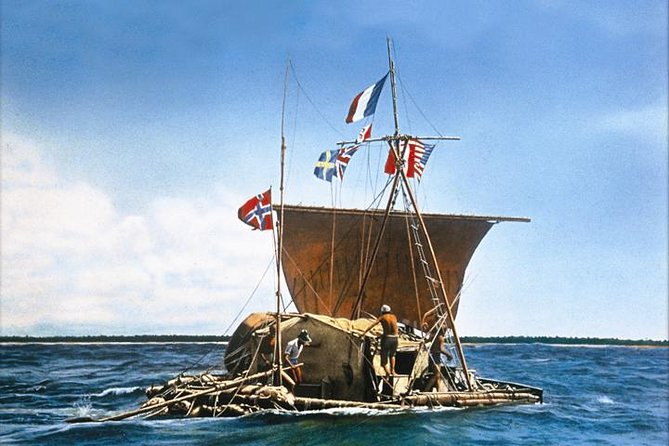
Adventure is the main exhibit here. The Kon-Tiki Museum brings Thor Heyerdahl’s daring 1947 Pacific crossing to life with the original Kon-Tiki raft, expedition films, artifacts, and displays on Easter Island, the Galapagos, Ra, and Tigris. I like the chance to see the real vessel up close, and I like how easily this visit fits with the Fram Museum next door. The main drawback is that some displays may feel dated, especially if you expect a highly interactive modern museum.
I also like the museum’s strong family appeal. An 11-year-old reportedly found it the best museum in Oslo, while adults can spend time with Heyerdahl’s research, crew stories, and ocean voyages. The advertised visit takes about one hour, but I would allow closer to two hours if you want to read the displays, watch the film, and explore every section at a comfortable pace.
In This Review
- Key points before you go
- Why Thor Heyerdahl’s story still works
- The original Kon-Tiki raft is the essential stop
- Films add the drama that displays cannot
- From Ra and Tigris to Easter Island and the Galapagos
- The cave, whale shark, and extra details
- A practical Bygdøy stop beside the Fram Museum
- Is $19.42 good value?
- How long should you spend inside?
- What could disappoint you?
- Who will enjoy this museum most?
- Should you book the Kon-Tiki Museum ticket?
- FAQ
- How much does admission to the Kon-Tiki Museum cost?
- How long does a visit to the museum take?
- When is the Kon-Tiki documentary shown?
- Is transportation included with the ticket?
- Can I visit the Fram Museum at the same time?
- Can I cancel the ticket for a refund?
Key points before you go
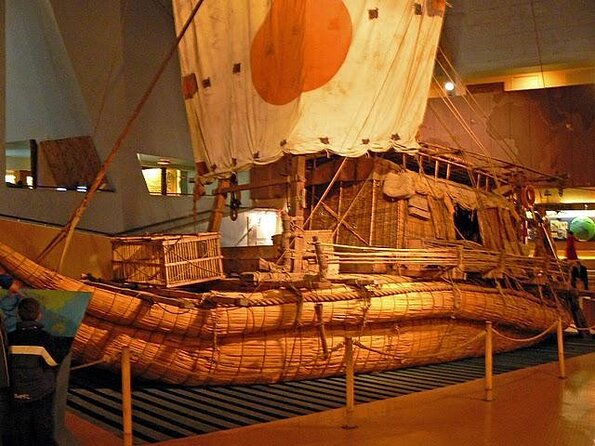
- The original Kon-Tiki raft is the star: You see the actual balsawood craft used during Heyerdahl’s 1947 Pacific expedition.
- Plan around noon: The original Oscar-winning Kon-Tiki documentary is screened daily at 12:00 p.m.
- Allow more than one hour: The basic visit can be short, but the film, cave, library, and detailed exhibits can stretch your time to two hours.
- Pair it with the Fram Museum: The two museums sit next to each other, making this a useful stop on Oslo’s Bygdøy museum visit.
- Good for mixed ages: The large boats, dramatic voyages, films, and readable displays give children and adults different ways to enjoy the museum.
- Admission costs $19.42 per person: That is fair if you watch the film and take time with the exhibits, but less compelling for a very quick visit.
Why Thor Heyerdahl’s story still works
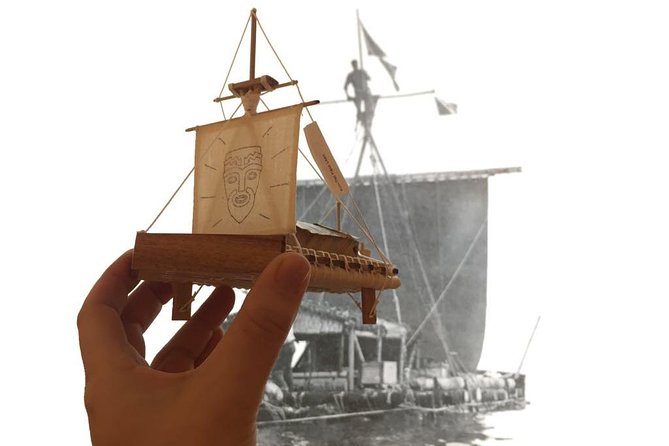
Thor Heyerdahl became famous by attempting something that sounded almost impossible. In 1947, he crossed the Pacific Ocean on a raft made from balsa wood, arguing that ancient South American people could have reached Polynesia by sea.
The Kon-Tiki expedition was not just a long boat trip. It was a test of an idea, carried out with a fragile craft and a small crew. The museum lets you look at the raft and consider the practical reality of that voyage: limited space, open water, basic equipment, and no modern comfort.
I find that physical scale especially useful. A written account can make an ocean crossing feel abstract. Standing near the raft makes the expedition feel cramped and exposed. One display detail that catches the imagination is how little room the crew had during the journey.
Heyerdahl later made more spectacular voyages on reed boats, including Ra and Tigris. His work touched archaeology, anthropology, ocean travel, and public debate about early migration across the seas. The museum does not treat him only as a daring sailor. It also presents his research foundation, his theories, his colleagues, and the expeditions that followed Kon-Tiki.
That wider context gives the visit more weight. You are not simply looking at an old boat. You are seeing the tools used in a long-running attempt to challenge accepted ideas about how people moved across the Pacific and between other distant places.
More Museum Tours in Oslo
- Oslo: Paradox Museum Entry Ticket
★ 4.3 · 799 reviews - The Fram Museum Admission Ticket
★ 4.5 · 490 reviews - Oslo: Oslo Discovery Tour with 2 Museums Included
★ 4.6 · 334 reviews
The original Kon-Tiki raft is the essential stop
The Kon-Tiki raft is the museum’s strongest reason to visit. This is the original vessel used for the 1947 expedition, not a later copy built only for display.
Its simple construction makes the voyage seem even more daring. The raft was made from balsa wood, and the crew lived and worked on a small platform while the Pacific stretched around them. You can study the boat from below and around its sides, which helps you understand both its size and its limits.
I would make this your first major stop inside the museum. Take a moment before rushing toward the next display. Look at the materials, the open structure, and the amount of usable space. The raft tells much of the story without needing a long explanation.
The museum adds information about the crew and the preparation behind the expedition. That matters because the public image of Kon-Tiki can become a simple tale of adventure. The displays remind you that the voyage required planning, research, cooperation, and a willingness to accept real danger.
The raft also works well for children. Young visitors may not read every panel, but the boat gives them a clear object to understand. It looks like something that should be close to shore, not crossing a major ocean. That contrast is the hook.
Films add the drama that displays cannot
The original Kon-Tiki documentary film is shown every day at noon in the museum cinema. I would plan your visit around this screening if possible.
The film uses actual footage taken by the expedition crew, giving you a direct view of the journey. That makes it more than a standard museum introduction. You see the voyage through the eyes of the people who made it, with the raft, crew, and ocean forming the central story.
The film lasts about one hour, so it changes the timing of your visit. If you arrive shortly before noon, you can watch the documentary and then see the raft and exhibits with the story fresh in your mind. If you arrive later, you may need to accept that you will miss one of the museum’s strongest parts.
You should also allow for the possibility that the film feels old-fashioned. That is part of its appeal for some people, since it preserves the original expedition record. If you prefer fast editing and modern presentation, the pace may feel slow.
I consider the film a major part of the ticket value. A quick walk around the raft can take less than an hour. The documentary gives the museum emotional force and explains why the voyage mattered.
From Ra and Tigris to Easter Island and the Galapagos
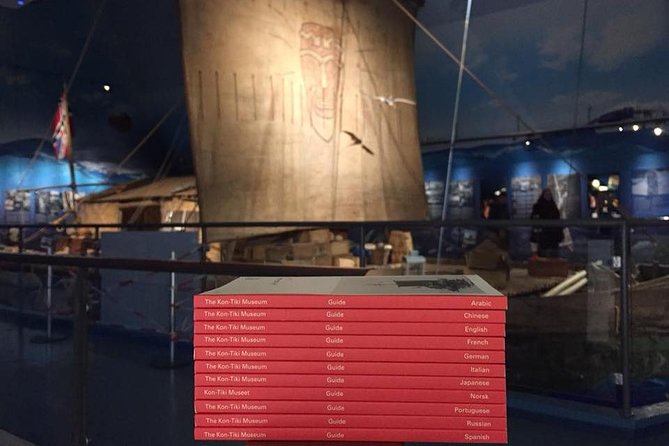
The museum covers much more than Kon-Tiki. Displays also focus on Heyerdahl’s reed boats Ra and Tigris, his work connected with Easter Island, the Galapagos, Fatu-Hiva, and Túcume.
These sections show how one expedition led to another. Heyerdahl kept testing ideas through travel, construction, and direct observation. The boats are different, the destinations change, and the questions develop, but the central theme remains clear: can traditional craft cross large bodies of water?
The Easter Island material adds another layer. Artifacts and displays connect the museum with Polynesian culture and the island’s famous stone figures. The Galapagos section extends the story in a different direction, while Fatu-Hiva and Túcume show the range of Heyerdahl’s interests.
You should not expect every subject to receive equal space. The original Kon-Tiki raft remains the focus, and some areas may feel more detailed than others. Still, these sections help prevent the museum from becoming a single-object attraction.
There are also displays about Heyerdahl as a person, his library, and his place in popular culture. I like this balance because it shows both the public legend and the researcher behind it. The pop culture section may appeal most to visitors familiar with the Kon-Tiki name, while the library and personal material offer more background for anyone wanting to understand his working life.
A completely different kind of day:
- Oslo: Scenic Fjord Cruise with Audio Guide Commentary
★ 4.5 · 5,375 reviews - Oslo Nature Walks: Island Hopping Tour
★ 4.8 · 2,713 reviews - Oslo: 100% Electric Oslofjord Sightseeing Cruise
★ 4.4 · 2,041 reviews - Oslo: Fjord Evening Cruise with Shrimp Buffet
★ 4.5 · 1,956 reviews
The cave, whale shark, and extra details
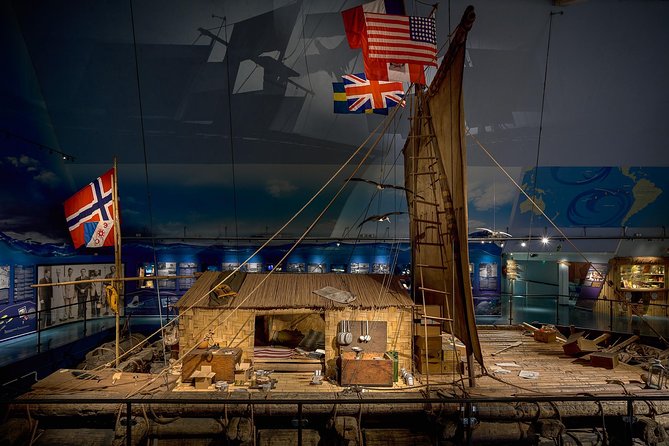
The museum includes a 30-metre cave tour and an underwater exhibit featuring a 10-metre model of a whale shark. These features add variety to a visit that could otherwise be dominated by boats and text panels.
The cave is useful for families because it changes the pace. You move from expedition displays into a more atmospheric space. I would treat it as an extra feature rather than the main reason to pay admission.
The whale shark model gives the museum a strong visual moment. It connects the human story of the expeditions with the ocean environment surrounding the boats. The sea was not an empty blue backdrop for Heyerdahl’s crew. It was full of life, weather, risk, and unknowns.
A library section and personal displays also reward slower looking. If you are interested in research rather than just adventure, these areas can make the museum feel more complete. If you have only 30 minutes, you will probably focus on the raft, film schedule, and biggest objects.
A practical Bygdøy stop beside the Fram Museum
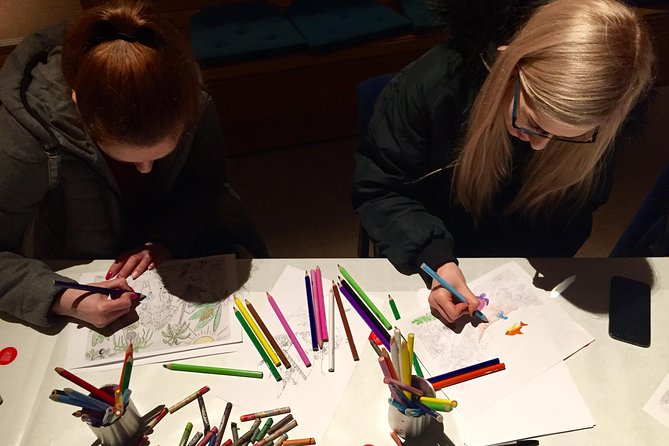
The museum is located beside the Fram Museum, making the two an obvious pair. The Fram covers polar exploration, while Kon-Tiki shifts your attention to the Pacific and traditional ocean craft.
I like this combination because it gives you two very different forms of exploration in one outing. One museum is about ice, endurance, and polar ships. The other is about warm-water seas, experimental boats, and ancient migration theories.
A bus from central Oslo stops directly in front of the museums, according to the practical information available for the visit. The area is also served by public transportation, and the hop-on, hop-off bus can be used to reach the museum. You need to arrange your own transportation because it is not included with the ticket.
The setting near the marina adds to the appeal. A café outside the museums provides a convenient place to pause, and one family found it easy to combine lunch with the museum visit. Food and drinks are not part of admission, so plan for that separately.
I would avoid treating Kon-Tiki as a rushed city-center stop. It sits away from Oslo’s central streets, so the visit works best as part of a half-day on Bygdøy. Add the Fram Museum if you have time and interest. Other nearby museums and public waterfront areas can also help make the trip worthwhile.
Is $19.42 good value?

At $19.42 per person, the ticket is reasonably priced for a museum visit that includes several major exhibits and a daily documentary screening. The value improves if you watch the film, read the expedition material, and spend time with the raft.
The price feels less attractive if you only want a quick photograph of Kon-Tiki. The museum’s strongest object is impressive, but a short visit may not justify the full admission cost for every adult.
For families, the price can make sense because the museum offers several points of interest. Children can focus on the boats, cave, whale shark, and film. Adults can read about Heyerdahl’s research, the crew, and the wider questions behind the expeditions.
I would compare the ticket with your plans for the day rather than judging it alone. If you are already going to Bygdøy for the Fram Museum, adding Kon-Tiki creates a fuller outing. If you have only a brief stay in Oslo and prefer major national collections, you may need to decide how much ocean exploration appeals to you.
How long should you spend inside?

The official estimate is about one hour. That is enough for a brisk look at the main displays, but it is not enough for everyone.
I would allow 90 minutes to two hours if you want to watch the film and explore without hurrying. One repeat visitor spent two hours inside and still considered the time worthwhile. That seems realistic for anyone who reads the panels or has children asking questions.
Your timing depends heavily on the documentary. Watching the full film adds about an hour. The cave, underwater display, library, and personal material then become easier to appreciate if you are not rushing toward your next appointment.
If you are visiting at noon, build your schedule around the screening. If you have a limited day, check the opening hours before setting out. The stated hours are 10:00 a.m. to 5:00 p.m., Monday through Sunday, for the listed operating periods.
What could disappoint you?
The main weakness is presentation style. Most of the feedback is strongly positive, but one assessment found the value limited and the exhibition somewhat dated. That criticism is fair to keep in mind.
Some visitors expect a museum filled with new technology, large interactive screens, and polished modern effects. Kon-Tiki’s appeal comes more from original objects, documentary footage, written explanation, and the force of the story. If you want a highly modern exhibition, parts of the museum may feel modest.
The museum has indicated plans for a major transformation of the Kon-Tiki display, including a new ocean and sky setting around the raft, interactive stations, and an underwater scene beneath the vessel. Since the timing of that work can change, you should treat the current presentation as subject to updates.
Another consideration is transportation. The museum is easy to reach by bus and public transit, but it is not in central Oslo. Poor weather can affect transport plans, and an airport journey may require several connections. I would not leave this visit until the last hours before a flight.
Animals are not allowed, and the ticket does not include a guide, transportation, food, drinks, or souvenirs. Most people can take part without special arrangements, and confirmation is provided at booking.
Who will enjoy this museum most?
I would recommend Kon-Tiki to anyone interested in exploration, ocean travel, archaeology, Polynesia, or unusual real-life experiments. You do not need prior knowledge of Heyerdahl’s work. The raft and film explain the basic story quickly.
Families are especially well served. The boats are easy to understand, the story has danger and adventure, and children can choose how much reading they want to do. The museum also gives adults enough detail to keep the visit from feeling like a children’s attraction.
It is a good fit for anyone who enjoys authentic objects. Seeing the actual raft changes the experience. You are not only hearing that the voyage happened. You are looking at the craft that carried the crew across the Pacific.
I would be more cautious if you have little interest in maritime history or documentary film. The visit is self-guided, so its success depends on your willingness to read, watch, and follow the story at your own pace. There is no included guide to bring the displays together for you.
Should you book the Kon-Tiki Museum ticket?
Yes, if you want a focused, unusual museum visit with a real expedition vessel at its center. Book it if you can spare 90 minutes to two hours, especially if you plan to watch the noon film and combine the museum with the Fram next door.
I would skip it only if your Oslo schedule is extremely tight or if you prefer large art collections and modern interactive displays. For most families, explorers, and curious adults, the $19.42 ticket offers a memorable look at one of Norway’s most famous adventures.
Free cancellation is available when you cancel at least 24 hours before the scheduled start time. That gives you some flexibility, but changes or cancellations inside 24 hours are not refunded.
FAQ
How much does admission to the Kon-Tiki Museum cost?
The entrance ticket costs $19.42 per person. Local taxes are included.
How long does a visit to the museum take?
The estimated visit lasts about one hour. If you watch the full documentary and read the displays, plan for 90 minutes to two hours.
When is the Kon-Tiki documentary shown?
The original Oscar-winning Kon-Tiki documentary is screened every day at 12:00 p.m. in the museum cinema.
Is transportation included with the ticket?
No. Transportation to and from the museum is not included. The museum is near public transportation, and a bus from Oslo city center stops in front of the museums.
Can I visit the Fram Museum at the same time?
The Fram Museum is located next to the Kon-Tiki Museum, so you can combine the two visits. Admission to the Fram Museum is not included in this ticket.
Can I cancel the ticket for a refund?
Yes. You can receive a full refund if you cancel at least 24 hours before the experience start time. Cancellations and changes made less than 24 hours before the start are not accepted or refunded.
Just added in Oslo
- Oslo Winter Highlights Bike Tour★ 5.0 · 36 reviews
- 4 hours Best View of the Oslofjord Winter Edition★ 4.0 · 15 reviews
- The Ultimate Study of the Human Form at Vigeland’s Sculpture Park with a Local★ 4.0 · 14 reviews
- Unknown war. Oslo and Norway during 1940-45★ 5.0 · 74 reviews
- Top of Oslo Snowshoe Tour★ 5.0 · 2 reviews
- The Scenic Roadtrip, Oslo to Bergen via Flam & the Fjords★ 5.0 · 25 reviews
- The Viking Planet Museum – Mini Group (4 adults)★ 4.0 · 16 reviews
- The Oslo Beer Adventure★ 4.5 · 11 reviews
Museums, compared.

Troll Museum Entry Ticket with AR Media Experience
Read our review →

Aksla-Alnes-Giske-Sunnmøre museum 100 % Highlights 4.5 H
Read our review →
Browse the lists this tour appears in