
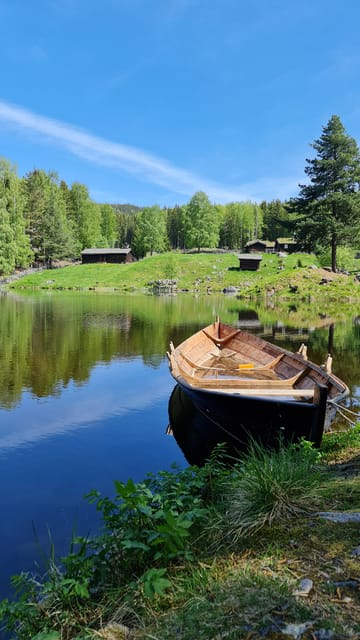
REVIEW · MUSEUMS
Maihaugen Museum/The Norwegian Olympic Museum, Lillehammer.
History comes alive among real Norwegian buildings. Maihaugen gives you an unusually broad look at Norway, from the Garmo stave church built in the 1200s to homes from the late 20th century. I like the way the museum lets you move through eight centuries at your own pace, and I especially like that the Norwegian Olympic Museum is included in the same ticket.
The old farms, mountain buildings, and furnished homes make Norway’s past easier to understand than a row of objects behind glass. The indoor exhibits are useful on a rainy day, too. The main drawback is seasonal access: in winter, many open-air houses are closed, so the experience can feel incomplete if you expect to enter every building.
At about $19 per person, this is a strong-value stop for anyone spending a day in Lillehammer. Plan for a full day if you want to see the open-air museum carefully, the indoor exhibitions, and both national museums without rushing.
In This Review
- Key points to know before you go
- Why Maihaugen works so well for a day in Lillehammer
- Start with the Visitor Center and make a loose plan
- Garmo stave church and the oldest part of Norway
- Farms from the 16th, 17th, and 18th centuries
- The 1900s houses show Norway changing quickly
- Indoor exhibitions for context and a break from the weather
- The Norwegian Olympic Museum and Lillehammer 1994
- The Norwegian Postal Museum during summer
- Summer or winter: choose the right version of Maihaugen
- Food, shopping, and the cost of a full day
- Who will get the most from Maihaugen?
- Practical verdict: should you book Maihaugen?
- FAQ
- How long is the Maihaugen ticket valid?
- What does the Maihaugen ticket include?
- Is the Norwegian Olympic Museum at the same location?
- Is the Norwegian Postal Museum open all year?
- Where do I begin the visit?
- Is Maihaugen wheelchair accessible?
Key points to know before you go
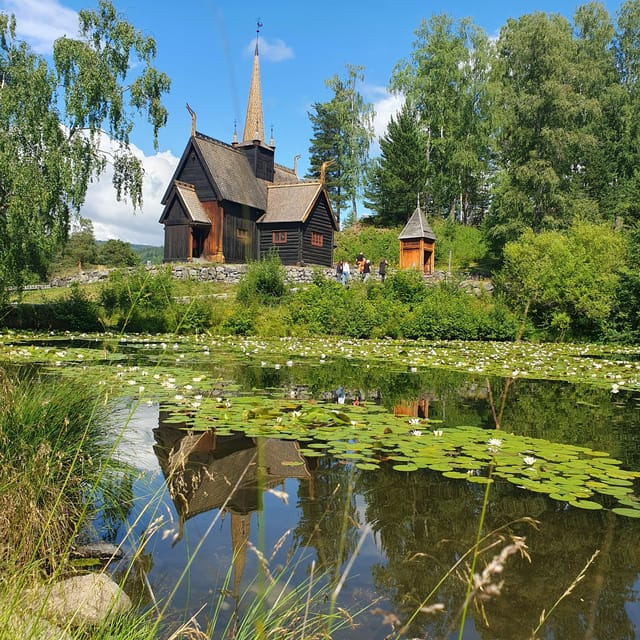
- Garmo stave church dates from the 1200s: This is one of Maihaugen’s essential sights and a fine introduction to Norway’s wooden church tradition.
- More than 200 historic buildings fill the grounds: Farms, town homes, workshops, and houses from the 1900s show how Norwegian life changed over time.
- The Norwegian Olympic Museum is included: Its main focus is Oslo 1952 and Lillehammer 1994, with objects, films, and interactive displays.
- The Postal Museum opens in summer: You can see Norwegian postal history, including an old train with a postal carriage.
- Summer offers the fullest experience: Historic houses may have hosts, actors, crafts, animals, and open eateries during the warmer months.
- Winter requires lower expectations: Several houses may be shut, and you may spend more time looking through windows than walking through interiors.
Why Maihaugen works so well for a day in Lillehammer
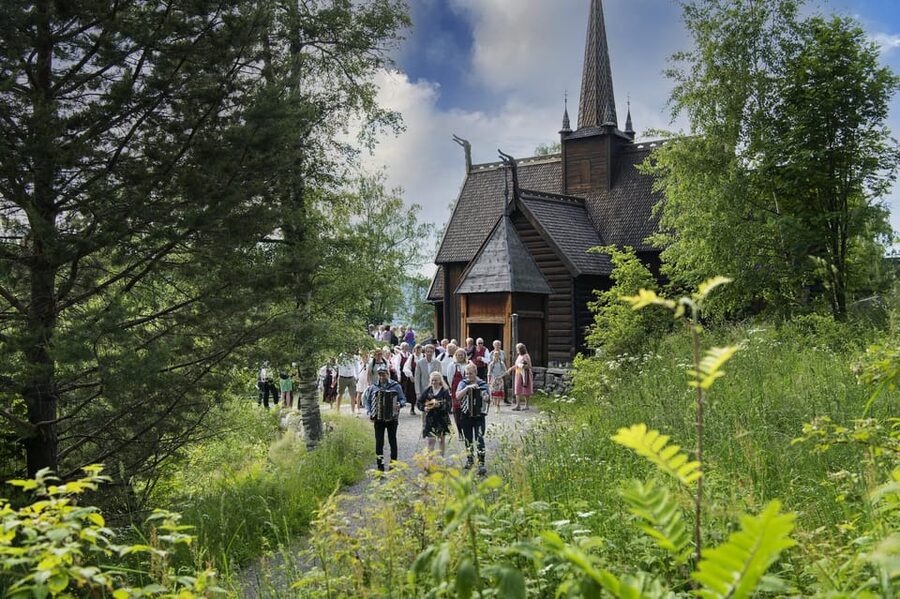
Maihaugen is not one museum building with a few surrounding structures. It is a large historical setting made up of more than 200 buildings, arranged to show different periods of Norwegian life. You walk from one area to another and see how homes, farms, churches, and public buildings changed over roughly eight centuries.
That range is the museum’s greatest strength. You can begin with medieval Norway, move through farming communities of the 16th, 17th, and 18th centuries, and then reach the homes and neighborhoods of the 20th century. The result is a clear story about changing work, family life, architecture, and technology.
I like museums that help you understand ordinary life, not only kings and famous events. Maihaugen spends much of its time on houses, tools, interiors, farms, and customs. You get a better sense of how people lived in Norway before modern conveniences became normal.
The setting also makes the visit feel less confined than a traditional museum. You are outside for much of the day, walking between buildings and open spaces. That means you should dress for the weather and wear comfortable shoes. The grounds are large enough that a quick one-hour visit would leave much of the collection unseen.
More Museum Tours in Oslo
- Kon-Tiki Museum Entrance Ticket
★ 4.5 · 1,096 reviews - Oslo: Paradox Museum Entry Ticket
★ 4.3 · 799 reviews - The Fram Museum Admission Ticket
★ 4.5 · 490 reviews
Start with the Visitor Center and make a loose plan
Go first to the Visitor Center, where the counter and hosts are located. This is the practical starting point for tickets, directions, and information about which buildings and exhibitions are open during your visit.
Maihaugen does not need to be followed like a tightly timed guided tour. You can set your own order, but a little planning helps. Start by checking the current opening situation, especially outside summer. Then decide how much time you want for the open-air grounds, the indoor exhibits, the Olympic Museum, and, in summer, the Postal Museum.
A full day gives you the breathing room this place deserves. If you have only a few hours, make the Garmo stave church, one historic farm section, the 20th-century houses, and the Norwegian Olympic Museum your priorities.
The museum is wheelchair accessible, though the open-air format means that conditions can vary from one building and path to another. The activity is listed with an English-speaking host or greeter, and the available language is English.
Garmo stave church and the oldest part of Norway
The Garmo stave church is the architectural star of Maihaugen. Dating from the 1200s, it gives you a direct connection to medieval Norway and to the country’s distinctive wooden church tradition.
Even if you have seen photographs of stave churches, the real structure makes a stronger impression. The dark timber, steep rooflines, and carved details show a building style that feels very different from most European stone churches. It is a place to slow down and look closely at how the wood is joined and shaped.
The church also gives the rest of Maihaugen a useful starting point. Norway’s history did not begin with modern cities or the Winter Olympics. This building places you in a much older period, when religious buildings were major centers of community life.
One practical point: access to historic interiors can depend on the season and staffing. Do not assume every building will be open simply because it appears on the grounds. In winter, you may see the church and other structures from the outside without finding every interior available.
Farms from the 16th, 17th, and 18th centuries
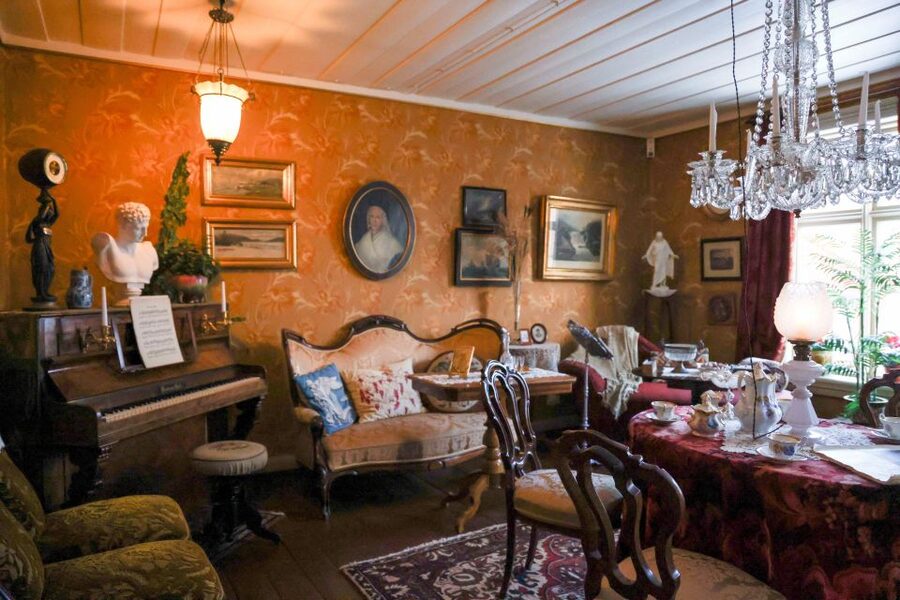
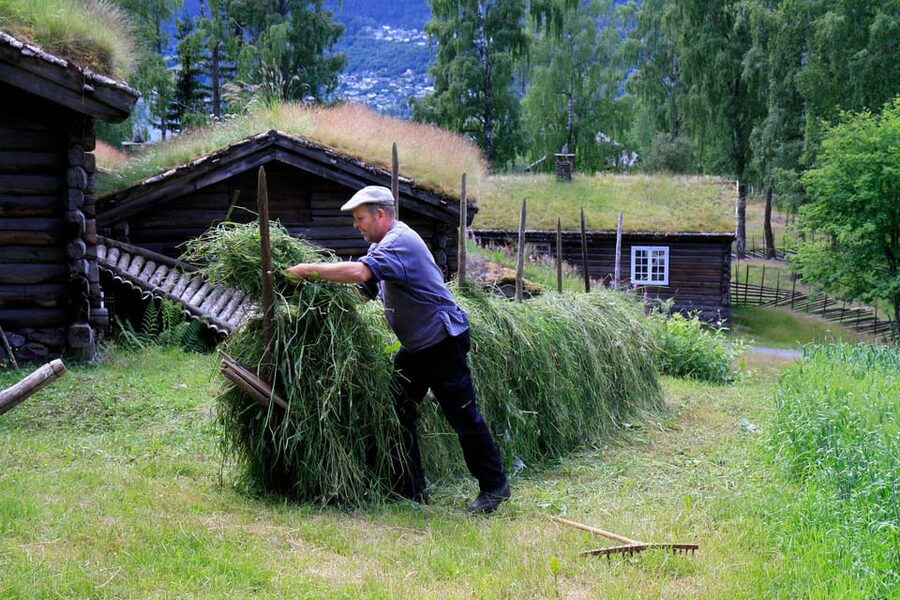
The old farm sections show rural Norway before industrial life reshaped the country. These buildings help you picture a society organized around farming, seasonal work, storage, animals, and family labor.
Look at the relationship between the structures rather than treating each one as an isolated house. Barns, farm buildings, homes, and smaller structures together explain how a working farm operated. The architecture also reflects practical needs, available materials, and the demanding Norwegian climate.
The 16th, 17th, and 18th centuries were not one single period, and Maihaugen’s collection lets you see differences across time. Building methods and household arrangements gradually changed. The museum is at its best when you compare one farm area with another instead of rushing from building to building.
During summer, traditional crafts and hosts in historic houses add useful context. Actors and staff can help turn an empty room into a place with daily purpose. You might see how an object was used or understand why a particular room mattered. These details are valuable because old buildings can otherwise become attractive shells without much meaning.
The outdoor farm areas are also connected to a living cultural setting. Animals may graze among the sunburned wooden buildings, giving the site a working rural feel rather than making it look like a collection of abandoned structures. The experience is likely to be strongest on a pleasant summer day, when you can spend time outdoors without hurrying.
A completely different kind of day:
- Oslo: Scenic Fjord Cruise with Audio Guide Commentary
★ 4.5 · 5,375 reviews - Oslo Nature Walks: Island Hopping Tour
★ 4.8 · 2,713 reviews - Oslo: 100% Electric Oslofjord Sightseeing Cruise
★ 4.4 · 2,041 reviews - Oslo: Fjord Evening Cruise with Shrimp Buffet
★ 4.5 · 1,956 reviews
The 1900s houses show Norway changing quickly
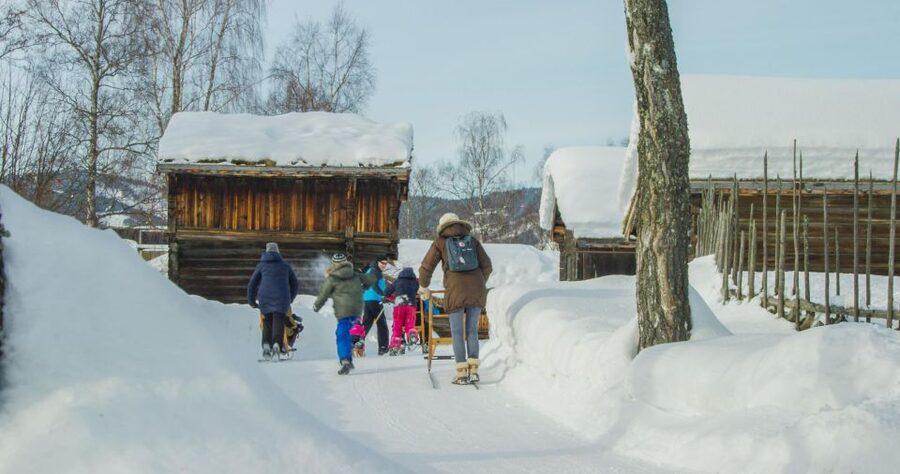
The 20th-century houses are one of Maihaugen’s most helpful features. They show that Norwegian history did not stop with medieval churches and old farms. Instead, the museum carries the story into recent decades, when housing, furniture, design, appliances, and family life changed at a much faster pace.
Walking through homes from different decades lets you compare styles side by side. You can see how a Norwegian household might look in one period, then notice the shift in decoration and domestic technology in the next. The houses make the 1900s easier to grasp because the changes appear in rooms you recognize: kitchens, living spaces, bedrooms, and work areas.
I especially like this part for families and younger visitors. A medieval farm can feel distant, but a house from the 20th century may contain objects that look familiar. The comparison helps you see how quickly everyday life moved from handwork and limited services toward modern convenience.
The same seasonal warning applies here. The museum’s open-air program is fullest in summer, and access to individual houses may vary. In colder months, you could find only a small number of interiors open. A visit in winter can still work if you focus on the buildings and indoor museums, but it may not deliver the full house-to-house experience.
Indoor exhibitions for context and a break from the weather
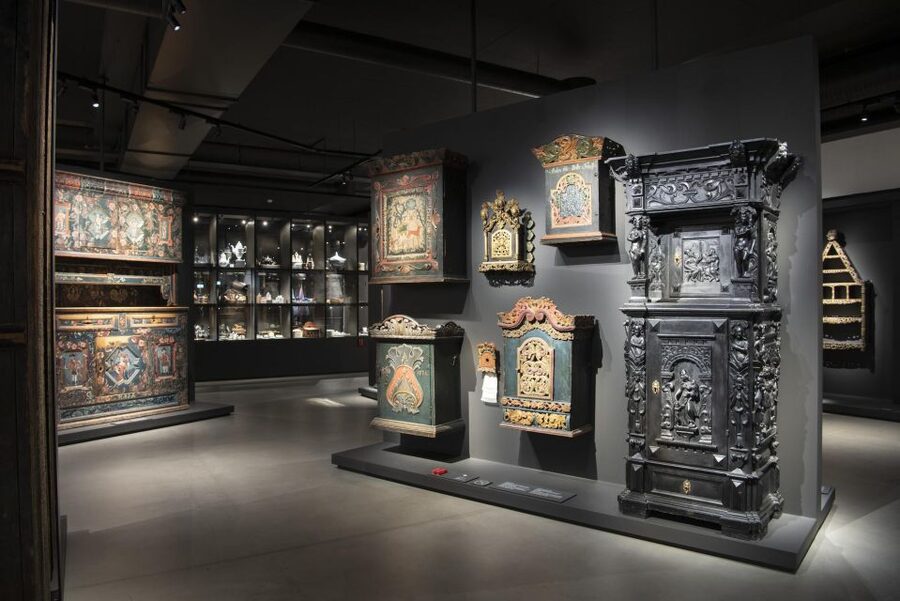
Maihaugen’s indoor exhibitions give you a more organized account of Norwegian culture and history. This matters because the open-air grounds are broad and can sometimes feel like a collection of separate places. The indoor displays help connect the buildings and objects into a larger story.
The exhibition Impulses is one of the main indoor attractions. Along with We won the land, it adds historical and cultural context to the structures outside. These exhibits are a good choice when the weather turns wet, when your feet need a rest, or when you want a more concentrated museum experience.
One practical strength of the indoor section is its accessibility of presentation. The displays explain the development of Norway and its culture in a way that is easier to follow than simply reading labels on scattered buildings. If you want the clearest overview of the country’s story, give the indoor museum serious time rather than treating it as a quick stop between outdoor areas.
The indoor exhibits also balance the open-air collection. Outside, you get scale, atmosphere, and architecture. Inside, you get objects, explanations, and a more direct narrative. Together, they make the $19 admission easier to justify.
The Norwegian Olympic Museum and Lillehammer 1994
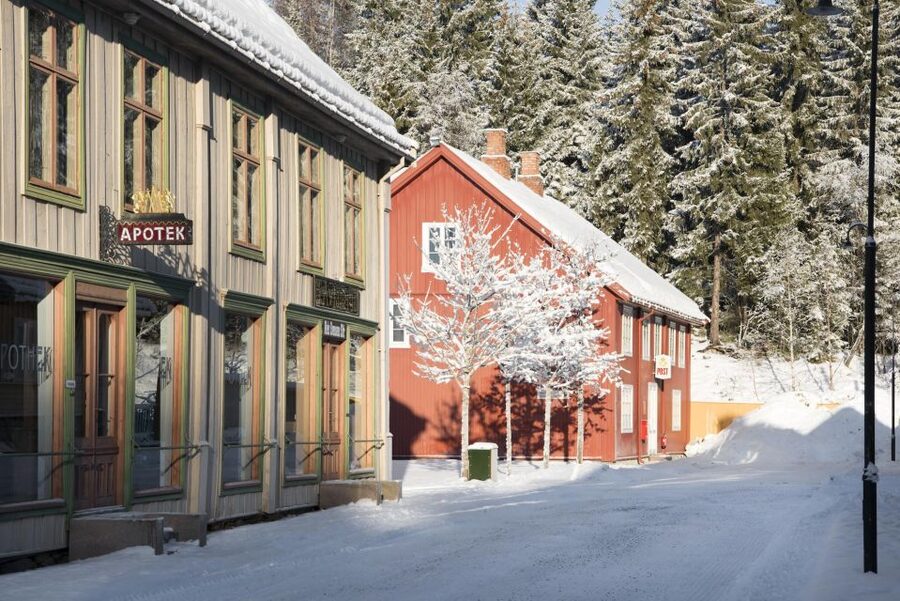
The Norwegian Olympic Museum is located on the same site and included with your Maihaugen ticket. It traces the Olympic Games from ancient times to the present, with special attention to Oslo 1952 and Lillehammer 1994.
For many people, the Lillehammer section will be the emotional center of the visit. The 1994 Winter Olympics remain a major part of the city’s identity, and the museum connects that event with Norway’s broader sporting achievements. Original objects, interactive installations, and films bring the competitions and ceremonies closer than a simple display of medals would.
I like the contrast between the Olympic Museum and the old buildings outside. One section takes you through centuries of farming, worship, and domestic life. The other shows modern media, international competition, technology, and national pride. That change of pace keeps a full day at Maihaugen from feeling repetitive.
You do not need to be a serious sports fan to enjoy this museum. The exhibits also explain how the Olympics developed and why Oslo and Lillehammer mattered to Norway. If you are especially interested in modern Norwegian identity, this section provides a useful counterpoint to the older farm buildings and stave church.
Save enough energy for it. It is easy to spend most of your morning outdoors and then hurry through the Olympic displays late in the afternoon. I would place it either before lunch or after a planned break, depending on your interest.
The Norwegian Postal Museum during summer
The Norwegian Postal Museum is open in summer and included in the summer ticket. It has preserved and presented Norwegian postal history since 1947, making it another useful addition to the site’s broader story.
The most distinctive object mentioned for this museum is an old train with a postal carriage. That exhibit helps explain how mail moved through Norway, especially in a country where distance and terrain made communication a practical challenge.
The Postal Museum is not essential if your schedule is tight, but it is worthwhile when you have a full day. It adds a different subject to the visit and shows how national systems developed alongside homes, farms, sports, and towns.
Because it is seasonal, check availability before you plan your route. The summer ticket includes it, while the open-air museum’s outdoor offerings also vary by season. This is another reason summer provides the broadest Maihaugen experience.
Summer or winter: choose the right version of Maihaugen
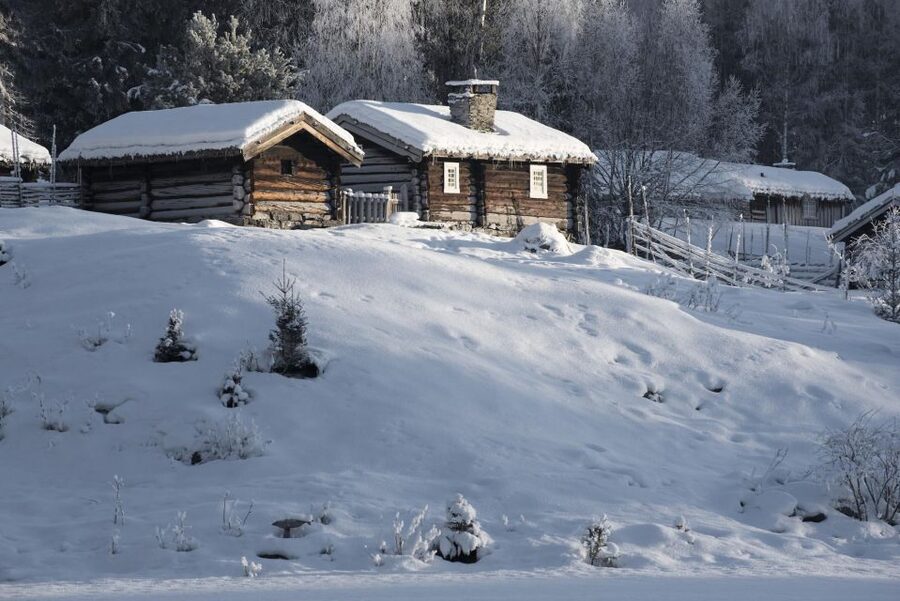
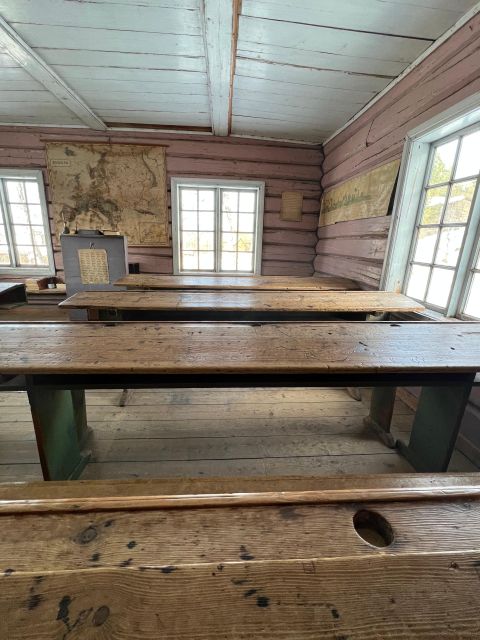
Maihaugen is open all year, but the museum changes significantly with the season. Summer is the best time for the complete program. More historic houses may be open, hosts and actors may be present, traditional crafts are easier to encounter, animals may be grazing, and extra places to eat operate around the grounds.
Summer also brings the Postal Museum and its train display. If your main goal is to enter many buildings and understand how they functioned, summer is the clear choice.
Winter has a different character. Snow and quiet can make the old buildings attractive, but access is limited. In one January visit, only four houses were open, with a German-speaking guide helping to open them. The English-speaking guide expected for that visit did not appear, leaving much of the open-air area to be viewed through windows and understood through online reading.
That does not make a winter visit worthless. The indoor museum received especially strong praise for its clear presentation of Norwegian culture and history. But you should plan around the indoor exhibitions and Olympic Museum, not assume that the entire outdoor collection will operate as it does in summer.
The Christmas Market, held on the first weekend of Advent, is a special seasonal event. Decorated houses from different periods, Norwegian crafts, handmade products, local food, and Christmas decorations make it more than a standard museum day. If you want shopping and holiday atmosphere, this is a strong time to go, though the market itself is a distinct event within the wider museum calendar.
Food, shopping, and the cost of a full day
Admission costs about $19 per person. Transportation, food, and drinks are not included, so account for those separately. The museum has a cafeteria in the main building open all year, with extra eating places around the open-air grounds during summer.
The price is good if you use the ticket as a full-day pass. You receive access to the open-air museum, indoor exhibitions, outdoor displays available during the season, the Norwegian Olympic Museum, and the Norwegian Postal Museum in summer. Paying the same admission for only a quick walk past a few buildings would offer less value.
The museum shop adds another practical stop. It carries quality design products, which makes it more appealing than a shop filled only with generic souvenirs. You might find a useful Norwegian design item or a thoughtful gift rather than another plastic trinket.
Bring water and allow time for a proper break, especially in summer. The grounds are extensive, and the temptation is to keep walking until you are too tired to appreciate the next building. A planned pause makes the second half of the visit much better.
Who will get the most from Maihaugen?
Maihaugen is a strong choice for families because it combines outdoor movement, houses, animals, crafts, and interactive museum sections. Children can see the physical spaces of earlier life instead of facing a long series of glass cases.
It also suits anyone beginning a Norway road trip. A visit early in your journey gives you useful context for buildings, customs, rural traditions, and national identity you may encounter elsewhere. One visitor described the museum as a first stop that made the rest of a Norway trip easier to understand, and that is a sensible way to use it.
History fans should allow the full day. Architecture enthusiasts will find plenty to study in the stave church, farms, and later homes. Sports fans can give extra time to the Olympic Museum, while design-minded shoppers may enjoy the museum shop.
You should think twice if you have only one hour, dislike walking outdoors, or are visiting in winter mainly to enter historic houses. The site is large, and the seasonal program matters. Your expectations should match the date.
Practical verdict: should you book Maihaugen?
I would book Maihaugen if you can give it at least half a day, and ideally a full day. The combination of eight centuries of buildings, strong indoor exhibitions, the Norwegian Olympic Museum, and the summer Postal Museum gives you far more than a standard open-air collection.
Choose summer for the fullest experience, especially if entering historic houses, seeing crafts, and finding food around the grounds matter to you. Choose winter only if you are comfortable treating the indoor museums as the main event and viewing some outdoor buildings from the outside.
At $19, it is a sensible purchase for a broad cultural stop in Lillehammer. You get old farms, a medieval stave church, modern Norwegian homes, Olympic history, and seasonal postal displays in one place. Book it when you want context and variety, not when you need a quick attraction you can finish before lunch.
FAQ
How long is the Maihaugen ticket valid?
The admission is valid for one day.
What does the Maihaugen ticket include?
It includes Maihaugen’s open-air museum, indoor exhibitions, outdoor exhibitions available during the season, and the Norwegian Olympic Museum. The Norwegian Postal Museum is included during summer.
Is the Norwegian Olympic Museum at the same location?
Yes. It is located on the same site as Maihaugen and is included with admission.
Is the Norwegian Postal Museum open all year?
No. The Norwegian Postal Museum is open during the summer.
Where do I begin the visit?
Go to the Visitor Center, where the counter and hosts are located.
Is Maihaugen wheelchair accessible?
Yes, the activity is listed as wheelchair accessible.
Just added in Oslo
- Oslo Winter Highlights Bike Tour★ 5.0 · 36 reviews
- 4 hours Best View of the Oslofjord Winter Edition★ 4.0 · 15 reviews
- The Ultimate Study of the Human Form at Vigeland’s Sculpture Park with a Local★ 4.0 · 14 reviews
- Unknown war. Oslo and Norway during 1940-45★ 5.0 · 74 reviews
- Top of Oslo Snowshoe Tour★ 5.0 · 2 reviews
- The Scenic Roadtrip, Oslo to Bergen via Flam & the Fjords★ 5.0 · 25 reviews
- The Viking Planet Museum – Mini Group (4 adults)★ 4.0 · 16 reviews
- The Oslo Beer Adventure★ 4.5 · 11 reviews
Museums, compared.

Troll Museum Entry Ticket with AR Media Experience
Read our review →
Aksla-Alnes-Giske-Sunnmøre museum 100 % Highlights 4.5 H
Read our review →Browse the lists this tour appears in