
REVIEW · MUSEUMS
Stavanger: Norwegian Petroleum Museum – Entrance Ticket
Oil tells Norway’s modern story. Stavanger’s Norwegian Petroleum Museum makes that story easy to follow through hands-on exhibits and clear displays about oil, gas, drilling, and life offshore. I like the simple explanations of how petroleum forms beneath the seabed, and I like that the museum does not skip the harder question of climate change. The rescue chute and play platform also give children something real to do, not just something to look at.
The main drawback is focus: this is a museum about one industry, so visitors with little interest in energy, technology, or Norwegian society may find parts of it heavy on information. Still, the mix of original objects, models, films, and games keeps the visit moving, and the central harbor location makes it an easy addition to a day in Stavanger.
In This Review
- Key points to know before you go
- Why Stavanger needs a petroleum museum
- From geological formation to offshore production
- The climate question is given proper space
- Original objects, models, films, and interactive stations
- The children’s areas are a real strength
- A practical visit in Stavanger city center
- Opening hours change with the season
- Is $19 a fair price?
- Who should visit the Norwegian Petroleum Museum?
- How I would plan the visit
- Final decision: book it if you want context, not just entertainment
- FAQ
- Where is the Norwegian Petroleum Museum located?
- How much does admission cost?
- How long is the ticket valid?
- Is the museum open all year?
- What are the summer opening hours?
- What are the opening hours from September through May?
- Are meals or transportation included?
- Can I cancel the booking?
- Is the museum wheelchair accessible?
Key points to know before you go
- Oil explained from seabed to society: Follow how petroleum forms, how resources are found, and how drilling and production work.
- Climate change is part of the story: Exhibits address greenhouse gas emissions and global warming rather than presenting oil only as an economic success.
- A strong family setup: Children can use the rescue chute, catastrophe room, interactive games, picture quiz, and play platform.
- Watch Oilkid: The museum film follows growing up during a period of major change.
- Easy central location: The museum is in Stavanger city center near Vågen harbor, with parking recommended at Jorenholmen.
- Good value for a flexible visit: The ticket costs $19 per person, is valid for one day, and can be canceled up to 24 hours ahead for a full refund.
Why Stavanger needs a petroleum museum
Stavanger is closely tied to Norway’s offshore oil and gas industry. The museum gives you a way to understand that connection without requiring a technical background. Instead of treating petroleum as a single product that comes out of the ground, it breaks the story into the steps that made offshore operations possible.
You begin with the basic science. Oil and gas form over long periods beneath the seabed, and the museum explains how these resources are located. From there, the displays move toward drilling and production, showing the technology needed to work far offshore in demanding conditions.
That basic sequence matters. If you know only that Norway found oil and became wealthy, you miss the engineering and labor behind the change. The museum helps you see how a country with a relatively small population built an industry around resources that are difficult to reach.
I also appreciate the wider social view. Petroleum is not presented only as machinery, platforms, and pipes. The exhibits show how oil income affected Norwegian society, giving you context for the country’s modern prosperity and the choices that came with it.
More Museum Tours in Stavanger:
- Kon-Tiki Museum Entrance Ticket
★ 4.5 · 1,096 reviews - Oslo: Paradox Museum Entry Ticket
★ 4.3 · 799 reviews - The Fram Museum Admission Ticket
★ 4.5 · 490 reviews
From geological formation to offshore production
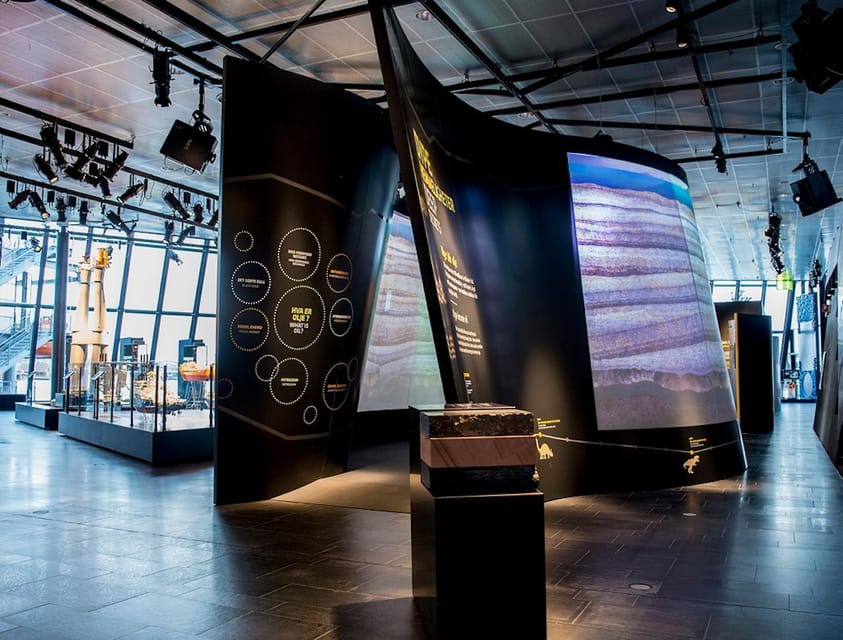
The strongest part of the museum is its explanation of the petroleum process. You can learn how oil and gas are formed, how deposits beneath the seabed are located, and how companies extract and produce them.
Models and original objects help turn abstract ideas into something you can grasp. A written explanation about subsea resources can feel distant, but a physical model or working display gives you a better sense of scale and method. The museum also uses films and interactive elements, so you are not limited to reading panels.
The technology section is useful even if you normally skip industrial museums. Offshore work depends on complicated systems, and the displays show how the sector developed over time. You can see how technological progress shaped the search for resources and the way drilling and production were carried out on the Norwegian continental shelf.
This is not a ride or a simulated oil rig tour. It is a museum visit built around objects, models, film, and interactive stations. That distinction helps set expectations. You will learn through exhibits rather than through a live offshore demonstration.
For a first visit, I would give yourself time to read the main explanations instead of rushing straight to the children’s activities. The museum is at its best when you connect the technical displays with the larger story of Norway’s economic change.
The climate question is given proper space
A museum about oil has an obvious responsibility. It cannot explain the industry honestly without addressing what burning fossil fuels does to the planet. The exhibits cover greenhouse gas emissions, global warming, and the wider climate challenge.
This section gives the visit useful balance. You see why petroleum became important to Norway, but you also face the environmental cost tied to that success. The museum does not leave you with the easy idea that offshore technology solved every problem.
The climate displays are especially valuable for families and students because they open a conversation. Younger visitors may understand the machinery first, then ask why the industry creates concern. Older children and adults can connect the museum’s account of Norwegian prosperity with the worldwide pressure to reduce emissions.
I would not treat this as a specialist climate center. The museum’s main subject remains petroleum operations and their effect on Norway. But the climate content is a necessary part of the story, and it gives the visit more substance than a simple celebration of oil production.
Original objects, models, films, and interactive stations
The museum uses several ways to present its material. Original objects give the industry a physical presence. Models explain systems that are too large, too distant, or too complex to display in full. Films add personal and visual context, while interactive exhibits let you take a more active role.
That variety helps prevent the visit from becoming a long row of text panels. I like museums that give you more than one way to understand a subject, and this one is designed for different ages and attention spans.
Make time for Oilkid, the museum film about growing up during changing times. Its value is personal rather than technical. After seeing how oil production developed, a film about childhood and social change helps you consider what the industry meant in everyday life.
The film also adds a human scale. Oil fields and offshore structures can feel remote, but a story about growing up brings the national changes closer to home. If your children are old enough to follow a film, it may help them connect the displays to real people and families.
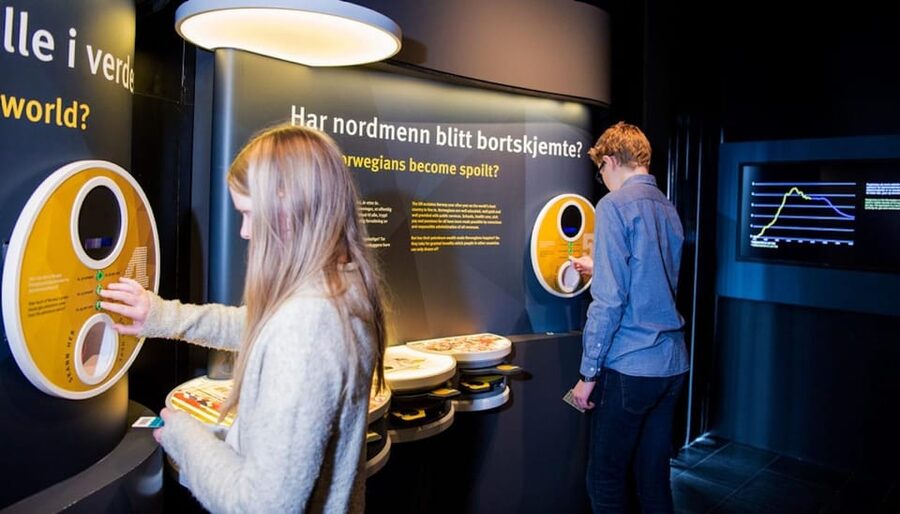
The interactive stations are not just decoration. They make it easier to test your understanding as you move through the museum. I would use them as pauses between the more serious displays, especially if you are visiting with children.
A few more options to weigh up in Stavanger
- Stavanger: Scenic Fjord Cruise to Lysefjord and Preikestolen
★ 4.6 · 5,791 reviews - Stavanger: Fjord Cruise to Lysefjord and Pulpit Rock
★ 4.8 · 1,357 reviews - From Stavanger: RIB Tour to Lysefjord
★ 4.9 · 1,288 reviews - From Stavanger: Lysefjord Sightseeing RIB Boat Tour
★ 4.9 · 821 reviews
The children’s areas are a real strength

Many museums say they welcome families, then offer little beyond a corner with a few blocks. This one gives children several activities tied to the subject and the building.
Children and young people can try the rescue chute, visit the catastrophe room, use interactive games, and play on a platform with room to slide, climb, and explore. The activities give younger children a physical break while adults continue with the exhibits.
The picture quiz is another practical touch. It lets the whole family search the exhibitions for details, turning observation into a shared game. You can use it to keep children involved without turning the museum into a rushed race from one activity to the next.
The play platform is aimed at little ones, so older children may get more from the games, film, and quiz. The rescue chute and catastrophe room may also appeal to children who want action rather than long explanations.
You should still plan around your family’s ages and interests. A small child may remember the slide and climbing area more than the history of drilling. That is fine. The museum offers enough layers for each person to take something different from the visit.
A practical visit in Stavanger city center
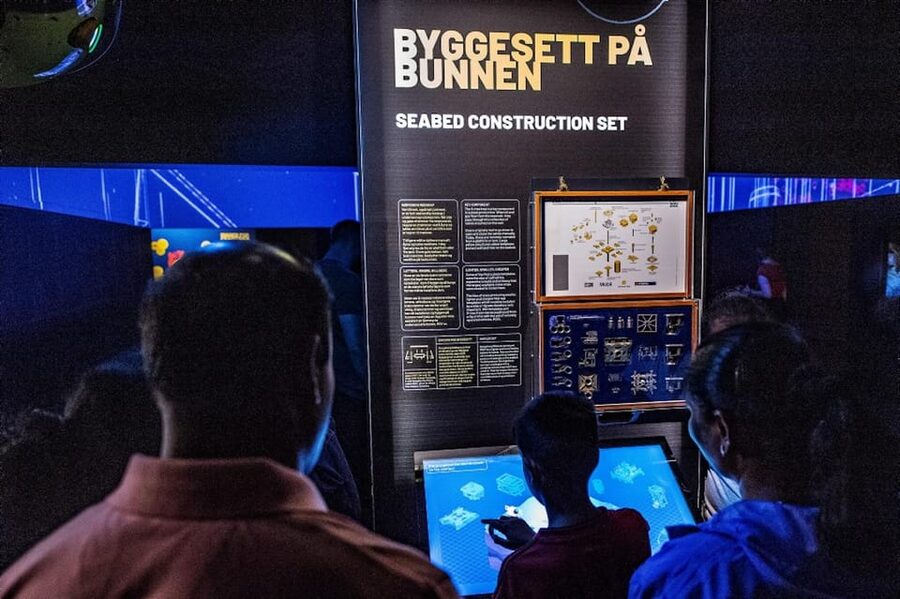
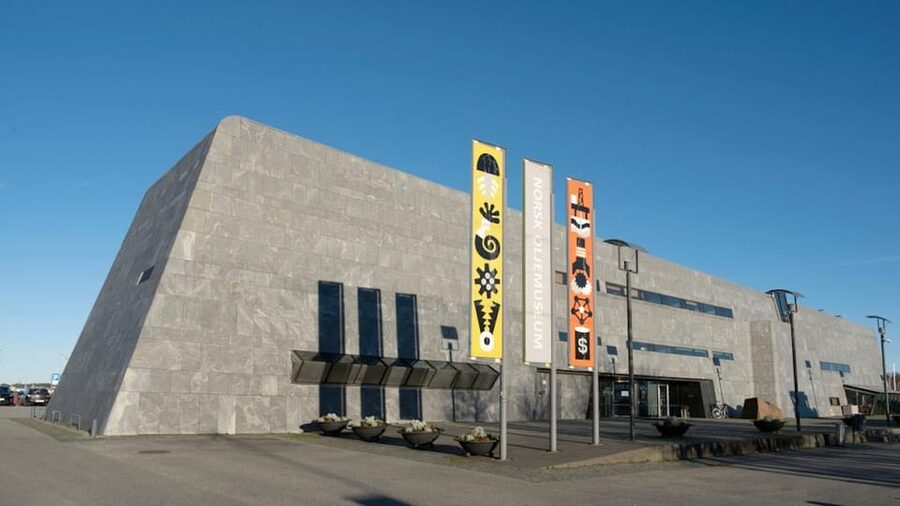
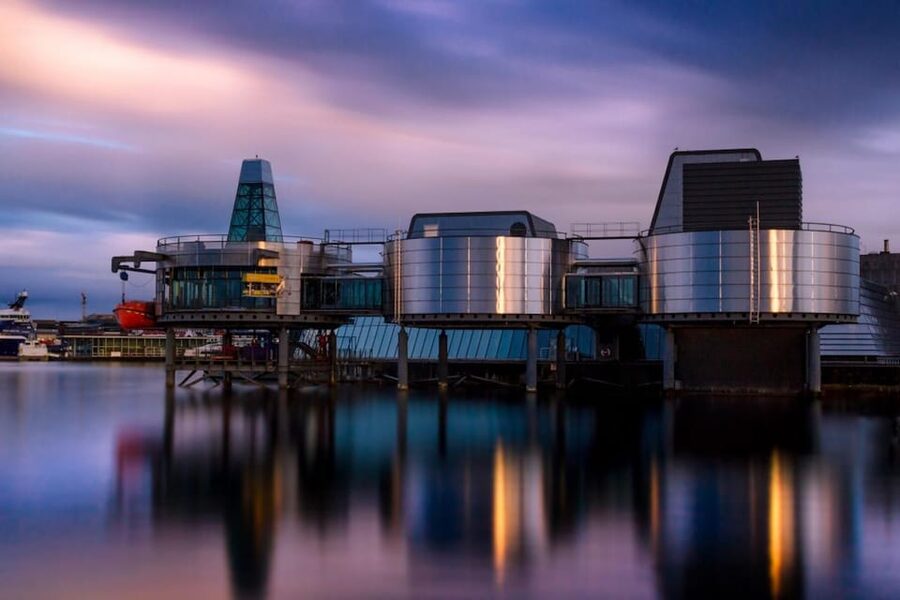
The museum is in Stavanger city center, close to Vågen harbor. That makes it simple to combine with time around the waterfront, especially if you are already exploring the central streets.
The location is useful on a wet or cold day. Stavanger weather can change quickly, and a museum visit gives you a solid indoor plan without sending you far from the center. You can also fit it into a wider day rather than treating it as a separate excursion.
If you are driving, the recommended parking area is Jorenholmen. No pickup or drop-off service is included, so you arrange your own way to the museum. The central position makes walking a practical option if you are staying nearby, though the supplied information does not specify walking times from individual hotels or transport stops.
The ticket is valid for one day. You can check availability for starting times, but this is not described as a tightly timed guided tour. That gives you useful freedom to match the museum with your plans in Stavanger.
English and Norwegian are available, and the activity is wheelchair accessible. Since the ticket covers entry rather than meals or transport, plan to handle food separately. The harbor area makes that easy to combine with the rest of your day, though no particular restaurant is included or specified.
Opening hours change with the season
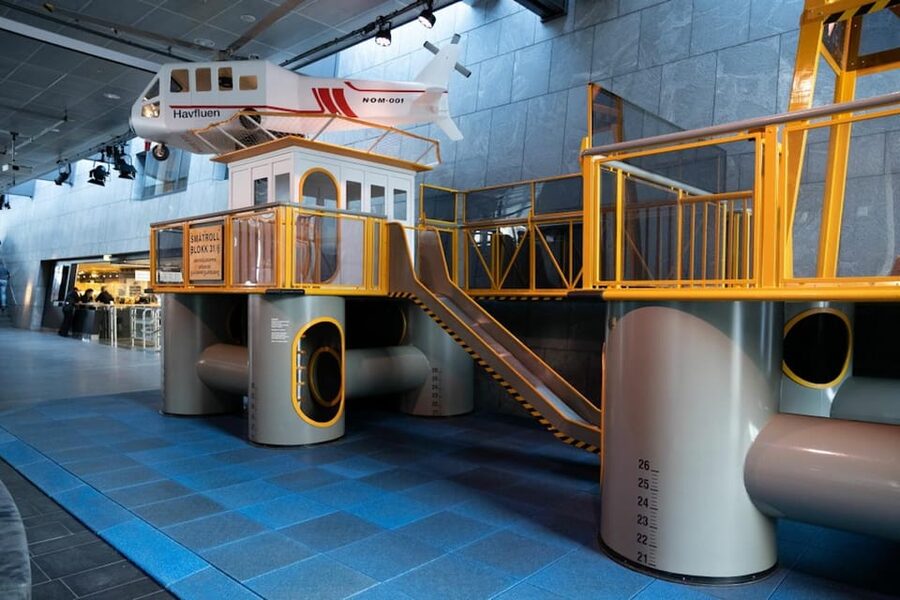
The museum is open all year, but the hours vary.
From June 1 through August 31, it opens every day from 10:00 to 19:00. From September 1 through May 31, it is open Monday through Saturday from 10:00 to 16:00, and Sunday from 10:00 to 18:00.
These hours affect how you plan the visit. In summer, the longer evening schedule gives you room to visit after other sightseeing. Outside summer, weekday hours are shorter, so check the date before setting out.
The museum closes on December 24, December 25, December 31, and January 1. At Easter, it closes on Good Friday and Easter Sunday. It is also closed on May 17.
You should allow enough time to read, watch the film, and let children use the activity areas. The ticket lasts for one day, but that does not mean you need to spend the entire day inside. The actual length depends on how closely you explore the displays and how long your family stays with the games and play platform.
Is $19 a fair price?
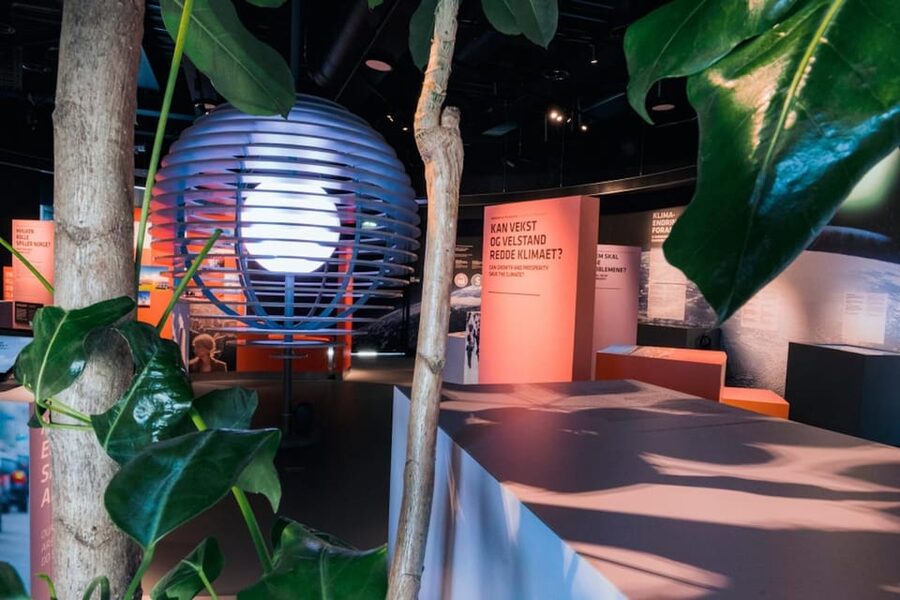
At $19 per person, this is not the cheapest short stop in Stavanger, but it offers more than a quick collection of photographs and labels. You get access to a full museum about one of Norway’s defining industries, including original objects, models, films, interactive displays, and family activities.
I see the best value for visitors who want context. If you are curious about why Stavanger became an important energy center, the museum explains that connection in one place. You also get the climate discussion, which keeps the visit from being one-sided.
Families may find the price easier to justify because children have several activities to choose from. The play platform, rescue chute, catastrophe room, games, and quiz give the visit a practical family benefit, not just an educational one.
The value is weaker if you want a quick, purely scenic attraction. This is an indoor museum and an information-based visit. You pay for interpretation, technology, and the chance to understand a major part of Norway’s recent development.
Reserve now and pay later is available, which helps if you are still adjusting your Stavanger schedule. Free cancellation is offered up to 24 hours in advance for a full refund. Those terms reduce the risk of booking ahead, particularly when weather or port plans may change.
Who should visit the Norwegian Petroleum Museum?
I would recommend it to adults who want a clearer picture of Norway’s energy story. You do not need an engineering background. The displays are designed to explain the basic process, from geological formation to locating resources and offshore production.
It is also a good fit for families. Children can move between the exhibits and activity areas, while adults take in the social, economic, and environmental material. The picture quiz gives you a simple way to explore together.
Students and anyone interested in climate policy may find the museum useful because it presents both sides of the story: petroleum created major economic change, and greenhouse gas emissions create a serious global problem.
You may want to skip it if your Stavanger plans are already full of outdoor activities and you have little interest in industry. The museum is focused, not general. It does not try to cover every part of Norwegian culture.
For most first-time visitors to Stavanger, I think the central location and broad range of displays make it an easy choice. It gives you background that you will not get from simply walking past the harbor or seeing offshore-related equipment from a distance.
How I would plan the visit
I would visit earlier in the day if you want to read the exhibits carefully. Start with the petroleum story, taking time to understand how oil and gas form and how resources beneath the seabed are found.
Next, follow the displays on drilling and production. Pay attention to the models and original objects, since they explain the practical work behind offshore operations better than a short written overview can.
Then watch Oilkid. Placing the film after the industry displays may help you connect national development with ordinary life and growing up during a period of change.
Save time for the climate exhibits and the interactive stations. Adults can consider the environmental questions while children use the games or take part in the picture quiz.
If you are visiting with small children, build in a proper play break. The rescue chute and play platform are not minor extras. They may be what allows the whole family to enjoy the more serious parts of the museum.
Final decision: book it if you want context, not just entertainment
Book the Norwegian Petroleum Museum if you want to understand how oil and offshore operations shaped Stavanger and Norway. The clearest strengths are its simple explanation of petroleum production, its honest treatment of global warming, and its unusually useful set of children’s activities.
At $19, it is a sensible indoor attraction for a family day or a rainy afternoon near Vågen. Check the seasonal hours, allow time for the film and interactive exhibits, and use Jorenholmen if you are driving.
Skip it only if your interests lie far from energy, technology, or modern Norwegian society. For everyone else, this is a thoughtful way to see the forces behind Stavanger’s present-day identity.
FAQ
Where is the Norwegian Petroleum Museum located?
The museum is in Stavanger city center, close to Vågen harbor.
How much does admission cost?
The entrance ticket costs $19 per person.
How long is the ticket valid?
The ticket is valid for one day.
Is the museum open all year?
Yes, the museum is open all year, with different opening hours in summer and the rest of the year.
What are the summer opening hours?
From June 1 through August 31, the museum is open every day from 10:00 to 19:00.
What are the opening hours from September through May?
From September 1 through May 31, it is open Monday through Saturday from 10:00 to 16:00, and Sunday from 10:00 to 18:00.
Are meals or transportation included?
No. The ticket includes museum admission only. Meals and pickup or drop-off services are not included.
Can I cancel the booking?
Yes. You can cancel up to 24 hours in advance for a full refund.
Is the museum wheelchair accessible?
Yes, the museum is wheelchair accessible. English and Norwegian are available.
Just added in Stavanger
- Two Fjord SUP n Sauna Guided Paddle Tour (Stavanger)★ 5.0 · 1 review
- The Pulpit Rock Air★ 4.5 · 8 reviews
- Swords in Rock monument and Stavanger highlights private tour★ 4.0 · 2 reviews
- Discover Sensational Stavanger: Self-Guided Audio Tour★ 3.5 · 7 reviews
- Stavanger Kjerag Hike with Guide and Transportation★ 5.0 · 9 reviews
- Stavanger Private Walking Tour with a Local★ 4.5 · 20 reviews
- Stavanger Pulpit Rock Guided Private Hike with Hotel Pickup★ 5.0 · 2 reviews
- Preikestolen | Pulpit Rock – Hike with a local guide★ 5.0 · 84 reviews
Museums, compared.

Troll Museum Entry Ticket with AR Media Experience
Read our review →

Aksla-Alnes-Giske-Sunnmøre museum 100 % Highlights 4.5 H
Read our review →Browse the lists this tour appears in