
REVIEW · OSLO TOURS
Oslo: Tour with a Michelin star chef
Oslo tastes better on foot. This three-hour walk combines central landmarks with Norwegian food traditions, guided by a professional chef who can explain what you are seeing and eating. I like the small group of no more than 10 people and the useful restaurant advice you can take into the rest of your stay.
I also like the tour’s early-trip value. It helps you get your bearings around the Royal Palace, cathedral, Parliament, and National Theatre, while the chef-guide adds local context that a standard city walk may miss. The main drawback is simple: this is an outdoor walk in Oslo weather, and it is not suitable for wheelchair users or people with mobility impairments.
In This Review
- Key points to know before booking
- Why this Oslo walk works best early in your stay
- Meeting your guide beneath the red umbrella
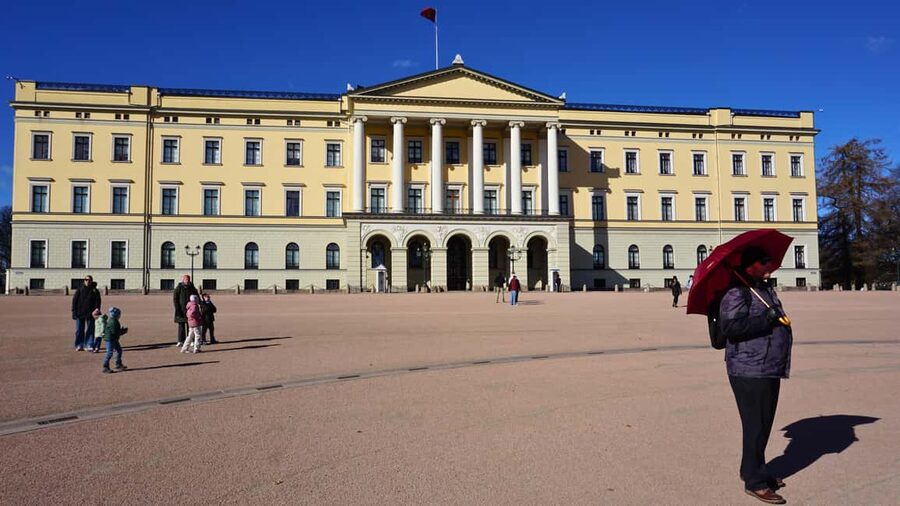
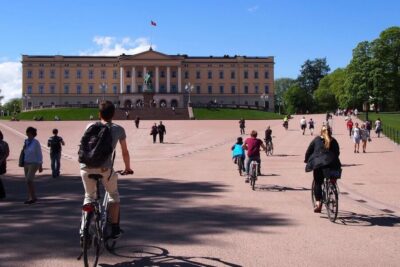
- Stop 1: The Royal Palace sets the scene
- Stop 2: Oslo Cathedral and the city’s traditional side
- Stop 3: The Norwegian Parliament adds civic context
- Stops 4 and 5: Culinary teaching becomes the focus
- Stop 6: The National Theatre brings the walk back to Oslo’s center
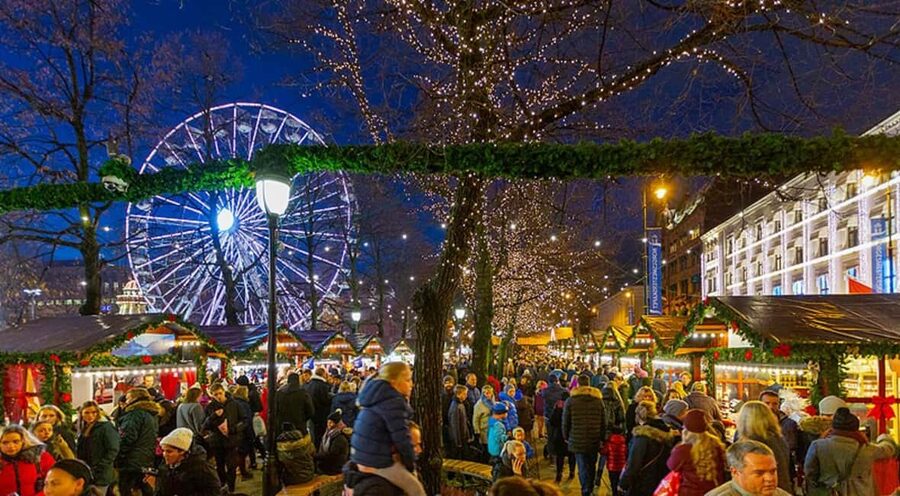
- The Christmas market is more than a quick photo stop
- What the culinary lessons can add to your Oslo visit
- Pace, weather, and mobility concerns
- Is $40 a fair price for three hours?
- Who will get the most from this experience?
- My booking advice
- FAQ
- Where does the Oslo chef tour start?
- Where does the tour end?
- How long does the walking tour last?
- Is food included in the price?
- What language is the tour conducted in?
- Is the tour suitable for wheelchair users?
Key points to know before booking
- A chef leads the city walk: You learn about Norwegian cooking, Christmas customs, Scandinavian techniques, and local food in one setting.
- The route starts at the Royal Palace: It covers several central Oslo landmarks and ends at the National Theatre.
- The Christmas market is part of the experience: You receive guidance on local market foods and drinks, including a gløgg recipe.
- The small group matters: With a maximum of 10 participants, it should be easier to ask questions and hear the guide.
- Allow three hours outdoors: Bring warm layers, comfortable shoes, and clothing suited to rain, wind, or snow.
- The cost is $40 per person: That is fair if you want both city orientation and food advice, though meals are not included.
Why this Oslo walk works best early in your stay
I think this tour makes the most sense on your first day or two in Oslo. The route links several major central sights, so you get a basic mental map before setting off on your own. One participant specifically chose it for the first day and found that it helped locate monuments, restaurants, and useful routes around town.
That orientation has real value in Oslo. The city center is manageable on foot, but a first visit can still feel scattered if you do not know how the palace area connects with the cathedral, Parliament, and theatre district. A guide can point out the broad shape of the center while giving you ideas for what to return to later.
You should not treat this as a food tour with a succession of full tastings. Meals are not included. Instead, the culinary side comes through explanations, local recommendations, market browsing, and advice on what to look for. That makes the tour especially useful if you want to choose your own restaurants and snacks afterward.
A few more options to weigh up in Oslo
- Oslo: Scenic Fjord Cruise with Audio Guide Commentary
★ 4.5 · 5,375 reviews - Oslo Nature Walks: Island Hopping Tour
★ 4.8 · 2,713 reviews - Oslo: 100% Electric Oslofjord Sightseeing Cruise
★ 4.4 · 2,041 reviews
Meeting your guide beneath the red umbrella
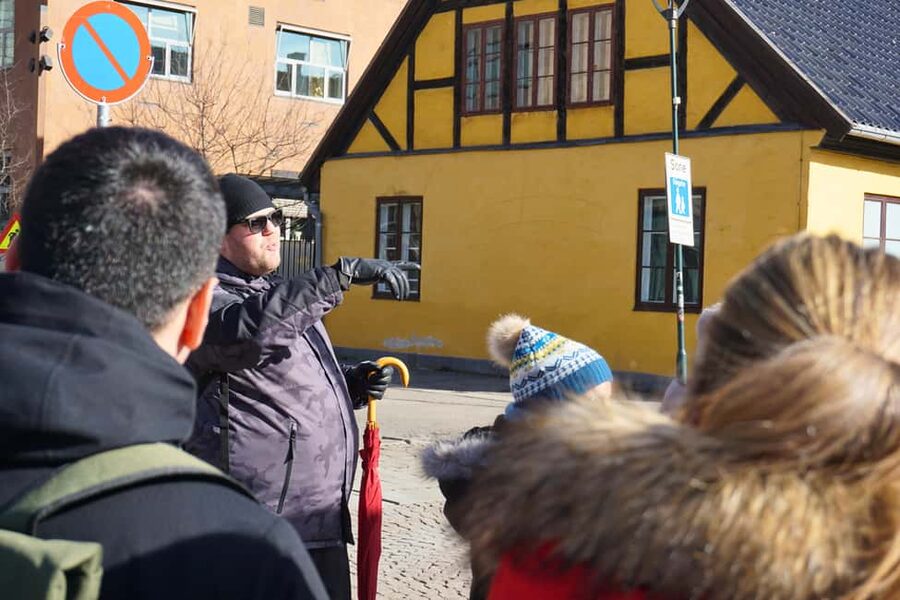
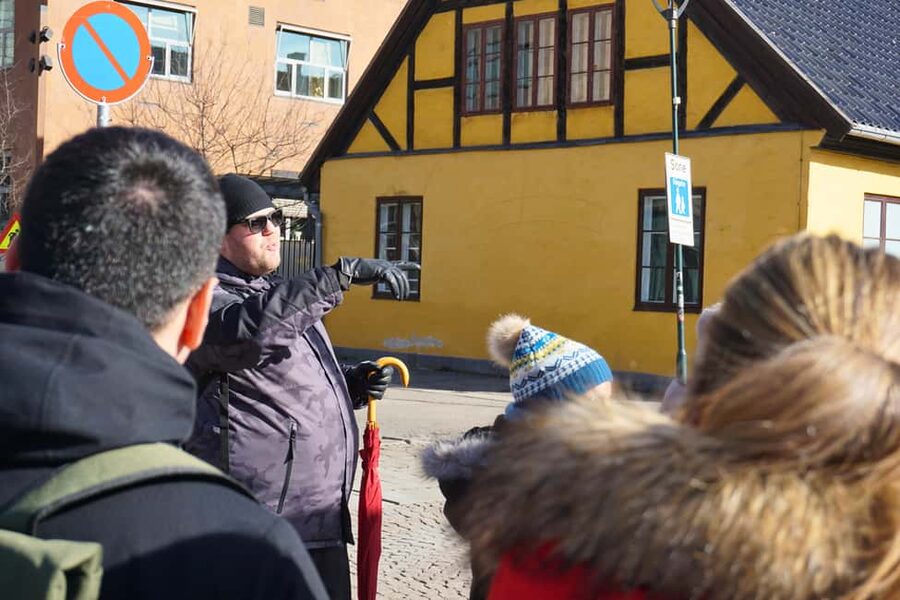
The meeting point is in front of the Royal Palace. Look for the guide with a red umbrella, a practical signal in a busy outdoor meeting area. The activity is conducted in English, and the group is limited to 10 people.
Several departures have been led by guides named Anders, Michael, and Andrew. Anders received especially warm praise for his explanations of Norwegian food, Christmas customs, market products, and drinks. Michael was also appreciated for giving a clear introduction to the city and offering restaurant suggestions at the end. The guide assigned to your departure may differ, so think of these names as examples rather than a guarantee.
You will be outside for the full walk, with stops for sightseeing, photos, explanations, and food-related discussion. Wear shoes that can handle several hours of city walking. A snack and restroom break may be included during the route, but do not count on a full meal.
Stop 1: The Royal Palace sets the scene
The Royal Palace is a sensible starting point because it places you in one of central Oslo’s most recognizable areas. From here, your guide can introduce the city’s public spaces, royal traditions, and the route ahead before the group moves into the denser center.
This opening stop is also useful for orientation. You are not being rushed straight into a market or tasting. Instead, you begin with the city itself, then add food culture as the walk develops. If you are carrying luggage, note that this is not a hotel pickup activity. You need to reach the palace on your own.
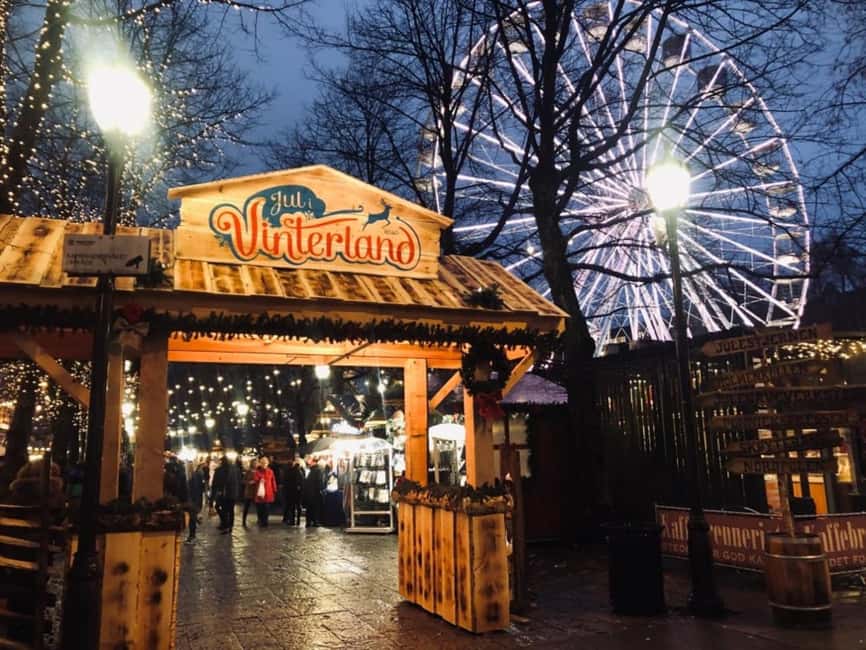
The palace area can feel particularly attractive during the holiday season, when decorations and winter light shape the mood. Still, Oslo in winter is cold, and the picturesque setting does not remove the need for proper clothing.
Stop 2: Oslo Cathedral and the city’s traditional side
The route continues to Oslo Cathedral, where you have a guided sightseeing stop and time for photographs. The cathedral gives the walk a change of pace after the palace. Here, the guide can place modern city life alongside older religious and civic traditions.
The scheduled stop is relatively short, so expect an introduction rather than a detailed architectural study. That is a strength if you want variety, but a limitation if you prefer long visits inside every landmark. The tour is built around movement through the city, not extended indoor time.
This is also where the chef-guide’s wider view can help. Food customs do not exist separately from daily life, holidays, religion, and climate. The guide’s discussion of Norwegian Christmas and seasonal traditions gives the market portion more meaning later.
A completely different kind of day:
- Oslo: Fjord Evening Cruise with Shrimp Buffet
★ 4.5 · 1,956 reviews - Oslo: 3-Hour Highlights Bike Tour
★ 4.8 · 1,609 reviews - Oslo: 24 or 48-Hour Hop-On Hop-Off Sightseeing Bus Ticket
★ 4.1 · 1,470 reviews - Oslo: Guided Sightseeing Fjord Cruise on Premium Silent Boat
★ 4.7 · 1,390 reviews
Stop 3: The Norwegian Parliament adds civic context
The Norwegian Parliament is another photo and sightseeing stop. Its place on the route keeps the walk from becoming only a food outing. You see an important part of Oslo’s civic center while continuing toward the next parts of the itinerary.
The visit is brief, listed at about 20 minutes in the supplied schedule. That should be enough for exterior viewing and explanation, but it does not suggest a long parliamentary visit. If your priority is entering and touring government buildings, this experience may feel too light. If you want a broad city introduction, the short stop fits the pace.
I like this mix of landmarks because it gives the tour a useful rhythm. You get history and public life, then move back to food, markets, and local habits instead of hearing three straight hours of dates and building names.
Stops 4 and 5: Culinary teaching becomes the focus
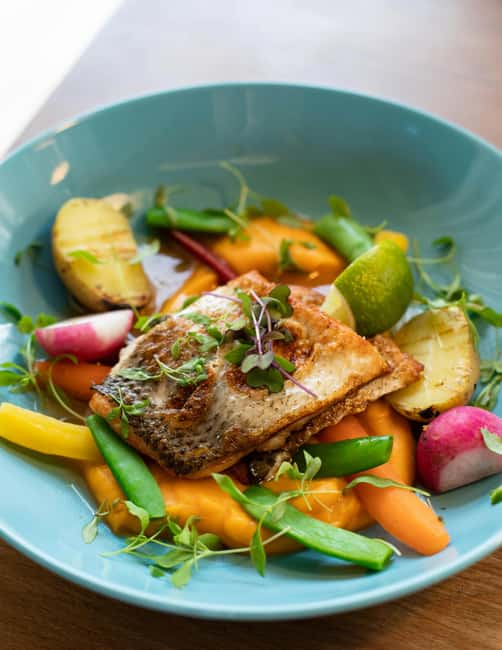
The itinerary includes two additional stops described with sightseeing, guided discussion, and class elements. Their exact names are not provided, but these are the points where the food theme appears to take a larger role. You can expect the guide to connect Oslo’s traditions with Norwegian ingredients, seasonal customs, and long-used Scandinavian cooking methods.
The guide is presented as a Michelin-star chef, so the culinary instruction is a major reason to book this rather than a standard walking tour. You may learn how Norwegian food developed around local conditions and how traditional techniques remain part of the country’s cooking culture. The experience also includes a recipe for preparing gløgg, the warm spiced drink associated with Nordic winter celebrations.
Do not expect a restaurant kitchen lesson or a full cooking course. The supplied details describe classes and culinary guidance, but meals are not included and no full menu is promised. The value is in understanding what you see at the market and knowing what to seek out later.
That distinction matters. At $40, the tour is priced as a guided city experience with a specialist host, not as a three-hour dining event. If you want several included tastings, you should look for a different type of food tour. If you want an informed introduction and practical recommendations, the price is easier to justify.
Stop 6: The National Theatre brings the walk back to Oslo’s center
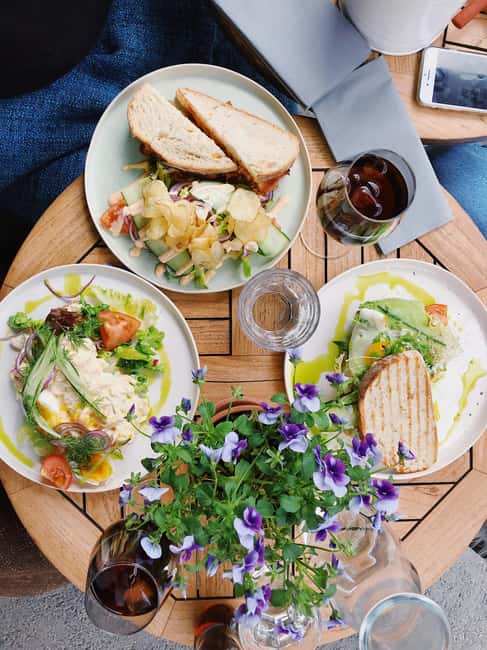
The final listed landmark is the Norwegian National Theatre. It is a photo and guided sightseeing stop, with around 15 minutes allocated in the schedule. The theatre helps round out the central route and brings you close to the end point.
The stop is short, but it gives the tour a clear finish among Oslo’s cultural institutions. You will have seen royal, religious, political, and theatrical parts of the center, with Norwegian food traditions running through the walk.
The activity ends at the National Theatre, although the meeting-point information also says the activity ends back at the meeting point. These details are not perfectly consistent, so I would confirm the precise finishing point and route with the operator before setting off. In either case, the stated itinerary places the end in central Oslo rather than at a hotel.
The Christmas market is more than a quick photo stop
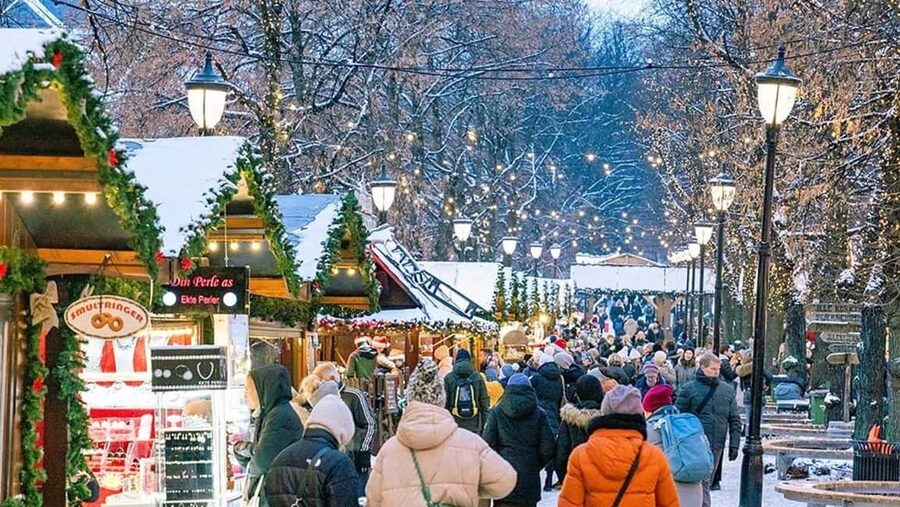
The Christmas market is one of the most appealing parts of this experience, especially if you visit Oslo during the holiday season. Rather than simply giving you free time among the stalls, the chef-guide can explain local delicacies, savory snacks, sweet holiday foods, and seasonal drinks.
This is where the tour’s food focus becomes practical. You can ask what a product is, how it is traditionally served, and which items are worth trying. The guide can also explain the difference between a festive treat and a food that forms part of everyday Norwegian cooking.
A market visit can be hit or miss when you are left alone to guess what everything means. Here, the chef’s background gives you a better chance of making informed choices. Still, keep some spending money with you if you want to buy food, since market purchases and meals are not included in the $40 price.
The gløgg recipe and holiday gift are nice additions. The recipe gives you something useful to take home, while the small gift adds a personal touch without changing the fact that the main benefit is the guide’s advice and the walk itself.
What the culinary lessons can add to your Oslo visit
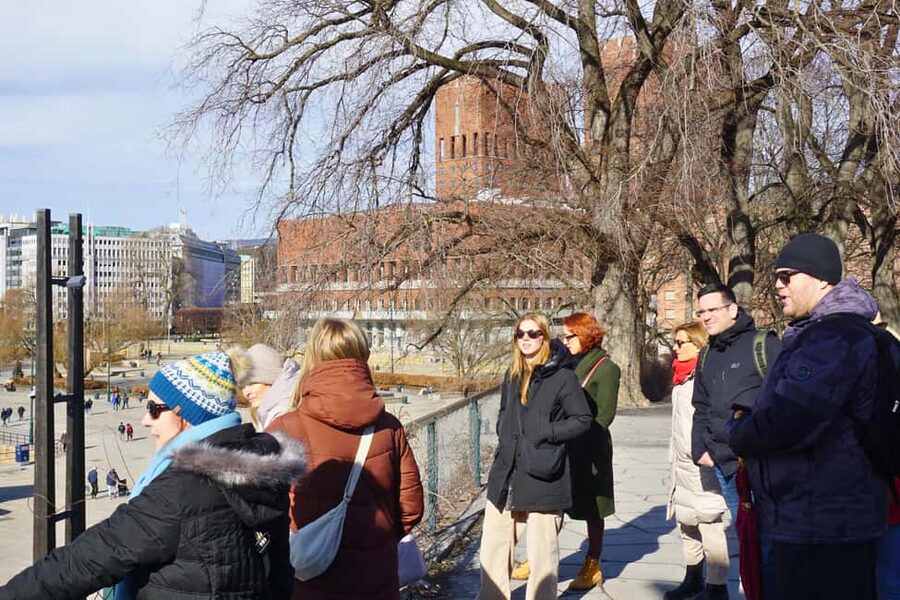
Norwegian food can be unfamiliar if your only reference point is the standard image of Scandinavian cuisine. This tour offers a way to place local dishes and drinks within a longer story of Nordic cooking. The guide discusses thousands of years of culinary techniques in Scandinavia and Norway, linking old methods with present-day food culture.
That broad time span should be understood as context rather than an academic lecture. You are walking between city sights, so the explanations need to stay accessible and connected to what you can see or eat nearby. The best part is likely the practical link between history and your own choices at a restaurant or market stall.
I would pay close attention to the restaurant recommendations at the end. Michael’s departure was praised for helping the group understand where to eat after the walk, and Anders was singled out for offering many food and drink suggestions. Those tips may save you from choosing at random during a short Oslo stay.
Because the group is small, you have a better chance to ask direct questions. A group of 10 is still large enough for a lively exchange, but far less awkward than trying to speak over a crowd. The actual quality will depend on the guide on your date, yet the format is well suited to conversation.
Pace, weather, and mobility concerns
This is a walking tour first. Comfortable shoes are essential, and the route includes several stops across the city center. One person described it as a lot of walking, while another appreciated the pace and the chance to pause for a snack and restroom break.
The tour operates in all weather. In winter, that means warm layers are not optional. Bring a coat, gloves, and weather-appropriate clothing, and consider a hat if you are sensitive to cold. A camera is also recommended, but staying warm matters more than getting the perfect photograph.
The experience is specifically not suitable for wheelchair users or people with mobility impairments. The information does not give a step-free route or detailed accessibility arrangements, so you should not assume that the walk can be adapted. If you have limited mobility, contact ArtistaTours before booking and ask for a clear answer about the route.
The outdoor format is part of the charm, but it also creates the main risk. A cold, wet day can make three hours feel long, even if the guide is engaging. Dress as if the weather will worsen, not as if the forecast owes you a favor.
Is $40 a fair price for three hours?
At $40 per person, this is a reasonable price for a small-group walking tour with a specialist guide. You are paying for three hours of guided sightseeing, culinary instruction, a Christmas market visit, a gløgg recipe, local food suggestions, and a holiday gift.
The value is strongest if you are new to Oslo and plan to eat out during your stay. A good restaurant recommendation can shape several later meals, and the route helps you understand where central sights sit in relation to one another. The tour can also reduce the time you spend trying to decode the market on your own.
The value is weaker if you want a food-focused tasting tour. Meals are not included, and the activity does not promise a set number of samples. You may need to buy your own snacks or drinks at the market, so budget beyond the ticket price if tasting is part of your plan.
You can reserve now and pay later, and cancellation is free up to 24 hours before the activity for a full refund. Those terms give you some flexibility, though you should still check the available starting times before arranging the rest of your day.
Who will get the most from this experience?
I would choose this tour if you want a friendly introduction to Oslo with food woven into the story. It suits first-time visitors, couples, solo visitors, and small groups who prefer asking questions rather than following a large crowd.
It is also a good match for anyone interested in Christmas traditions and winter market food. The seasonal material is not just decoration. You learn about gløgg, holiday treats, and the customs that give the market its meaning.
You may want to skip it if you dislike cold-weather walking, need a fully accessible route, or want a meal included in the ticket. It is also not the right choice if your main goal is a long interior visit at each landmark. The route offers breadth, movement, and food advice rather than exhaustive sightseeing at every stop.
The guide’s personal style will matter. Anders was praised for being engaging and for explaining Norwegian Christmas and cuisine clearly. Michael was appreciated for city orientation and restaurant tips, and Andrew was described as a pleasant guide for discovering town. The names show that the experience can feel personal, but your assigned guide may be different.
My booking advice
Book this tour if you want to get your bearings early, enjoy a small group, and learn what to eat in Oslo from a chef rather than from a generic script. The combination of central landmarks, market guidance, and restaurant advice gives the $40 price a solid purpose.
Skip it if you want included meals, a warm indoor activity, or a fully accessible route. For most people who can handle three hours outside, I think it is a smart first-day choice, especially during the Christmas season. Just wear serious winter clothing, bring comfortable shoes, and leave room in your budget for the foods you will be encouraged to try.
FAQ
Where does the Oslo chef tour start?
The tour starts in front of the Royal Palace. The guide will have a red umbrella.
Where does the tour end?
The listed route finishes at the National Theatre. The meeting-point information also says the activity ends back at the meeting point, so confirm the exact finishing point with ArtistaTours before departure.
How long does the walking tour last?
The activity lasts three hours. Starting times vary, so check availability when booking.
Is food included in the price?
Meals are not included. The tour includes culinary tips, local food recommendations, a Christmas market visit, and a gløgg preparation recipe.
What language is the tour conducted in?
The live tour guide speaks English.
Is the tour suitable for wheelchair users?
No. The activity is not suitable for wheelchair users or people with mobility impairments.
Just added in Oslo
- Oslo Winter Highlights Bike Tour★ 5.0 · 36 reviews
- 4 hours Best View of the Oslofjord Winter Edition★ 4.0 · 15 reviews
- The Ultimate Study of the Human Form at Vigeland’s Sculpture Park with a Local★ 4.0 · 14 reviews
- Unknown war. Oslo and Norway during 1940-45★ 5.0 · 74 reviews
- Top of Oslo Snowshoe Tour★ 5.0 · 2 reviews
- The Scenic Roadtrip, Oslo to Bergen via Flam & the Fjords★ 5.0 · 25 reviews
- The Viking Planet Museum – Mini Group (4 adults)★ 4.0 · 16 reviews
- The Oslo Beer Adventure★ 4.5 · 11 reviews
Oslo Tours, compared.

Scenic Fjord Cruise with Audio Guide Commentary
Read our review →
Guided Sightseeing Fjord Cruise on Premium Silent Boat
Read our review →
Browse the lists this tour appears in