
REVIEW · FJORD CRUISES
Oslo: Best of Oslo Walking Tour & Fjords Sightseeing Cruise
Oslo reveals itself in two very different ways. This four-hour experience pairs a small-group city walk with a fjord cruise, giving you historic streets, modern architecture, islands, lighthouses, and shoreline views in one tidy outing.
I like the contrast between the two halves. The walk covers Karl Johan street, the Parliament, Grand Hotel, Christiania, the Opera House, and City Hall, while the boat shifts your view to Hovedøya, Dyna Lighthouse, Bygdøy, and the Oslofjord. I also like the limited group size of 10, which should make it easier to hear the guide and ask questions.
The main consideration is time. Four hours is enough for a useful introduction, not a slow study of Oslo. The walking portion lasts two hours, and the cruise lasts two hours, so you will see many places without spending much time inside any one of them.
In This Review
- Key points to know before booking
- Starting at University Aula on Karl Johan Street
- Karl Johan, Parliament, and the Grand Hotel
- Christiania and Oslo’s changing name
- The Opera House and Oslo’s modern face
- City Hall and the Nobel Peace Prize
- From city streets to the Oslofjord
- Bygdøy, Huk Beach, and the museum shoreline
- What the $82 price gives you
- Who will get the most from this tour
- Book it or choose something else?
- FAQ
- How long does the Oslo walking tour and cruise last?
- Where does the tour begin?
- What language is the live tour conducted in?
- How many people are in the walking group?
- Is the experience wheelchair accessible?
- What should I bring?
Key points to know before booking
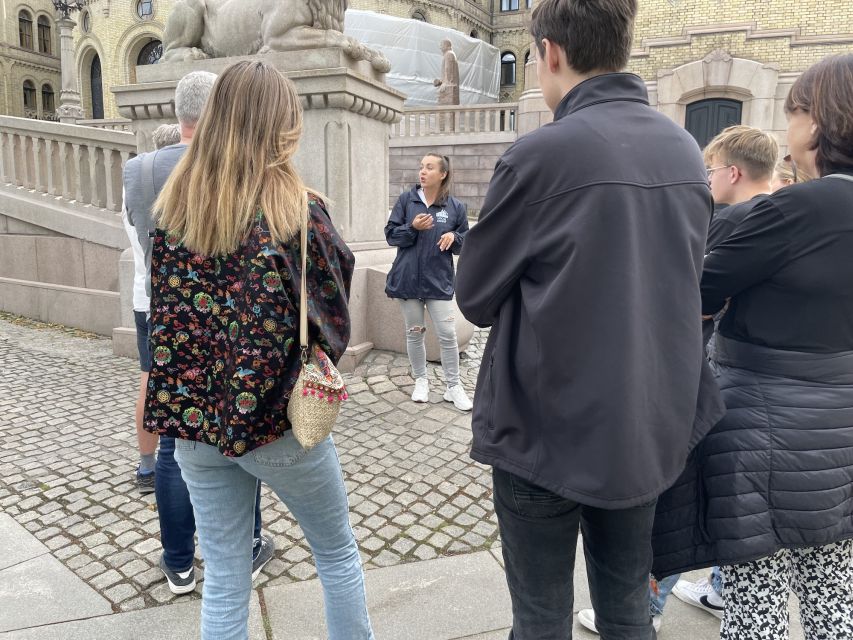
- Two distinct Oslo experiences: A guided walk through central Oslo followed by a two-hour fjord sightseeing cruise.
- Starts at University Aula: Meet at Karl Johan Street 47 near the statue of P.A. Munch by the entrance, with departures listed at 10:00 AM.
- Small group of up to 10: This is a more personal format than a large city walk.
- A useful mix of old and new: See the Parliament, Grand Hotel, and Christiania alongside the Opera House and Munch Museum.
- Open-top boat views: The cruise focuses on islands, narrow channels, summer homes, beaches, museums, and Oslo’s changing shoreline.
- Good value for a first visit: At $82 per person, the price covers four hours of guided sightseeing, two separate activities, and an English sightseeing app.
Starting at University Aula on Karl Johan Street
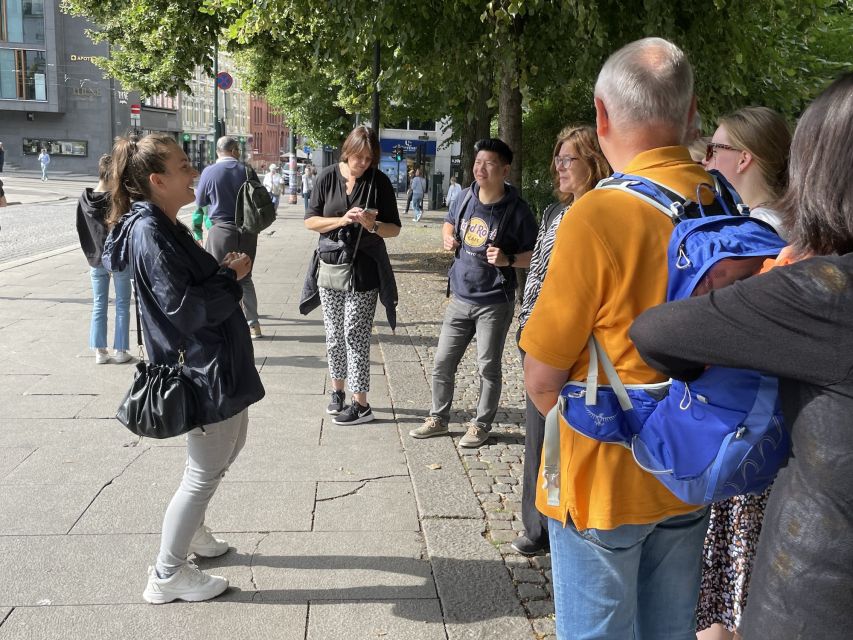
Your meeting point is University Aula, at Karl Johan Street 47. Look for the entrance near the statue of P.A. Munch. This central location is important because the walk begins in the middle of Oslo’s civic and cultural district, rather than at a distant bus stop or harbor terminal.
The listed departure time is 10:00 AM, though you should check availability when booking because starting times can vary. Arrive with a charged smartphone, comfortable shoes, and an umbrella. Oslo weather can change quickly, and the boat portion is particularly exposed.
The small group size, limited to 10 participants, is one of the strongest practical features. A guide can usually point out details without shouting over a crowd, and you have a better chance to ask about the city’s past, architecture, and daily life. The tour is conducted in English, and an audio app is also available in English, Spanish, French, Italian, and German.
More Fjord Cruises in Oslo
- Oslo: Scenic Fjord Cruise with Audio Guide Commentary
★ 4.5 · 5,375 reviews - Oslo: Fjord Evening Cruise with Shrimp Buffet
★ 4.5 · 1,956 reviews - Oslo: Guided Sightseeing Fjord Cruise on Premium Silent Boat
★ 4.7 · 1,390 reviews
Karl Johan, Parliament, and the Grand Hotel
The first part takes you through Oslo’s central streets and 19th-century architecture. Karl Johan street is the city’s main ceremonial route, and it gives you a quick sense of how Oslo brings together government, hotels, shops, public buildings, and everyday city life.
The Norwegian Parliament is an early highlight. It is more than a photo stop. The building represents Norway’s democratic system, and the guide helps place it within the city’s political center. Nearby, the Grand Hotel adds a different note, with its long connection to Oslo’s public and cultural life.
I like this opening because it helps you get your bearings. Instead of being dropped into isolated monuments, you see how several important buildings relate to one another along the same central route. If this is your first few hours in Oslo, that orientation can make the rest of your stay easier.
The walk also introduces Oslo’s nickname, the Tiger City. That detail gives the city a bit of personality and keeps the tour from becoming a simple parade of building names. Ask the guide to explain the story behind the nickname, since it is one of the more memorable pieces of local character included in the route.
Christiania and Oslo’s changing name
The walk continues into Christiania, the historic core of Oslo. The name reflects an earlier period in the city’s story, and the guide explains why the city was called Christiania before later returning to the name Oslo.
This stop is useful because it shows that city identity is not fixed. Streets and buildings may look calm today, but names preserve older political decisions and periods of change. You get a small lesson in how Oslo developed rather than only a list of dates.
The route is still primarily an outdoor walking experience. Do not expect long interior visits or extended museum time. The value here comes from the guide’s explanations as you move through the city, so stay close enough to hear clearly and wear shoes that can handle two hours on foot.
The Opera House and Oslo’s modern face
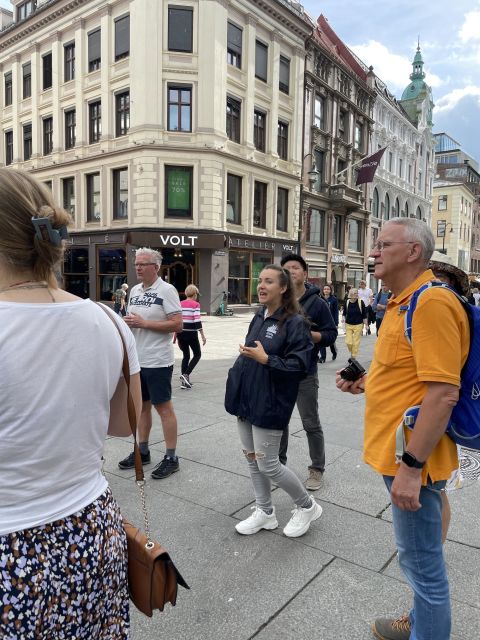
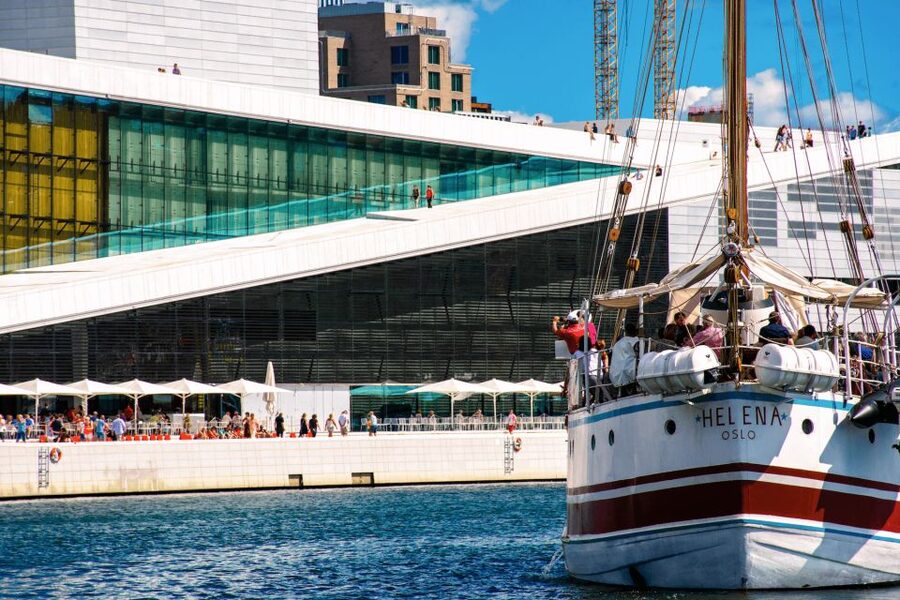
The Norwegian Opera House provides a sharp change in mood. Its award-winning architecture is one of Oslo’s defining modern sights, and the building’s location by the water lets you appreciate it from several angles.
The Opera House is home to The Norwegian National Opera and Ballet. From the walking route, you can see how the building adds a modern cultural focus to the central waterfront. Later, the boat gives you another view from the water, which makes this pairing especially effective.
The route also includes shoreline views of the Munch Museum. The museum is another major modern presence on Oslo’s waterfront, and seeing it from outside helps connect the city’s art scene with its wider redevelopment around the harbor.
I like this section because the tour does not treat Oslo as only an old European capital. Its identity also comes from newer buildings, public spaces, and cultural institutions. You get both sides without needing to plan separate walks across the city.
More Walking Tours in Oslo
- Oslo: Best of Oslo Walking Tour
★ 4.5 · 458 reviews - Oslo: Guided Walking Tour of Central Oslo
★ 4.7 · 438 reviews - Oslo: Historic Myths & Legends Evening Walking Tour
★ 4.8 · 408 reviews - Taste of Oslo Walking Tour
★ 4.5 · 282 reviews
City Hall and the Nobel Peace Prize
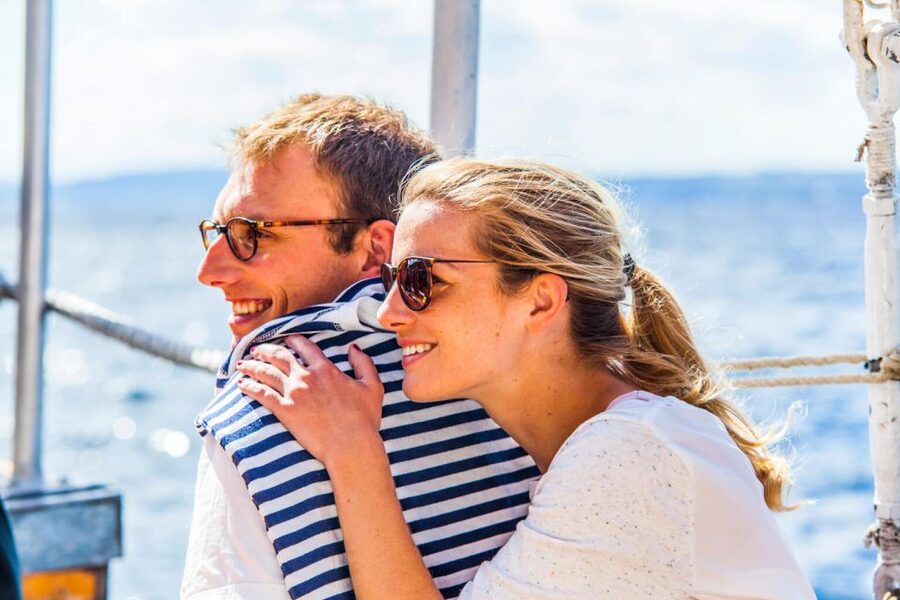
The walking tour ends at City Hall, where the Nobel Peace Prize ceremony takes place. This is one of the most meaningful stops on the route because it connects a familiar public building with an event known around the world.
The guide can explain the significance of the ceremony and the role City Hall plays in Oslo’s public life. Even if you do not spend much time inside, the setting gives the walk a strong finish. You have moved from national government and royal-era hotels to modern culture and international diplomacy.
The end of the walk also provides a natural transition to the cruise. Since the full activity ends back at the meeting point, check the day’s exact arrangements with the operator if you need to coordinate another reservation afterward. The provided schedule describes a walking tour followed by the cruise, but the exact transfer details are worth confirming before you set a tight timetable.
From city streets to the Oslofjord
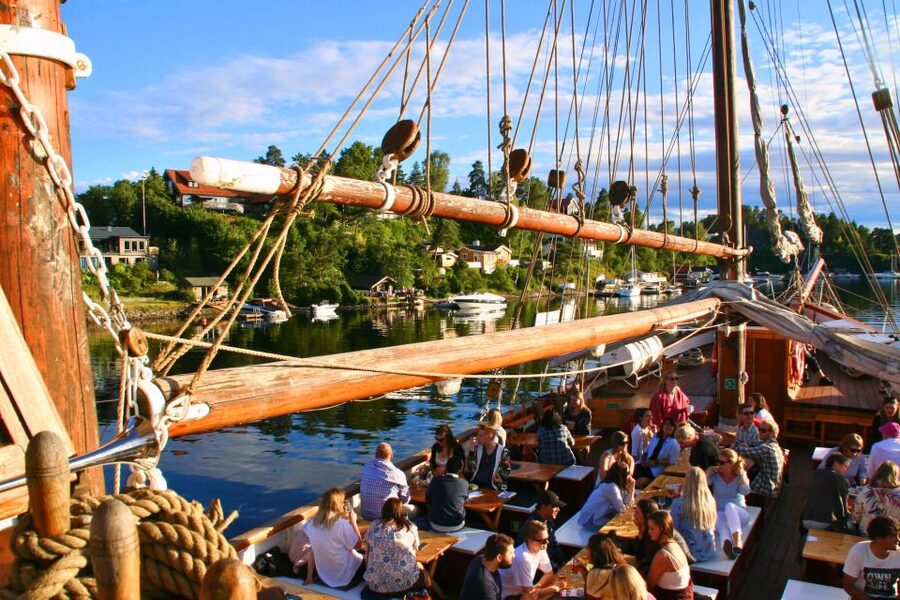
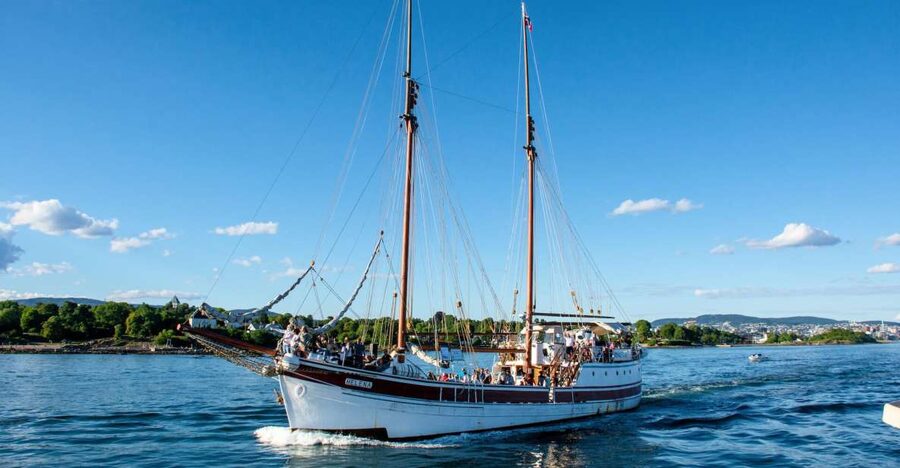
The second half lasts two hours and takes place on a historic sightseeing vessel. The boat travels through slender straits, small bays, and channels between islands. An open-top vessel gives you a broad view, though it also means you should be ready for wind and rain.
The fjord cruise is not a high-speed ride designed to cover huge distances. Its appeal is the changing view. You pass peaceful coves, islands, summer homes, and narrow stretches of water where Oslo feels far less like a capital city.
Hovedøya is one of the islands included in the route. Dyna Lighthouse is another visual marker, standing out as the boat moves through the fjord. These sights give you good photo subjects, but the real pleasure comes from seeing the city from different angles as the boat turns through the waterways.
I would keep your camera ready, but do not spend the full cruise looking through a screen. The views change gradually, and the open water, small islands, and quiet inlets are the point. The boat gives you a slower way to understand Oslo’s setting than you can get from a street walk.
Bygdøy, Huk Beach, and the museum shoreline
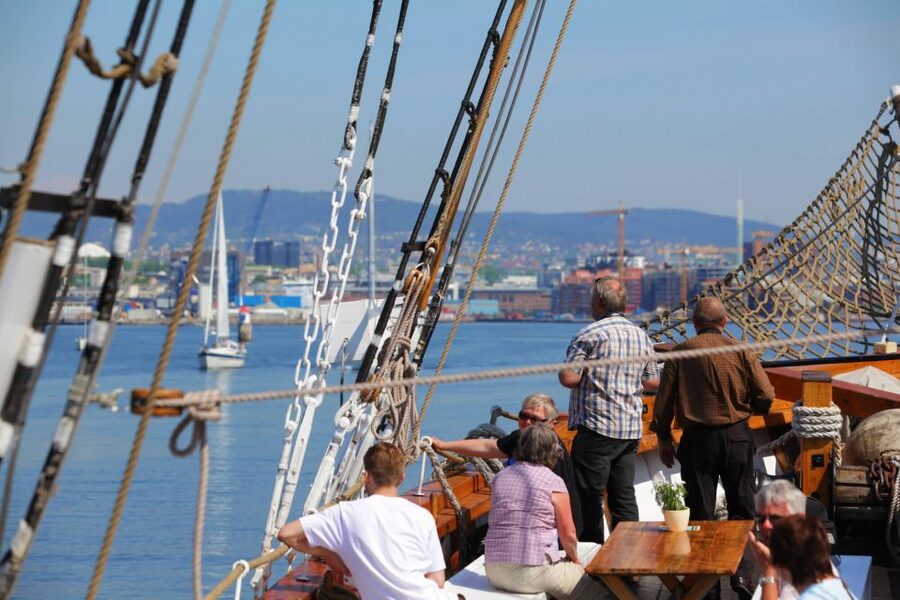
As the boat approaches the Bygdøy peninsula, the scenery shifts again. Bygdøy is associated with museums and beaches, including Huk beach. From the water, you can see a more recreational side of Oslo, one that is easy to miss if you stay only around Karl Johan and City Hall.
The Maritime Museum is visible from the shoreline, with vintage sailing ships anchored nearby. The Fram Museum is another major sight in this area. It displays the famous polar exploration vessel Fram, giving the cruise a connection to Norway’s seafaring and exploration story.
These are shoreline views rather than full museum visits. That distinction matters. If you want to explore the Fram Museum or Maritime Museum inside, you will need to return separately with more time. This cruise works best as an overview and a way to decide which Bygdøy sights deserve a later visit.
The boat also offers another look at the Opera House. Seeing it from the fjord changes its shape and scale, and it ties the boat section back to the walking route. The Munch Museum and City Hall are also part of the broader shoreline view, so the cruise helps connect the central city sights into one visual picture.
What the $82 price gives you
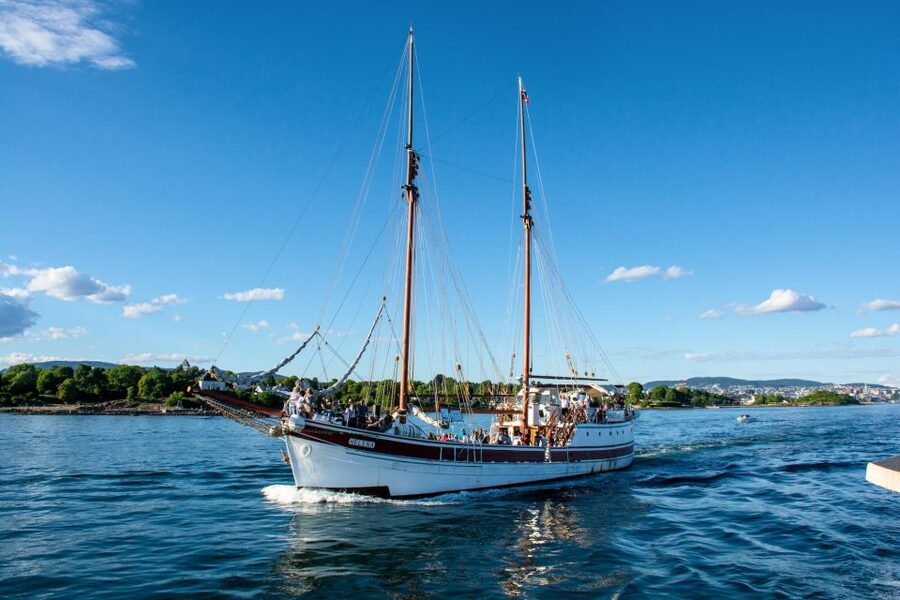
At $82 per person, this is not the lowest-cost way to see Oslo. The value depends on how much you would otherwise spend arranging the two parts yourself.
You receive a two-hour guided walk, a two-hour fjord sightseeing cruise, a small group capped at 10, and a sightseeing mobile app. For a first visit, combining these activities can save planning time and provide a clear introduction to both central Oslo and the fjord.
The price makes the most sense if you want structure. You do not need to choose a separate city walk, find a suitable cruise, and fit both into the same day. You also get a live English guide for the walking portion, which adds context that a self-guided route may not provide.
The value is weaker if you prefer long museum visits, independent wandering, or a slow lunch between activities. The itinerary moves at a set pace, and the four-hour length leaves little room for detours. It is best seen as a strong orientation tour, not a complete Oslo program.
The current score is 4.2 from 24 reviews, which suggests a generally positive experience with some room for variation. One especially favorable comment praised guide Csilla for being helpful and well informed, and also liked the boat’s range of sights and onboard variety. That is useful guidance: the walking guide can make a real difference, while the cruise succeeds through the number of different views rather than one single dramatic attraction.
Who will get the most from this tour
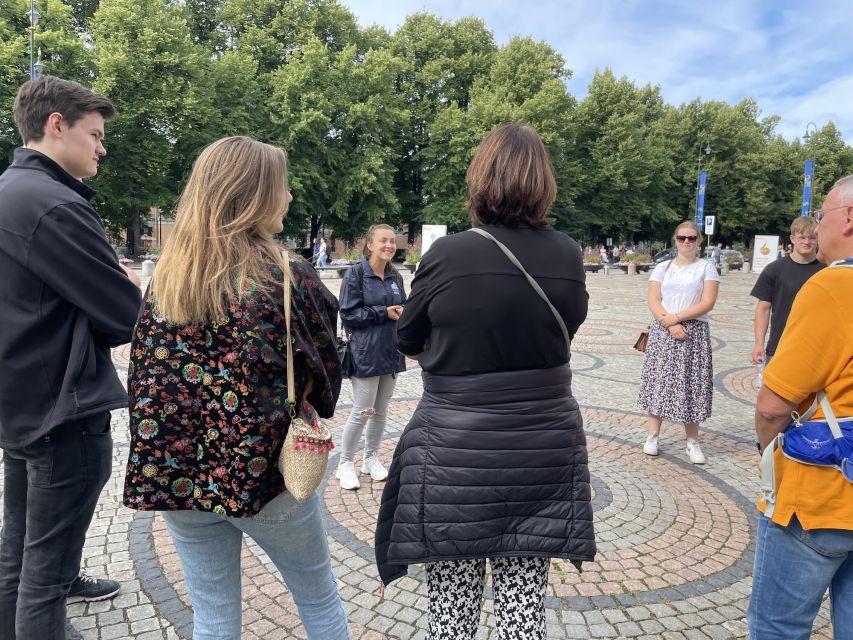
I would recommend this experience to first-time visitors who want a quick, organized introduction to Oslo. It suits couples, solo visitors, and small family groups who enjoy walking but also want a relaxing break on the water.
It is also a good choice if you have only one free morning or afternoon. Four hours gives you a clear overview without taking the entire day. You can use what you learn to choose later visits, such as a return to Bygdøy’s museums or a longer look at the Opera House and Munch Museum.
The tour may be less suitable if you have limited walking stamina, although it is listed as wheelchair accessible. The two-hour street portion still requires sustained movement, and the boat may involve conditions that feel less comfortable in poor weather. Ask about the exact boarding and transfer arrangements if accessibility details are important for your group.
Bring your phone fully charged for the app, and pack an umbrella. Comfortable shoes are essential. The open-top boat can be cool or wet even when the city streets feel pleasant, so a light waterproof layer is sensible, though the supplied information specifically lists an umbrella.
Book it or choose something else?
Book this tour if you want one efficient introduction to Oslo’s streets and fjord. The strongest reason to choose it is the balance: Parliament, Karl Johan, Christiania, City Hall, and the Opera House on foot, followed by islands, lighthouses, beaches, museums, and waterfront architecture by boat.
Skip it if your priority is entering museums, spending longer at individual landmarks, or exploring at your own speed. At $82, the tour earns its price through convenience, the small group, and the two-hour cruise. It is a practical first look at Oslo, especially when you want the city and its natural setting in the same half-day.
FAQ
How long does the Oslo walking tour and cruise last?
The full experience lasts four hours. It includes a two-hour Best of Oslo walking tour and a two-hour fjords sightseeing cruise.
Where does the tour begin?
Meet at University Aula, Karl Johan Street 47, near the statue of P.A. Munch by the entrance. Listed departures begin at 10:00 AM, but you should check availability for the date and time you want.
What language is the live tour conducted in?
The live guide speaks English. The complimentary sightseeing mobile app is available in English, Spanish, French, Italian, and German.
How many people are in the walking group?
The experience is listed as a small-group tour with a maximum of 10 participants.
Is the experience wheelchair accessible?
Yes, the activity is listed as wheelchair accessible.
What should I bring?
Bring a charged smartphone, comfortable shoes, and an umbrella. The cruise takes place on an open-top vessel, so weather preparation is useful.
Just added in Oslo
- Oslo Winter Highlights Bike Tour★ 5.0 · 36 reviews
- 4 hours Best View of the Oslofjord Winter Edition★ 4.0 · 15 reviews
- The Ultimate Study of the Human Form at Vigeland’s Sculpture Park with a Local★ 4.0 · 14 reviews
- Unknown war. Oslo and Norway during 1940-45★ 5.0 · 74 reviews
- Top of Oslo Snowshoe Tour★ 5.0 · 2 reviews
- The Scenic Roadtrip, Oslo to Bergen via Flam & the Fjords★ 5.0 · 25 reviews
- The Viking Planet Museum – Mini Group (4 adults)★ 4.0 · 16 reviews
- The Oslo Beer Adventure★ 4.5 · 11 reviews
Fjord Cruises, compared.

Scenic Fjord Cruise to Lysefjord and Preikestolen
Read our review →
Scenic Fjord Cruise with Audio Guide Commentary
Read our review →
Tromsø’s Top-Rated Fjord & Fishing Cruise – All-Inclusive
Read our review →
Fjords and Sommarøy Islands Tour with Salmon Picnic
Read our review →

Dalsnibba, Flydalsjuvet, Eagle Bend & Fjords Tour
Read our review →
Arctic Fjord Cruise With Stop On Land At Fish Racks
Read our review →Browse the lists this tour appears in