
REVIEW · HIKING & TREKKING
Oslo: Skjennungstoppen Wildlife Forest Hiking Tour
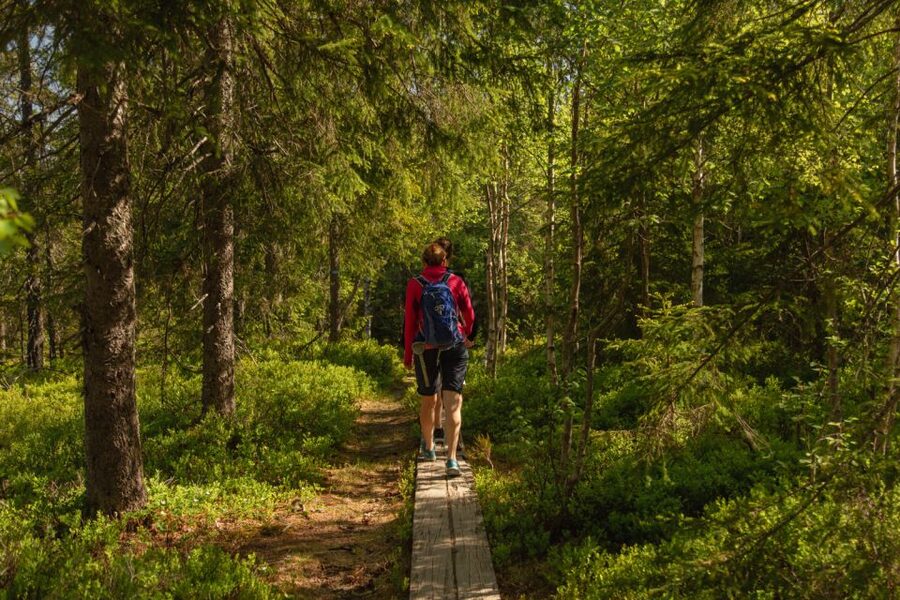
Oslo’s wild side starts just beyond the city. This six-hour outing carries you from Oslo Central Station into Nordmarka, a broad forest area where quiet trails, mountain views, traditional cabins, and possible wildlife sightings replace city streets. I like the easy train access and the chance to experience a real Norwegian friluftsliv, or outdoor life, without arranging transport yourself.
I also like the two cabin stops, where you can buy coffee, waffles, jam, sour cream, or Norway’s famous brown cheese. The main consideration is the hike itself: you cover about 12 kilometers, with roughly five hours on foot, uneven ground, and trails that may be wet after rain.
In This Review
- Key details that shape the day
- From Backstube Opera to the forest
- Frognerseteren opens the Nordmarka route
- Skjennungstoppen rewards the climb
- Coffee and waffles at Skjennungenstua
- The geographical center of Oslo
- Ullevålseter adds a second cabin break
- Through Nordmarka toward Sognsvann Lake
- Returning by public transport
- Is $298 a fair price?
- Who should book this forest hike?
- Practical advice before you go
- Should you book the Skjennungstoppen tour?
- FAQ
- How long does the Skjennungstoppen wildlife hike take?
- How far is the hike?
- Where does the tour begin?
- Is public transportation included?
- What wildlife might I see?
- What should I bring?
Key details that shape the day
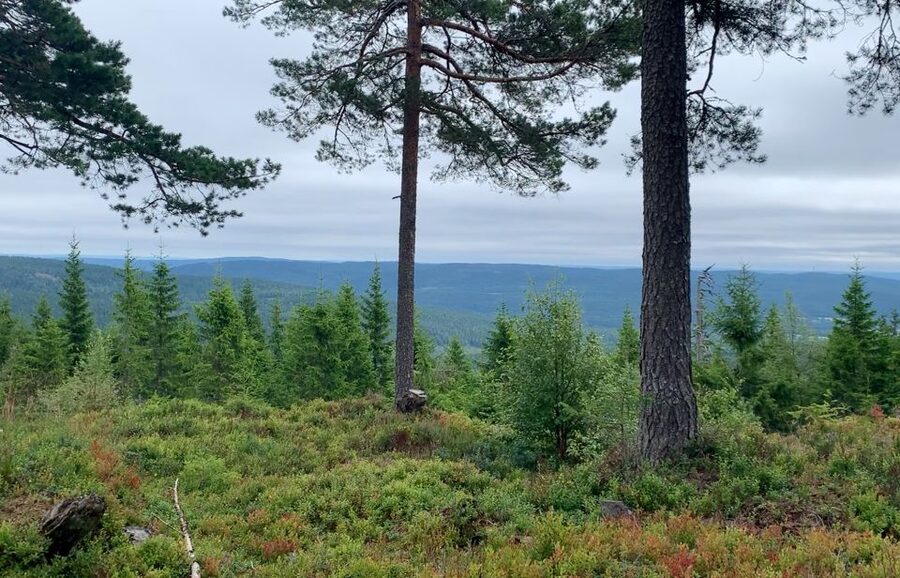
- Skjennungstoppen summit: The main reward is a high forest viewpoint with wide views over the surrounding Oslo area.
- Two traditional cabins: Skjennungenstua and Ullevålseter add a warm, distinctly Norwegian pause to the walk.
- Wildlife is possible, not promised: You might spot moose, deer, fox, beaver, hare, eagles, or hawks, but the forest does not run on a schedule.
- Public transport is part of the experience: A scenic 40-minute train ride takes you from central Oslo to Frognerseteren, and transport tickets are included.
- A point-to-point forest walk: The route finishes at Sognsvann Lake, then continues by public transport back toward central Oslo.
- Best for active visitors: This suits people comfortable with a long hike, uneven trails, and changing weather.
From Backstube Opera to the forest
Your guide meets you outside Backstube Opera, near Oslo Central Station. This is a practical starting point, especially if you are staying in central Oslo or arriving by train. Look for the guide in front of the café rather than inside it.
The first part of the outing is not a walk through Oslo. It is a 40-minute train ride toward Frognerseteren. The train climbs through the hills, giving you a pleasant transition from the city to the forest. That change matters. You do not spend half the morning navigating buses, transfers, or rural roads. The wilderness begins with a simple ride from the city center.
Public transportation tickets are included, which adds useful value to the $298 price. You are paying for the guide, route planning, local transport, and a full day of activity, not just a short walk with a meeting point in the woods.
The train ride also helps set the pace. You have time to meet the guide, ask questions, and prepare for the walk before reaching Frognerseteren. Bring your water bottle and put on your hiking shoes before you arrive. This is not the place to discover that your city sneakers have no grip.
More Hiking Tours in Oslo:
- Best View of the Oslofjord Hike
★ 5.0 · 71 reviews - Oslo: Scenic Forest Hike with Dog & Local Guide
★ 5.0 · 40 reviews - Oslo: Best View of the Oslofjord Hike
★ 4.8 · 21 reviews
Frognerseteren opens the Nordmarka route
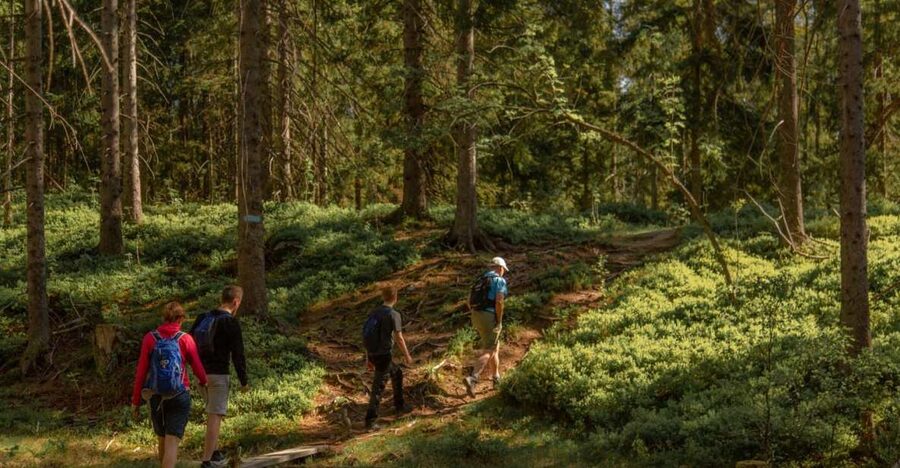
Frognerseteren is where the walking begins in earnest. From here, the path leads into Nordmarka, Oslo’s extensive forest recreation area. The setting is peaceful and green, with a mix of forest tracks, uneven ground, and quieter routes away from the city.
The first major walking section lasts about 105 minutes. You will have time for sightseeing, views, wildlife watching, and conversation with your guide. The route is described as challenging, but one person who took the tour solo found it manageable and praised the views. That is useful context: this is not presented as a technical mountain climb, but it is a serious half-day hike.
Your guide sets the pace and helps you notice details you might miss alone. In a large forest, the experience is not only about covering distance. It is also about knowing where to pause, how to read the trail, and where wildlife might appear.
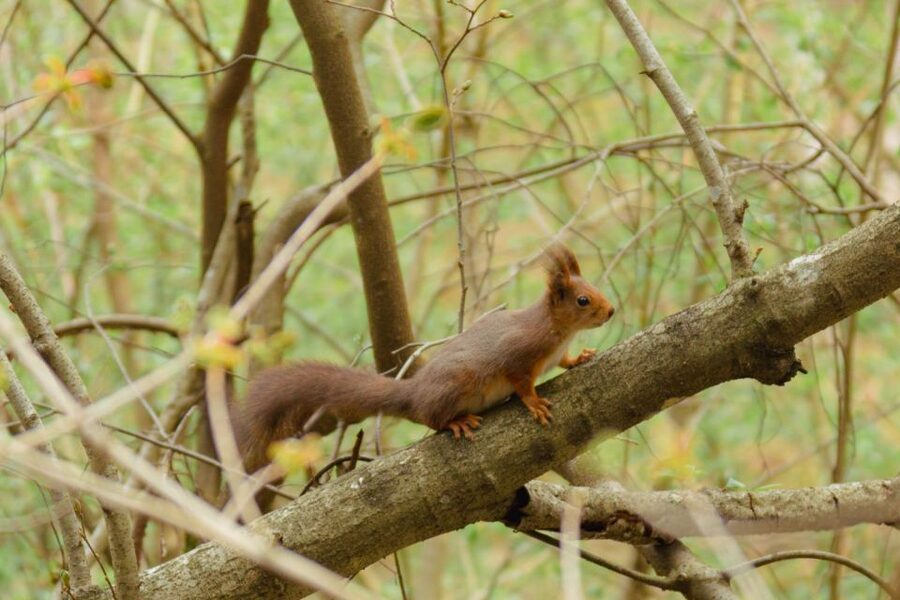
Keep your camera ready, but keep your expectations sensible. Moose, beaver, deer, fox, hare, eagle, and hawk are all possible in this part of the forest. Encounters cannot be guaranteed, and most animals are elusive. The pleasure comes partly from the possibility. Every bend in the path gives you a reason to look up from your feet.
Skjennungstoppen rewards the climb
The route continues toward Skjennungstoppen, the high point that gives the tour its name. Reaching the summit is the day’s main physical goal, and the views are the payoff for the climb.
Panoramic views from a forest summit can be especially welcome after several hours among trees. You get a sense of the size of Nordmarka and the distance between Oslo’s built-up center and its open recreational spaces. This is a different portrait of the city, one that locals use for walking, skiing, and time outdoors.
The summit section also gives the hike a clear shape. You start with the train, walk upward through the forest, reach a viewpoint, then continue through the woods toward the lake. That is more satisfying than a route that simply loops around without a strong destination.
Still, do not treat Skjennungstoppen as a casual stroll. The tour operator calls the route challenging, and the full walking distance is about 12 kilometers. Uneven ground can make the hike tiring even when the incline is moderate. Good hiking shoes or sturdy boots are a wise choice, especially if rain has passed through.
Coffee and waffles at Skjennungenstua
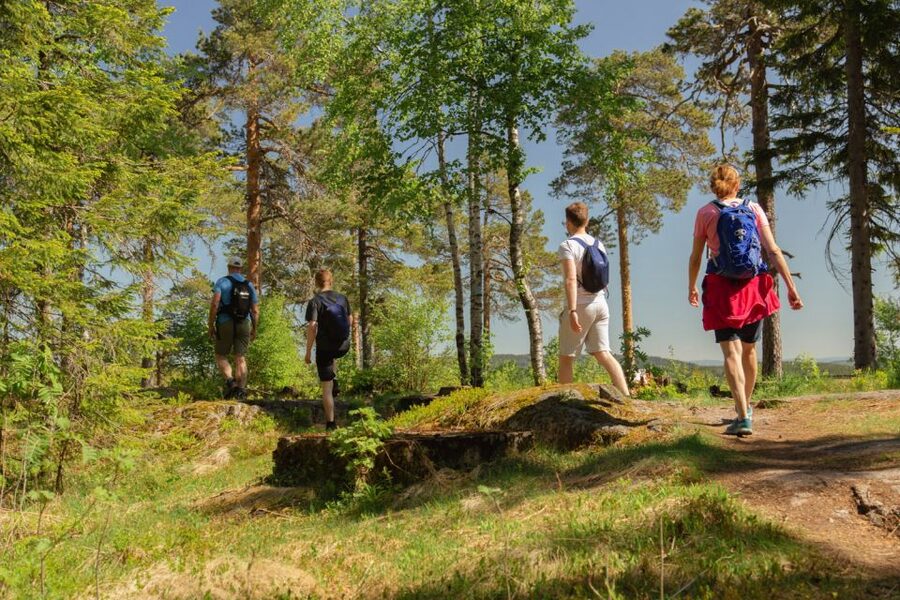
After the first major stretch, the group stops at Skjennungenstua for about 15 minutes. This is one of the most appealing parts of the day because it adds local life to the forest walk.
Norwegian cabins, known as hytter, are part of the country’s outdoor culture. They offer a simple place to rest, warm up, and enjoy familiar food in the middle of a wooded route. At Skjennungenstua, you might find coffee and fresh pastries, including waffles served with jam and sour cream or brown cheese.
That snack stop is not just a chance to sit down. It gives you a small taste of how outdoor recreation works in Norway. The forest is not treated as a remote wilderness that people visit once in a lifetime. It is part of ordinary life, with paths, cabins, food, and public transport linking it to Oslo.
Food and drinks are not included in the tour price, so bring money for anything you want at the cabins. A water bottle is also recommended. The breaks are short, around 15 minutes, so this is a quick refreshment stop rather than a long café visit.
More wildlife trips in Oslo:
- Wildlife Forest Hike
★ 5.0 · 11 reviews - Tromso Snowshoeing – Valley, Fjord Views, Wildlife, Meal & Pickup
★ 5.0 · 398 reviews - From Svolvaer: Trollfjorden Wildlife RIB Cruise
★ 4.8 · 355 reviews - Tromsø: Winter Sea Kayaking Tour with Wildlife Sightings
★ 4.9 · 333 reviews
The geographical center of Oslo
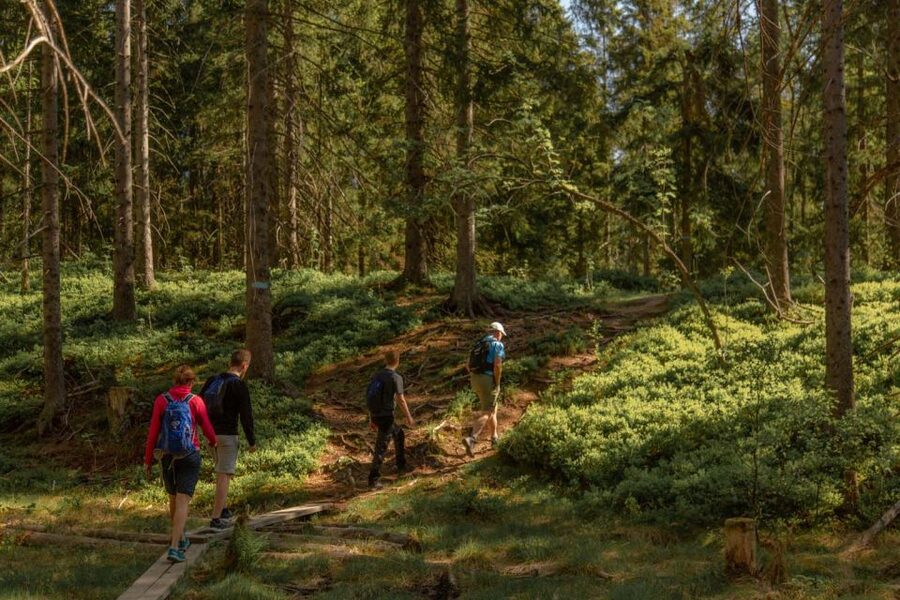
Somewhere within Nordmarka, the route pauses at the geographical center of Oslo. This is an unusual detail and one of the tour’s more memorable stops.
The point is hidden in the forest, which makes it more interesting than a standard city-center marker. You are not simply being shown a famous attraction. You are being taken to a place that most people would not find without local knowledge and a willingness to walk.
The stop also gives the day a nice bit of perspective. Oslo’s geographical center is not necessarily where you expect it to be if you only know the central station, waterfront, and main shopping streets. The forest is a major part of the municipality, and this point makes that fact tangible.
Because the exact stop is within the longer Nordmarka walking section, you should think of it as part of the route rather than a separate attraction with extensive sightseeing time. The value lies in the setting and the story your guide provides.
Ullevålseter adds a second cabin break
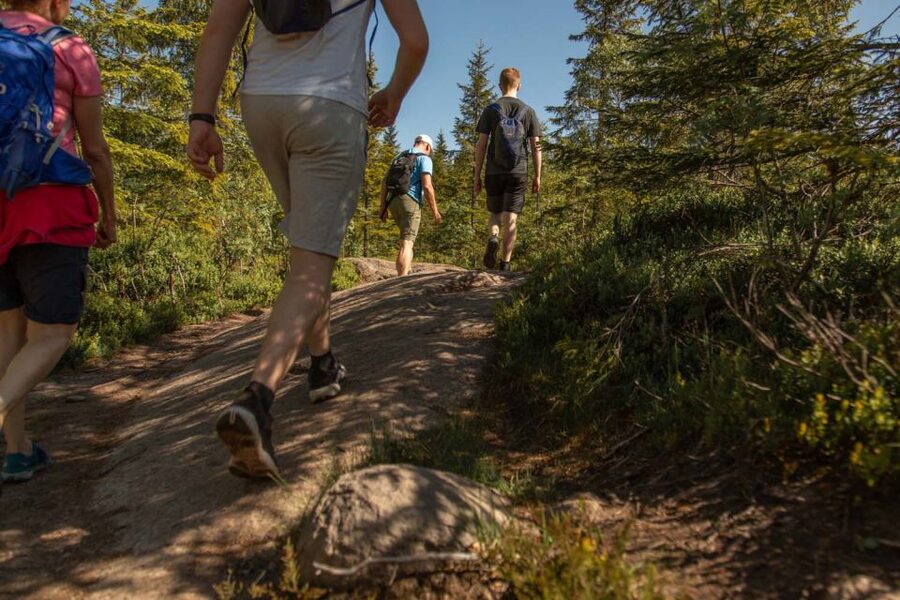
The next cabin stop is Ullevålseter, with another roughly 15-minute break and photo opportunity. Having two cabin visits helps break up the long hike and gives you two chances to enjoy the local hut culture.
You may find coffee, waffles, pastries, and traditional toppings here as well, though food and drink purchases remain your responsibility. If you prefer to pack your own snack, that is sensible. The tour information does not promise that every item will be available at every stop.
From a practical point of view, the second cabin is welcome. Five hours of trekking is a lot, particularly if the weather turns wet or the trail feels rough underfoot. A short pause lets you drink water, adjust layers, and check your footwear before the final stretch.
These stops also keep the day from becoming a silent endurance test. You get scenery and exercise, but also small moments of comfort and social time. That balance is one reason this tour may appeal to you more than an unstructured forest walk.
Through Nordmarka toward Sognsvann Lake
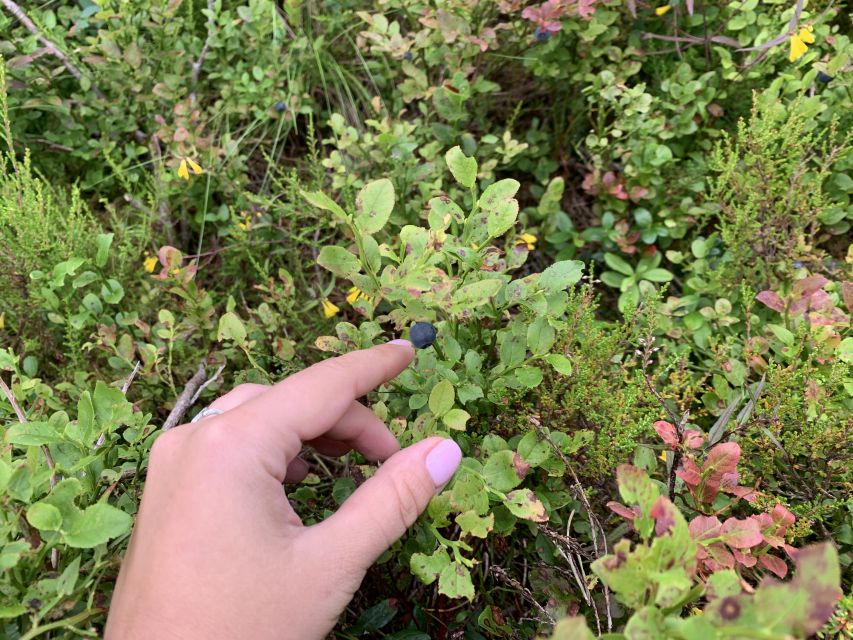
The route continues through Nordmarka for about an hour before heading toward Sognsvann Lake. The forest sections are where you are most likely to feel far from Oslo, even though the city remains close by.
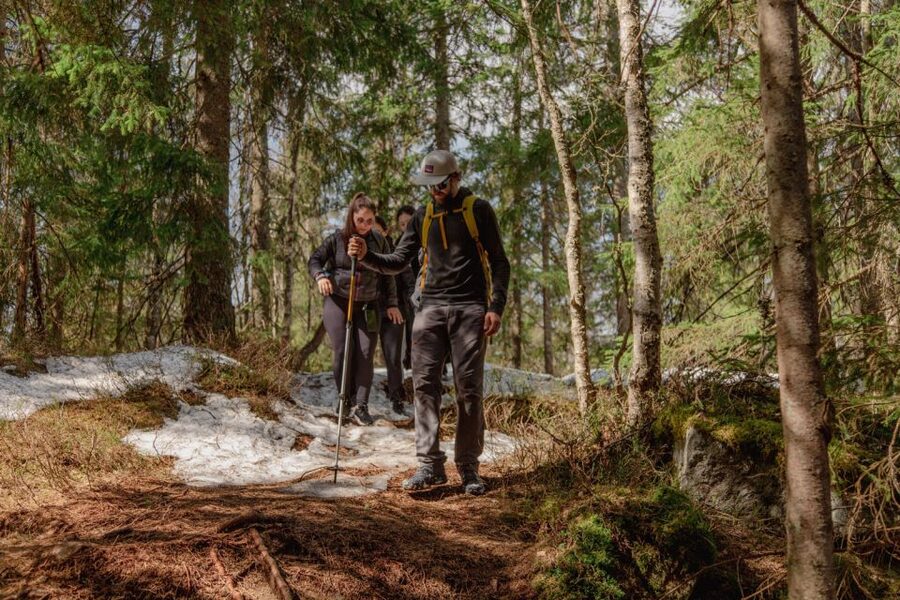
Wildlife watching works best here if you stay patient. Look along the trail edges and through clearings, but do not assume every movement is an animal. Moose and deer may be difficult to spot, while birds of prey can appear briefly overhead. The guide has seen wild animals along this route several times, but sightings remain a bonus rather than the purpose of the trip.
The path can be wet after rain. Sunblock and mosquito protection are recommended, which tells you something about the route’s conditions. You should dress for the outdoors, not for a café in central Oslo. Comfortable clothing, hiking shoes, and an extra layer are sensible choices, though the supplied information specifically requires comfortable clothes and shoes rather than a particular technical kit.
The final walking section around Sognsvann lasts about 90 minutes according to the schedule. The lake is a fitting finish. After hours in the forest, open water and a picturesque shoreline give you a change of scenery before the return journey.
One useful tip comes from a summer outing: you may want to pack swimwear if you hope to take a dip at Sognsvann. Swimming is not listed as an included activity, so treat it as an optional personal choice, not a planned part of the guided program.
Returning by public transport

At Sognsvann Lake, the walking portion ends and you take public transport back toward Oslo. The listed return train or metro segment takes about 30 minutes. The schedule describes the activity as ending back at the original meeting point near Backstube Opera, while the route details identify Jernbanetorget as the final central stop.
This return arrangement is useful because you do not have to retrace the trail. The tour is point to point, moving from Frognerseteren through the forest to Sognsvann. That gives you more variety than a simple out-and-back walk.
The full activity lasts six hours, including about one hour on public transport and about five hours trekking. Starting times vary, so check availability before booking. A morning departure would leave more of the day afterward, while a later start could fit better around a slow Oslo breakfast. The exact timing matters because six hours outdoors can feel longer if you have evening plans.
Is $298 a fair price?
At $298 per person, this is an expensive half-day outing. You could reach Nordmarka by public transport on your own for far less. If your goal is simply to walk beside a lake or follow a marked forest path, self-guiding will save money.
The price makes more sense if you value guidance and convenience. You receive an English-speaking local guide, public transportation tickets, a planned 12-kilometer route, wildlife awareness, cabin stops, and the local context around Skjennungstoppen and Oslo’s geographical center.
The tour can also be good value for a solo visitor. One solo participant had a particularly welcoming outing, with the company owner leading the hike because the weather was so good. That guide also offered practical suggestions and directions for other things to do in Oslo. You should not assume the owner will lead every departure, but the example suggests that the experience can feel personal rather than anonymous.
My view is simple: the price is hard to justify for budget-minded hikers, but easier to defend if you have limited time, want a local guide, and would rather not manage the transport or route yourself. The included tickets remove a small task, while the guide adds the most important value.
Who should book this forest hike?
I would recommend it to active adults and older children who are comfortable walking for several hours. Children under five are not permitted, and the tour is not suitable for people with mobility impairments or limited mobility.
You should be happy with a day that is more about walking than sightseeing in the usual city sense. There are no museums, grand buildings, or long meals. Instead, you get forest paths, a summit, cabin food, possible wildlife, and a lake.
This is also a good choice if you want to add a genuine outdoor day to an Oslo visit. The train ride makes the forest easy to reach, but the route itself feels far removed from city life. You can finish the day with a better understanding of why Norwegians make such strong use of their nearby woods.
I would think twice if you dislike wet trails, uneven ground, mosquitoes, or uncertain wildlife sightings. You should also avoid booking it if you want a gentle walk. The tour description is clear that the hike is challenging, even though one solo hiker found the route not too difficult.
Practical advice before you go
Wear hiking shoes or sturdy boots with good grip. The ground may be uneven, and rain can leave sections of trail wet.
Bring a full bottle of water, sunblock, and mosquito protection. Pack a snack if you do not want to buy food at the cabins, and carry money for coffee, waffles, or pastries.
Keep your camera accessible, but do not let wildlife expectations control the day. You may see nothing larger than a bird, or you may get a brief glimpse of a deer or fox. The forest experience remains worthwhile without a dramatic animal sighting.
If you visit in summer, consider swimwear for Sognsvann Lake. Also leave room in your schedule after the tour. Six hours includes transport, and a long walk can be tiring even when the route is enjoyable.
You can cancel up to 24 hours in advance for a full refund, and the reserve-now, pay-later option keeps your plans flexible. Those terms are useful if the Oslo weather forecast looks uncertain, though you should still check the operator’s current conditions before setting out.
Should you book the Skjennungstoppen tour?
Book it if you want an active, guided day in Oslo’s forest and value a planned route over the lowest possible price. The best parts are the scenic train ride, the Skjennungstoppen viewpoint, the two traditional cabins, and the chance to see Nordmarka as a real part of Norwegian daily life.
Skip it if you want an easy walk, guaranteed wildlife, or a cheap way to reach the woods. For the right person, this is a rewarding change from Oslo’s central sights. Just bring proper shoes, water, and realistic expectations about the 12 kilometers ahead.
FAQ
How long does the Skjennungstoppen wildlife hike take?
The activity lasts six hours, including about one hour of public transportation and about five hours of trekking.
How far is the hike?
The walking distance is approximately 12 kilometers.
Where does the tour begin?
Your guide meets you outside Backstube Opera café, near Oslo Central Station.
Is public transportation included?
Yes. Public transportation tickets for the train and return journey are included.
What wildlife might I see?
Possible sightings include moose, beaver, deer, fox, hare, eagle, and hawk. Wildlife encounters are not guaranteed.
What should I bring?
Bring comfortable clothing, hiking shoes or similar footwear, and a bottle of water. Sunblock and mosquito protection are also recommended.
Just added in Oslo
- Oslo Winter Highlights Bike Tour★ 5.0 · 36 reviews
- 4 hours Best View of the Oslofjord Winter Edition★ 4.0 · 15 reviews
- The Ultimate Study of the Human Form at Vigeland’s Sculpture Park with a Local★ 4.0 · 14 reviews
- Unknown war. Oslo and Norway during 1940-45★ 5.0 · 74 reviews
- Top of Oslo Snowshoe Tour★ 5.0 · 2 reviews
- The Scenic Roadtrip, Oslo to Bergen via Flam & the Fjords★ 5.0 · 25 reviews
- The Viking Planet Museum – Mini Group (4 adults)★ 4.0 · 16 reviews
- The Oslo Beer Adventure★ 4.5 · 11 reviews
Hiking & Trekking, compared.
Guided Husky Snowshoe Hike and Husky Camp Visit
Read our review →
Preikestolen (Pulpit Rock) Hike with Local Guide
Read our review →
Browse the lists this tour appears in